
Think that itchy or flushed skin after a supplement is always harmless? Pre-workout side effects on skin can be easy to dismiss, especially when the feeling starts during or after exercise.
You may blame sweat, heat, or a hard session and keep using the same product. That can make it harder to notice when your body is reacting badly.
Skin changes are often the first thing you see, so ignoring them can leave you unsure about what is normal and what is not.
If a reaction keeps coming back, brushing it off may not be the safest choice for you.
What Causes Pre-Workout Side Effects on Skin?
Skin reactions usually come from certain ingredients in a pre-workout formula, not from the supplement category as a whole. What keeps skin healthy in general also plays a role in how strongly your skin reacts when something irritating hits it.
Specific ingredients
A pre-workout can contain many compounds, and each one may affect the body differently, so reactions often depend on the formula used and your personal sensitivity.
Beta-alanine
This common ingredient can cause tingling, prickling, mild burning, or itching, often on the face, neck, hands, and upper body after a larger serving.
Niacin
Some pre-workout products contain niacin, which can make the skin look red and feel warm, itchy, or flushed for a short time after the supplement is used.
Caffeine and stimulants
These ingredients may not cause the same skin sensations, but they can increase sweating, warmth, jitters, and a racing heartbeat, especially in sensitive users or at higher doses.
Added ingredients
Flavors, colors, herbs, sweeteners, and other extras may trigger irritation or an allergic response in people who are sensitive to certain substances inside the product’s formula.
Common Pre Workout Side Effects on Skin

Some skin reactions are mild and short-lived, while others may feel uncomfortable enough to make a workout harder than expected.
1. Tingling or Pins-and-Needles Feeling
Beta-alanine is a common cause of this sensation. It can feel like tiny pricks or pins moving across the face, neck, arms, or hands.
The feeling often begins soon after taking a serving. In many cases, it fades as the body processes the ingredient and does not leave lasting skin changes.
2. Itchy Skin
Itching may happen along with tingling, especially when beta-alanine or niacin is present in the formula. The skin can feel irritated even when no rash appears.
Mild itching may fade fairly quickly, but strong itching that keeps returning or comes with hives or swelling can signal a more serious reaction.
3. Warm or Burning Feeling
Some ingredients can make the skin feel unusually warm or slightly burning after a pre-workout is taken.
Niacin is often linked with this response because it can increase blood flow near the skin. The feeling is commonly noticed around the face, neck, or chest and may appear with visible redness.
4. Redness and Flushing
Redness or flushing can happen when small blood vessels near the skin widen. This may make the face, neck, or chest look noticeably red and feel warm.
Niacin is a common cause in some products. Mild flushing often passes, but redness with hives, swelling, or breathing trouble needs medical attention.
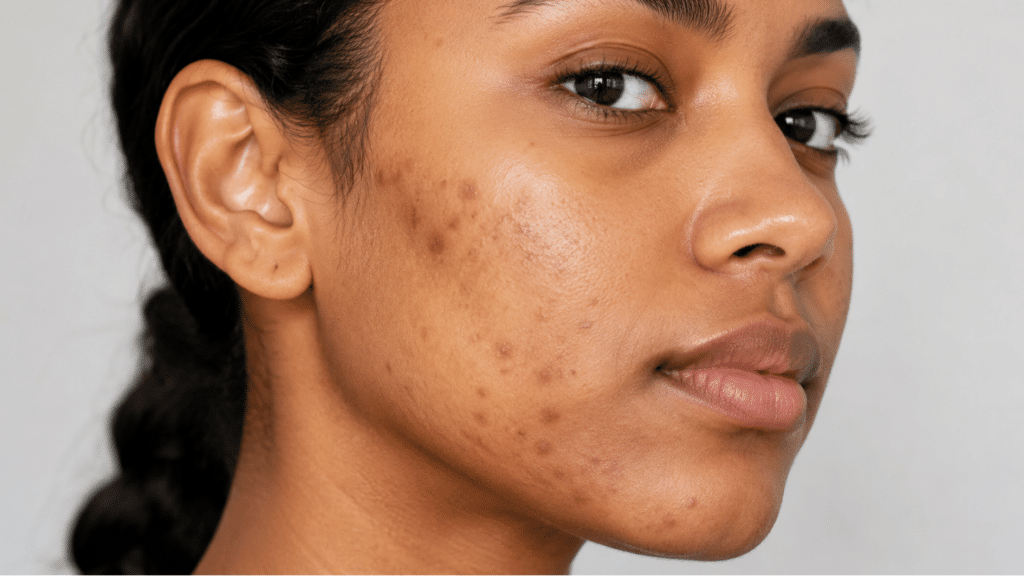
5. Acne or New Breakouts
Acne is often overlooked when people think about pre-workout reactions. Some formulas contain BCAAs, arginine, or other ingredients that may affect hormones and oil production in certain people.
Breakouts can appear along the jawline, chest, shoulders, or back a few days later, which can make the connection with the supplement easy to miss.
It’s not just pre-workout, either; creatine gets blamed for breakouts just as often, and whey protein has its own reputation for causing acne, so it’s worth looking at your whole supplement stack, not just the pre-workout tub.
When Skin Symptoms May Be Serious
Some skin reactions can signal more than a mild response to pre-workout ingredients. Paying attention to other symptoms at the same time is important.
- Hives with swelling can point to an allergic reaction, especially when the swelling spreads quickly.
- Swelling of the lips, tongue, face, or throat may affect breathing and needs urgent medical care.
- A rash with wheezing, shortness of breath, or chest tightness should be treated as a serious warning sign.
- Severe, painful, spreading, or prolonged skin reactions should not be ignored.
- Yellowing of the skin or eyes can be linked with liver problems and should be checked by a medical professional.
If any of these symptoms appear, stop using the product and seek medical help as soon as possible.
Other Common Causes of Pre-Workout

Your skin isn’t the only thing that can react. Pre-workout can affect your whole body too, and it helps to know what’s normal and what’s not.
- Jitters: Caffeine can make you feel shaky, especially if you’re new to it or take too much
- Fast Heartbeat: Stimulants can speed up your heart rate and raise your blood pressure
- Upset Stomach: Pre-workout can alsocause nausea, cramps, or bloating if you take it on an empty stomach
- Headaches: Some people get headaches, often from caffeine or dehydration,
- Dizziness: Feeling dizzy can happen if your blood pressure spikes or you haven’t had enough water
- Trouble Sleeping: Taking pre-workout too late in the day can keep you wired and make it hard to fall asleep at night.
What to Do if Pre-Workout is Affecting the Skin
Start by checking the ingredient label and serving size. This can help show which ingredient may be causing the reaction and if too much was taken.
Do not take another serving right away, as this may make the symptoms stronger. Mild tingling or flushing often fades with time, especially when linked to beta-alanine or niacin.
Supporting your skin from the inside with gut-friendly probiotics for skin health can also make it more resilient to this kind of irritation.
Rest, stay cool, and watch how the skin feels. If the reaction keeps returning, becomes uncomfortable, or lasts longer than expected, stop using the product.
It also makes sense to stop if a new formula causes symptoms that were not there before.
When to See a Dermatologist
Most pre-workout skin reactions are harmless and clear up on their own. But every once in a while, your skin is trying to tell you something, and that’s when it’s time to stop guessing and get a professional opinion.
Here’s what to look for:
- Acne that keeps coming back every time you use it
- A rash or hives that won’t go away in a few hours
- Painful, swollen bumps that leave marks
- Signs of infection, like pus, warmth, or fever
- Swelling of the face or lips with trouble breathing
If breakouts specifically are the recurring issue, dealing with stubborn forehead acne often takes a different approach than treating a body rash
Wrapping It Up
A pre-workout supplement can affect each person differently, so paying attention to how the body responds matters.
No product should make exercise feel harder or leave someone unsure about what is happening. Understanding pre-workout side effects on skin can make it easier to judge when a supplement may not be a good fit.
A simple approach is to treat any unusual response with care instead of brushing it aside.
Choosing products with clear labels and using them as directed can also reduce uncertainty. The goal is to support training without creating new problems along the way.
Frequently Asked Questions
Can Taking Pre-Workout with Food Change Skin Reactions?
It can in some cases. Taking niacin with food may reduce flushing linked with nicotinic acid. The effect can still vary by dose and formula, so food does not guarantee that a skin reaction will disappear.
Can a Skin Reaction Start After Using the Same Pre-Workout for a While?
Yes. Supplement reactions do not always happen with the first serving. The FDA notes that unwanted effects may appear right away or sometime later, so a new reaction should still be taken seriously.
Will a Stimulant-Free Pre-Workout Prevent Skin Reactions?
Not always. A stimulant-free formula may still contain beta-alanine, niacin, or other ingredients linked with skin sensations. Checking the full ingredient list matters more than relying only on a “stimulant-free” label.