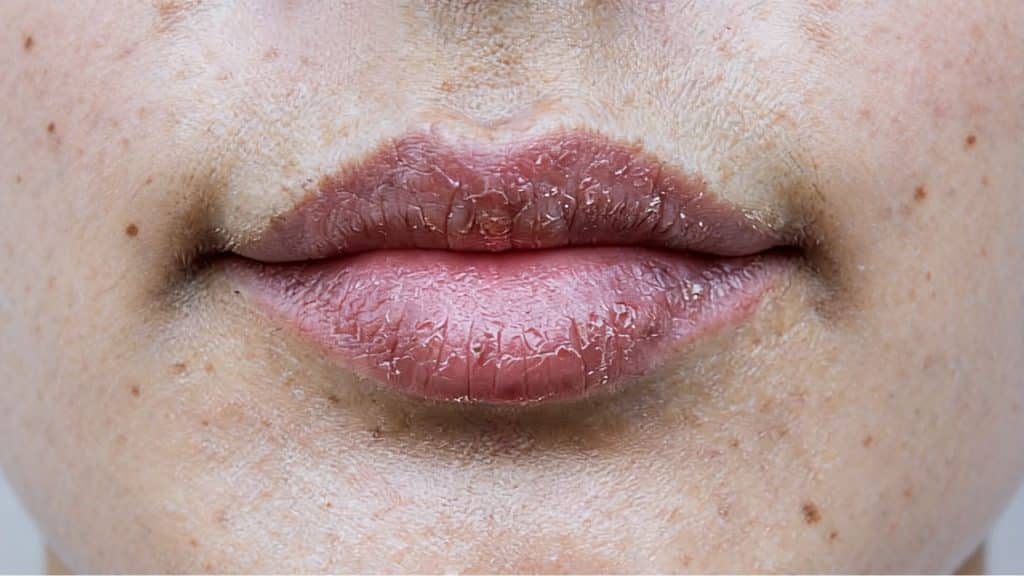

Does creatine cause acne, or is the timing just making it look guilty? You may start taking creatine, notice a few new spots, and quickly blame the supplement.
That reaction makes sense, especially when your skin was clear before. Acne can affect how you feel about your face, your workouts, and even your confidence.
The problem is that timing alone does not prove a cause. Your skin can change for many reasons at the same time.
If you judge creatine only by what happened right after you started it, you may end up blaming the wrong thing.
Does Creatine Cause Acne According to Research?
Current research does not show that creatine directly causes acne. Acne is also not listed as a well-established side effect in major reviews of creatine safety.
Some concern comes from a small 2009 study that found higher DHT levels in 20 rugby players taking creatine. However, the study measured hormones, not acne or changes in the skin.
Research is still limited because few studies have looked at creatine and acne as a direct link.
So, claims that creatine causes breakouts are mostly based on personal reports or indirect ideas, rather than clear scientific proof.
Why Do Some People Report Acne After Starting Creatine?
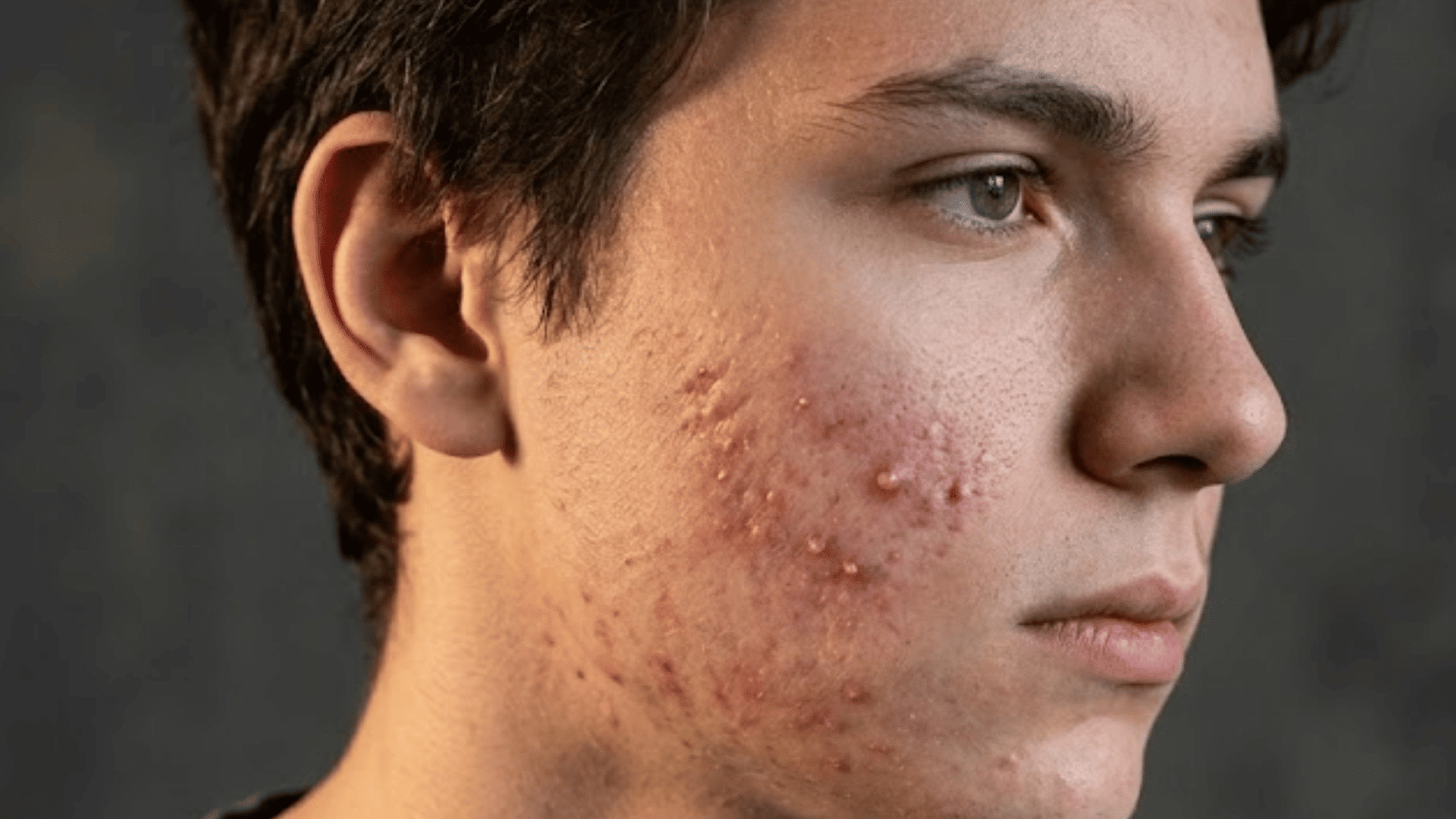
Some people notice breakouts soon after adding creatine, but several changes often happen at the same time, which can make the cause unclear.
1. Breakouts May Start Around the Same Time
Acne that appears shortly after starting creatine can make the supplement seem responsible. Still, timing does not prove a direct link.
Skin can react to changes in training, diet, stress, or daily habits. A breakout may simply happen during the same period that creatine use begins.
2. More Training Can Mean More Sweat
Starting creatine often goes along with harder or more frequent workouts. This can mean extra sweating, especially on the face, chest, shoulders, and back.
Sweat mixed with oil, dirt, and friction from gym clothes may irritate the skin and make existing acne more noticeable.
If it’s mainly your forehead flaring up, this blog on clearing up forehead breakouts walks through the sweat-and-friction causes in more detail.
3. Bulking Diets Can Affect the Skin
Many people change their diet when trying to gain muscle. They may eat more calories, dairy products, or foods with a high glycemic load.
Some dietary changes have been linked with acne in certain people. This makes it harder to blame creatine when several eating habits change together.
4. Other Supplements May Play a Part
Creatine is often taken with whey protein, pre-workout drinks, mass gainers, or other supplements. Some people may react to ingredients in these products rather than creatine itself.
Dairy-based protein powders may also be linked with breakouts in acne-prone people, although responses can differ from person to person.
5. Skin Care Habits Can Change
Longer gym sessions can affect normal skin care habits. Sweat may stay on the skin for hours, while towels, hats, helmets, or workout clothes can add oil and bacteria.
Skipping a shower after exercise or wearing sweaty clothes for too long may also make breakouts more likely.
6. Hormones May Already Affect Acne
Hormones play a major role in acne, especially during the teenage years and early adulthood. Natural hormone changes can increase oil production and clogged pores.
If acne appears after creatine use begins, an existing hormonal pattern may be involved instead of the supplement being the direct cause.
Common Acne Patterns People Report
Not every breakout tells the same story. Here’s how the most common patterns tend to line up with their likely cause.
| Pattern | Symptoms | Likely Explanation |
|---|---|---|
| New facial or chest breakouts | Small red bumps within the first 1–2 weeks | New training block or supplement stack, not creatine itself |
| Back and shoulder acne | Clustered bumps, often worse on heavy sweat days | Sweat and tight gear trapping heat and oil |
| Jawline and chin breakouts | Deeper, tender bumps along the lower face | Dairy intake, hormonal cycle, or stress |
| Breakouts after a dose increase | Sudden flare after moving to a loading dose | Coincides with heavier training, not a proven dose acne link |
| No skin change at all | No new bumps or extra oiliness | Matches research showing no consistent, direct effect |
What Creatine Users Are Actually Saying About Acne
Reading through personal experiences can add a lot of context that studies alone can’t capture. Here’s a look at a few cases where people share their own take on this exact question.
My dermatologist told me to stop taking creatine, no questions asked: One user described being told by a dermatologist to permanently avoid creatine, along with several other supplements, despite finding no evidence linking it to acne and noticing no change in their skin during past periods when they stopped taking it – Reddit
Creatine seemed to trigger cystic breakouts alongside other supplements: A different user reported developing deep, cystic acne on their temples, chin, and jaw after taking creatine, collagen, or biotin, each on separate occasions, with breakouts taking months to clear. – Reddit
Quitting creatine appeared to clear things up: Another user linked their worsening acne and mood changes to starting creatine after a period of clear skin, and reported their acne went away after stopping. – Reddit
What to Do if Acne Starts After Taking Creatine
Acne after starting creatine can feel confusing, especially when training, diet, and supplement habits have changed around the same time. Pairing the steps below with a skincare routine suited to oily, sweat-prone skin can also help while you figure out the real trigger.
- Check the timing: Note when the breakout began and compare it with the date creatine was first added.
- Change one thing: Avoid stopping or adding several supplements together, since that makes the possible trigger harder to identify.
- Keep routines steady: Try to keep diet, training, sleep, and skin care habits consistent while watching the breakout.
- Track skin changes: Record where acne appears, how severe it becomes, and any changes noticed over the next few weeks.
- Check gym hygiene: Wash sweaty skin after training and change damp clothes quickly to reduce oil, dirt, and friction buildup.
When to See a Dermatologist
Most breakouts linked to workouts or supplements clear up once you clean up your habits, like showering sooner or switching products. But if your skin isn’t improving, it’s worth checking in with a dermatologist instead of guessing.
You should think about seeing a dermatologist if you notice:
- Deep, painful bumps that feel sore under the skin
- Breakouts that don’t improve after a few weeks of better hygiene and skincare
- Acne spreading to new areas like your back, chest, or shoulders
- Dark spots left behind after pimples heal
- Sudden, severe breakouts that feel very different from your normal skin
Wrapping It Up
So, does creatine cause acne? Based on current research, no. Creatine isn’t a hormone or a steroid, and no study has shown a direct, reliable link to breakouts.
The worry traces back to one small, dated study that gets more attention than the evidence supports.
If your skin changed after you started, look at what else shifted too: heavier training, a new pre-workout, more dairy, or a bulking diet.
Track what helps before dropping a supplement that’s otherwise safe and studied. Shower soon after training, keep gear clean, and hold a steady 3 to 5 gram dose.
Look at your stack this week, and give your skin time to respond.
Frequently Asked Questions
Can Women Get Acne from Taking Creatine?
No solid evidence links creatine to acne in women; hormonal shifts or stress are more likely culprits.
Is It Safe to Take Creatine While Using Acne Medication Like Accutane?
It’s best to check with your doctor first, since this combination hasn’t been well studied; they can look at your full treatment plan and make sure nothing affects your skin.
Will My Skin Clear Up If I Stop Taking Creatine?
Not necessarily, since creatine isn’t a proven cause of acne in the first place. It’s better to track what actually improves your skin before cutting out a supplement that’s otherwise safe and effective.