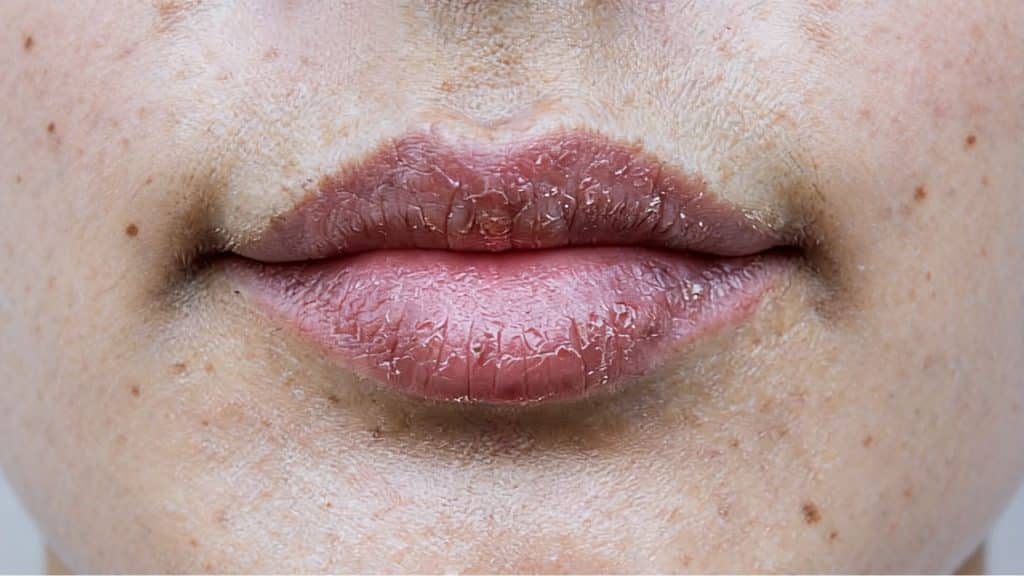

Does whey protein cause acne, or is your skin reacting to something else? It can be frustrating to see new breakouts after adding a protein shake to your routine.
You may eat well, wash your face, and still notice pimples showing up more often. That can make whey feel like the obvious cause.
The problem is that acne rarely comes down to one simple trigger. Whey isn’t the only thing in your gym bag that quietly affects your skin.
Cutting out random foods or changing products too fast may only make the cause harder to spot. A clear answer starts with looking at the link carefully.
Does Whey Protein Cause Acne?
Whey protein can cause or worsen acne in some people, but it does not affect everyone. Some people notice more pimples after adding whey protein to their diet, while others use it without any skin problems.
Research has found a possible link between whey protein and acne, especially in people who already deal with breakouts; for example, a 2024 case-control study out of Jordan found that 47% of participants with acne were taking whey protein supplements compared to 27.7% of those without acne.
However, the evidence is still limited, and researchers have not confirmed that whey protein directly causes acne in every case.
This means whey may play a role for certain people, but it should not be treated as a guaranteed cause of acne.
How Likely is Whey Protein to Cause Acne?
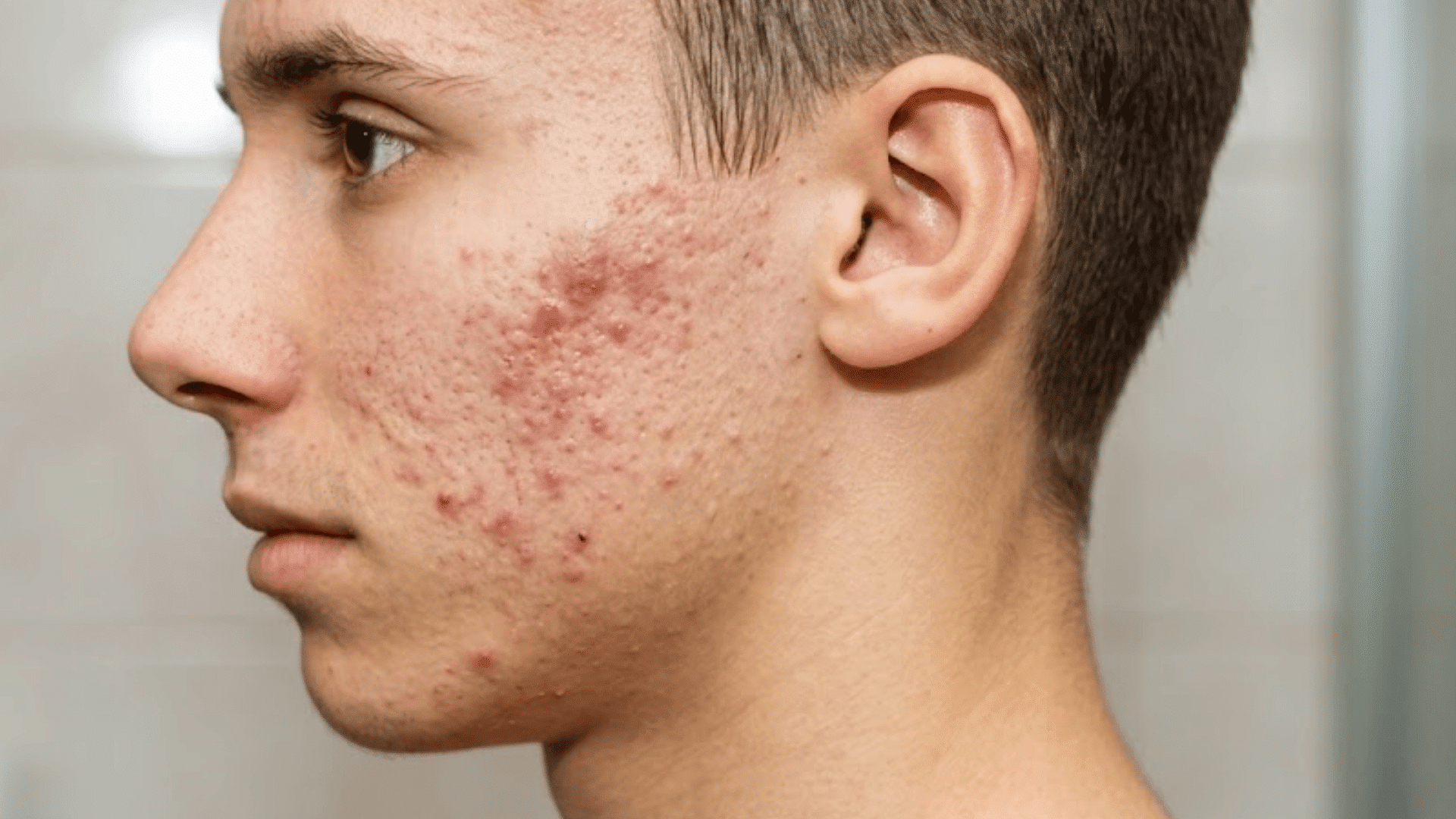
There is no fixed percentage that shows how often whey protein causes acne, since the risk can differ widely from person to person.
- Existing acne: People who already get acne may be more likely to notice extra breakouts after adding whey protein to their diet.
- Frequent whey intake: Using whey protein often may increase the chance of skin changes in people who are sensitive to it.
- Higher amounts: Taking larger servings of whey may have a stronger effect than using smaller amounts from time to time.
- Skin response: Some skin types may react more easily to changes linked with diet and protein supplements.
- Hormone response: Whey may affect certain hormones tied to oil production, which can make breakouts more likely in some people.
Why Whey Protein May Trigger Breakouts

Whey protein doesn’t cause acne in one simple way. Instead, it may act on your skin through several pathways in your body. It’s also worth knowing you’re not just watching whey; creatine and skin breakouts come up in the same conversation for a lot of lifters.
1. Higher IGF-1 Levels
Whey protein raises a hormone called insulin-like growth factor 1, or IGF-1. This hormone tells your oil glands to produce more sebum, the oily substance that keeps skin soft.
When your body makes too much sebum, it can mix with dead skin cells and clog your pores. Clogged pores are one of the first steps toward a breakout.
2. Increased Androgen Activity
Androgens are hormones like testosterone that control oil production and skin cell growth. Some studies show that whey protein can raise androgen activity in the body.
Higher androgen levels can make your oil glands more active, leading to larger, more frequent breakouts.
3. Blood Sugar and Insulin Spikes
Whey protein digests quickly and can cause a rapid rise in blood sugar and insulin levels. High insulin levels signal your body to produce more oil and skin cells.
Over time, this can clog pores faster than normal. This is one reason some people notice more breakouts after drinking whey shakes on an empty stomach.
4. Leucine and Skin Cell Growth
Whey protein is rich in an amino acid called leucine. Leucine activates a pathway in your cells called mTOR, which controls how fast skin cells grow and divide.
When this pathway speeds up, skin cells can build up faster than your pores can handle; this buildup traps oil and bacteria under the skin.
5. Hidden Hormones From Dairy
Whey comes from cow’s milk, which naturally contains small amounts of hormones from the cow. These hormones don’t fully break down during processing and can add to your own hormone levels.
This extra hormonal load may push your skin toward more oil production and inflammation, on top of the other effects above.
How to Tell if Whey Protein is Causing Your Acne
Finding the cause takes a little patience, since acne can change for many reasons and whey may not be the only factor.
Check the timing
Compare the date acne began with the time whey protein became part of the diet. A close match can point to a possible dietary connection.
Watch for changes
Notice any change in breakouts after starting whey or raising the daily amount, including whether you’re clearing up stubborn forehead breakouts or seeing new ones elsewhere. More pimples soon afterward can make whey a stronger possible trigger for acne.
Pause whey intake
Pause whey protein for several weeks while keeping other habits steady. If breakouts become less frequent during that period, whey may be playing a role.
Keep other habits steady
Keep skin care, diet, sleep, and other supplements as consistent as possible during the test. Changing several things together makes the real cause harder to identify.
Get professional advice
Seek advice from a dermatologist if acne becomes painful, leaves scars, spreads quickly, or continues despite stopping whey. Professional care can help rule out other causes.
Can Switching Protein Powder Help?
Switching to a non-whey protein powder may help if breakouts seem to appear or get worse after regular whey protein use.
| Protein Type | What It Is | Why It May Help |
|---|---|---|
| Pea Protein | A plant-based protein made from yellow peas. | It contains no dairy, so it may suit people who notice breakouts after using whey. |
| Soy Protein | A plant protein made from soybeans. | It provides a high amount of protein without whey and may be a useful dairy-free choice. |
| Rice Protein | A plant protein usually made from brown rice. | It is dairy-free and may be easier to use when whey seems linked with skin changes. |
| Egg White Protein | A protein powder made from egg whites. | It offers protein without dairy, which may help people who want to avoid whey while keeping protein intake steady. |
When Should You See a Dermatologist?
Acne does not always need medical treatment, but certain signs mean it is worth getting help from a dermatologist.
- Painful or deep acne: Large, sore bumps under the skin can be difficult to treat with basic products.
- Scarring: Dents, raised scars, or lasting marks after breakouts are a reason to seek professional care.
- Acne after stopping whey: If breakouts continue several weeks after stopping whey, another cause may need to be checked.
- No improvement with basic care: Acne that stays the same despite regular skin care may need medical treatment.
A dermatologist can identify the type of acne and suggest treatment that fits the condition while helping reduce the risk of lasting scars.
Wrapping It Up
A protein supplement should support your routine without leaving you second-guessing changes in your skin. Paying attention to how your body responds can make food and supplement choices feel more practical.
If you are still asking Does whey protein cause acne, the answer may depend on how your own skin reacts over time.
There is no need to blame one product too quickly or ignore a pattern that keeps returning. Give your skin enough time to settle, keep your routine simple, and make changes with care.
If breakouts continue, getting advice from a qualified health professional can help bring the issue to a clear close.
Frequently Asked Questions
Can Whey Protein Cause Acne on the Back or Chest?
Whey-related breakouts are not limited to the face. Acne can also appear on the back, chest, or shoulders, where oil glands are active. The location can vary from person to person.
Is Whey Isolate Less Likely to Cause Acne than Whey Concentrate?
Whey isolate contains less fat and lactose than whey concentrate, but it still contains whey proteins. This means it may still be linked with breakouts in people who are sensitive to whey.
Can Ingredients Added to Protein Powder Affect the Skin?
Protein powders may also contain sweeteners, flavorings, or other added ingredients. In some cases, these ingredients may not suit certain people, so checking the ingredient list can help narrow down possible triggers.