
Fine lines around the eyes and mouth often appear earlier than expected. Sun exposure, dryness, and natural collagen loss can make them more noticeable over time.
A vitamin C serum for wrinkles may help brighten dull skin, support collagen production, and soften the look of early lines.
It is also one of the few over-the-counter skincare ingredients backed by research.
This blog explains how vitamin C works, who may benefit most, which products suit different budgets, and when it may be better to skip it.
Can Vitamin C Serum Reduce Wrinkles?
Yes, vitamin C may help reduce the appearance of wrinkles by supporting collagen production and protecting the skin from environmental damage.
Vitamin C fights free radicals that break down collagen, supporting firmer-looking skin over time. Pairing it with other habits that tighten skin naturally can round out the effect.
Results build gradually, with smoother texture and firmness becoming noticeable after several weeks of consistent use.
This real results timeline breaks down what to expect stage by stage.
Sun exposure speeds up collagen loss and visible aging, and vitamin C helps guard against some of this damage while also supporting hydration.
Who Benefits Most From Vitamin C Serum?

Vitamin C works best for people dealing with early signs of aging, dullness, or sun-related spots.
It fits easily into a morning routine before sunscreen, and its brightening effect makes it one of the more popular vitamins for glow among daily actives.
- Late 20s to 30s: Useful for prevention as collagen production slows and early fine lines appear.
- 40s to 60s: Often provides clearer benefits as wrinkles, uneven tone, and sun damage become visible.
- Younger adults: Can use vitamin C to protect skin and reduce future signs of aging.
- Sun-exposed skin: Outdoor exposure increases free radical damage, giving vitamin C more to counter.
- Uneven tone with fine lines: Its brightening and firming effects may improve both concerns together.
- Dry or normal skin: These skin types often tolerate acidic formulas better than reactive or irritated skin.
- First-time active users: A low-strength serum can be a gentle start before stronger acids or treatments, and those with a shinier T-zone may want a formula made for oily skin instead.
How to Choose the Right Vitamin C Serum for Wrinkles
Choosing a vitamin C serum depends on your skin type, concerns, and tolerance.
The right formula can help target fine lines, dullness, and uneven tone. If you’d rather see the week-by-week payoff first, this before and after comparison lays out what changes when.
| Factors | What to Check | Best Choice |
Suitable For |
|---|---|---|---|
| Vitamin C Strength | Concentration level | 10%–20% vitamin C |
Wrinkles and uneven tone |
| Vitamin C Type | Formula stability and research | L-ascorbic acid | Visible signs of aging |
| Antioxidant Support | Added ingredients | Vitamin E + ferulic acid | Extra skin protection |
| Hydration Support | Moisturizing ingredients | Hyaluronic acid + ceramides | Dry or mature skin |
| Skin Sensitivity | Irritation risk | Gentle vitamin C derivatives | Sensitive skin |
| Serum Texture | Daily comfort | Lightweight formulas | Regular use without heaviness |
Best Vitamin C Serum for Wrinkles
Effective vitamin C serums are available at every price point. Focus on the formula strength, stability, packaging, and skin compatibility rather than cost alone.
1. Sunday Riley C.E.O. 15% Vitamin C Brightening Serum
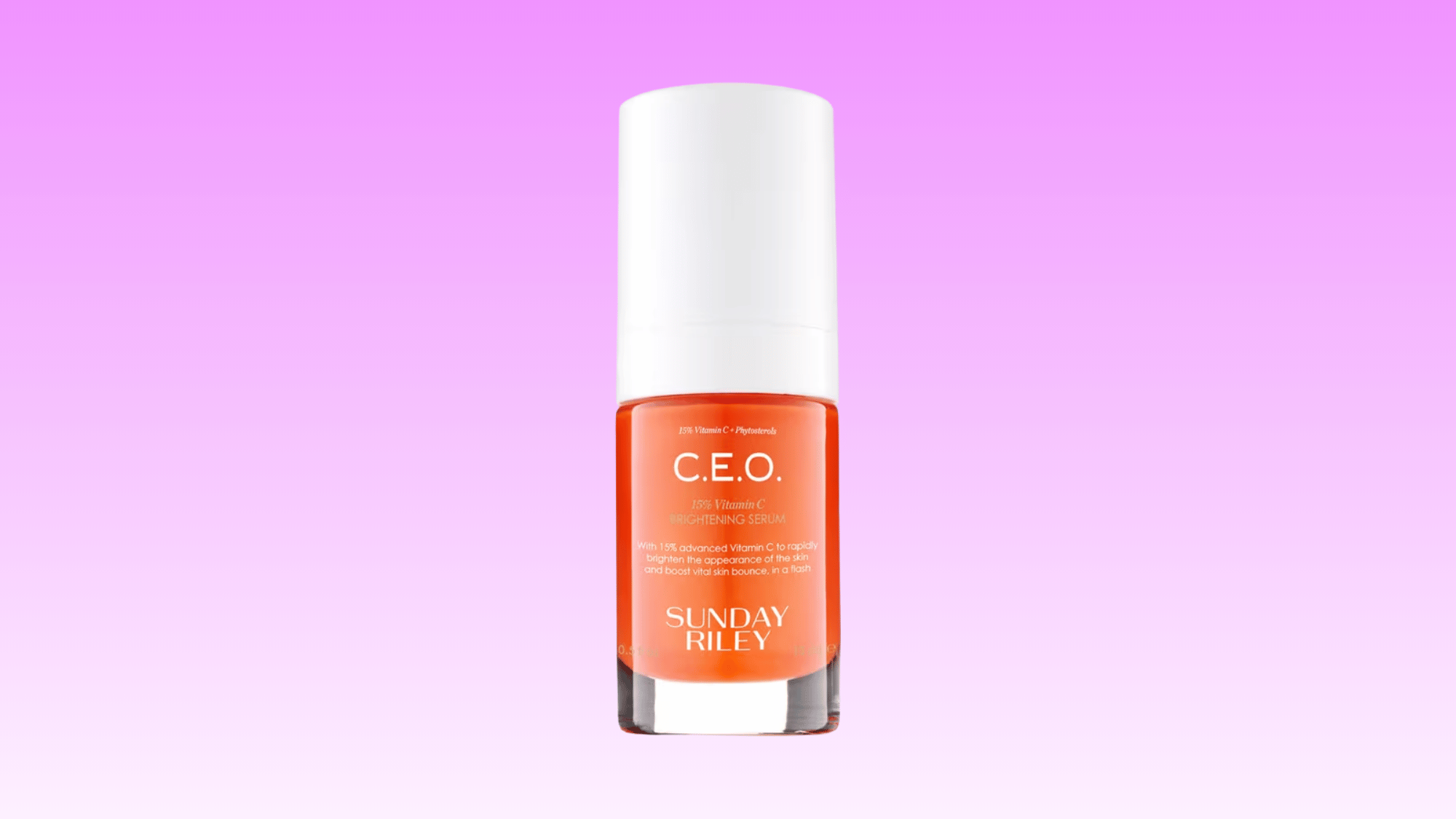
- Key Ingredients: 15% THD ascorbate (vitamin C derivative), phytosterols, saccharide isomerate extract
- Price: $85
- Suitable for: Fine lines, dullness, and mature skin
Sunday Riley C.E.O. uses a stable vitamin C derivative that may suit those seeking anti-aging benefits in a gentler formula. It helps improve the appearance of dullness, uneven tone, and early signs of aging.
Its moisturizing texture makes it a suitable option for those who find pure L-ascorbic acid formulas too irritating or drying.
2. The Ordinary Ascorbyl Glucoside Solution 12%
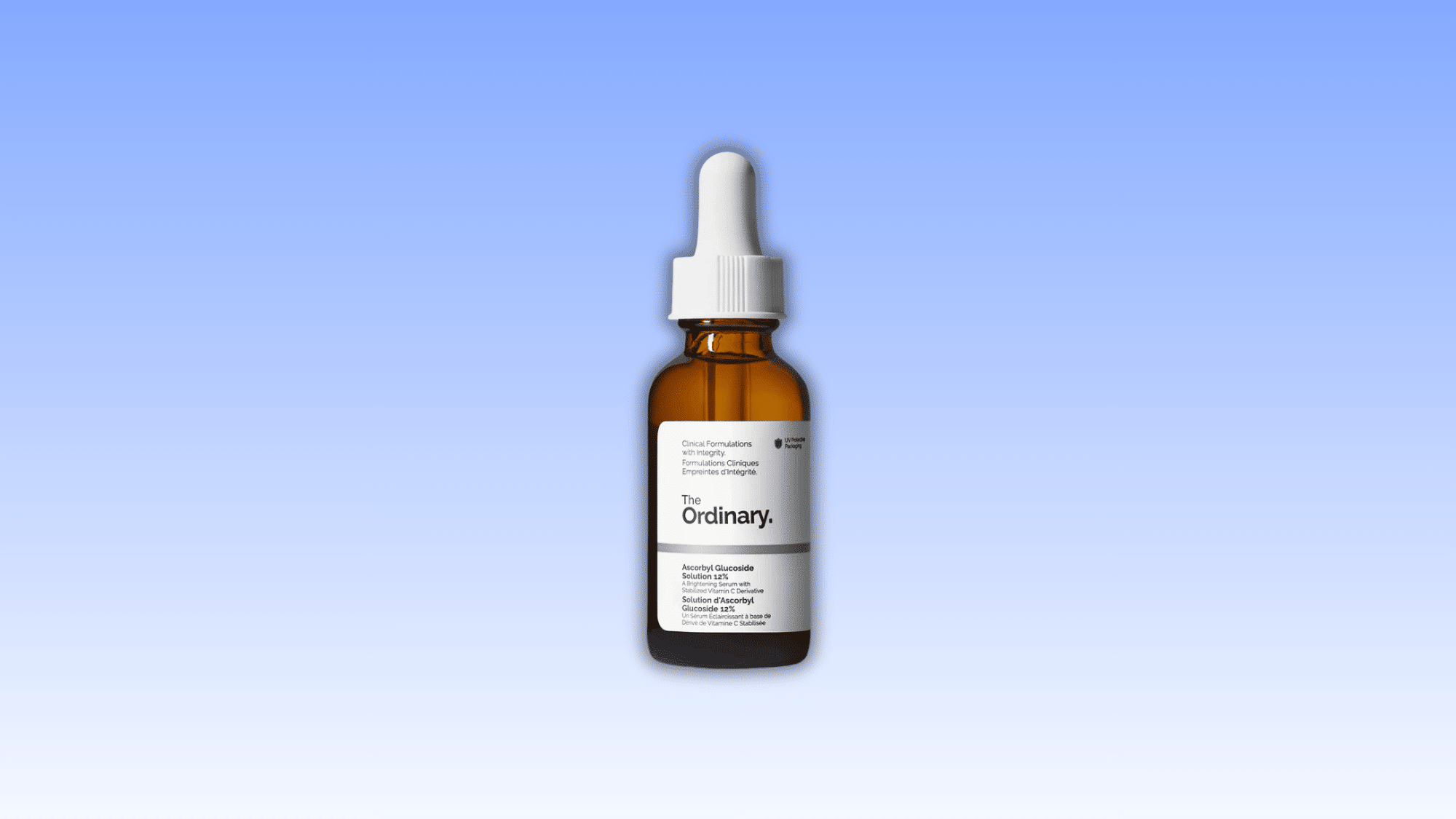
- Key Ingredients: 12% ascorbyl glucoside (vitamin C derivative)
- Price: $12.90
- Suitable for: Sensitive skin and beginners
The Ordinary’s vitamin C serum uses a stable vitamin C derivative that may feel gentler than pure L-ascorbic acid formulas.
Its lightweight water-based texture works well for people who want antioxidant support without a heavy finish. It is also one of the more affordable options for trying vitamin C.
3. L’Oréal Revitalift 10% Pure Vitamin C Serum
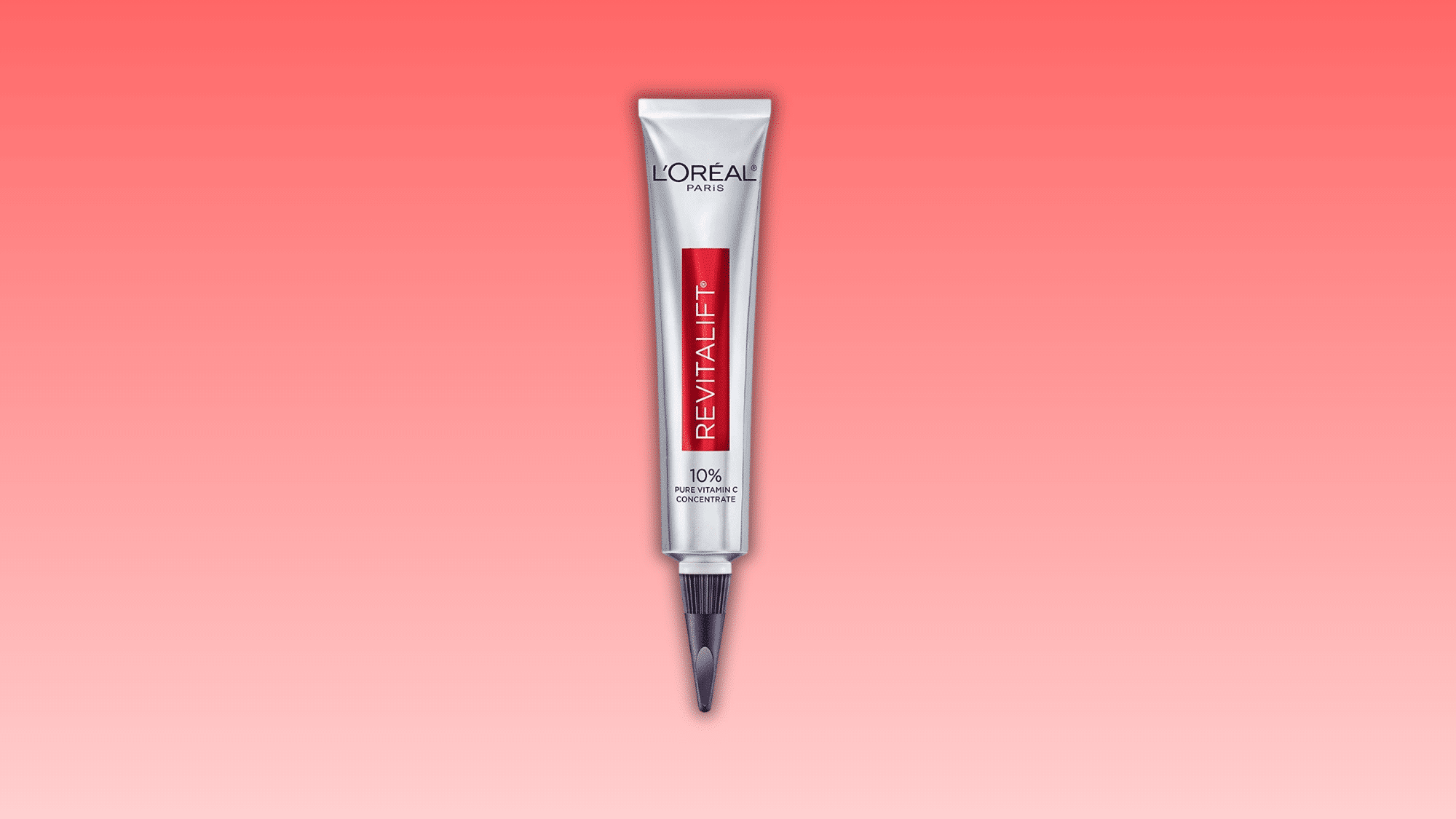
- Key Ingredients: 10% pure vitamin C, hyaluronic acid, and supporting ingredients
- Price: $32.99
- Suitable for: Best value and daily brightening
L’Oréal Revitalift offers a strong vitamin C concentration at a mid-range price. It can be a good choice for people looking for a balance between performance and affordability.
The lightweight formula absorbs quickly and may help improve the appearance of dullness and uneven skin tone.
4. Timeless 20% Vitamin C + E Ferulic Serum
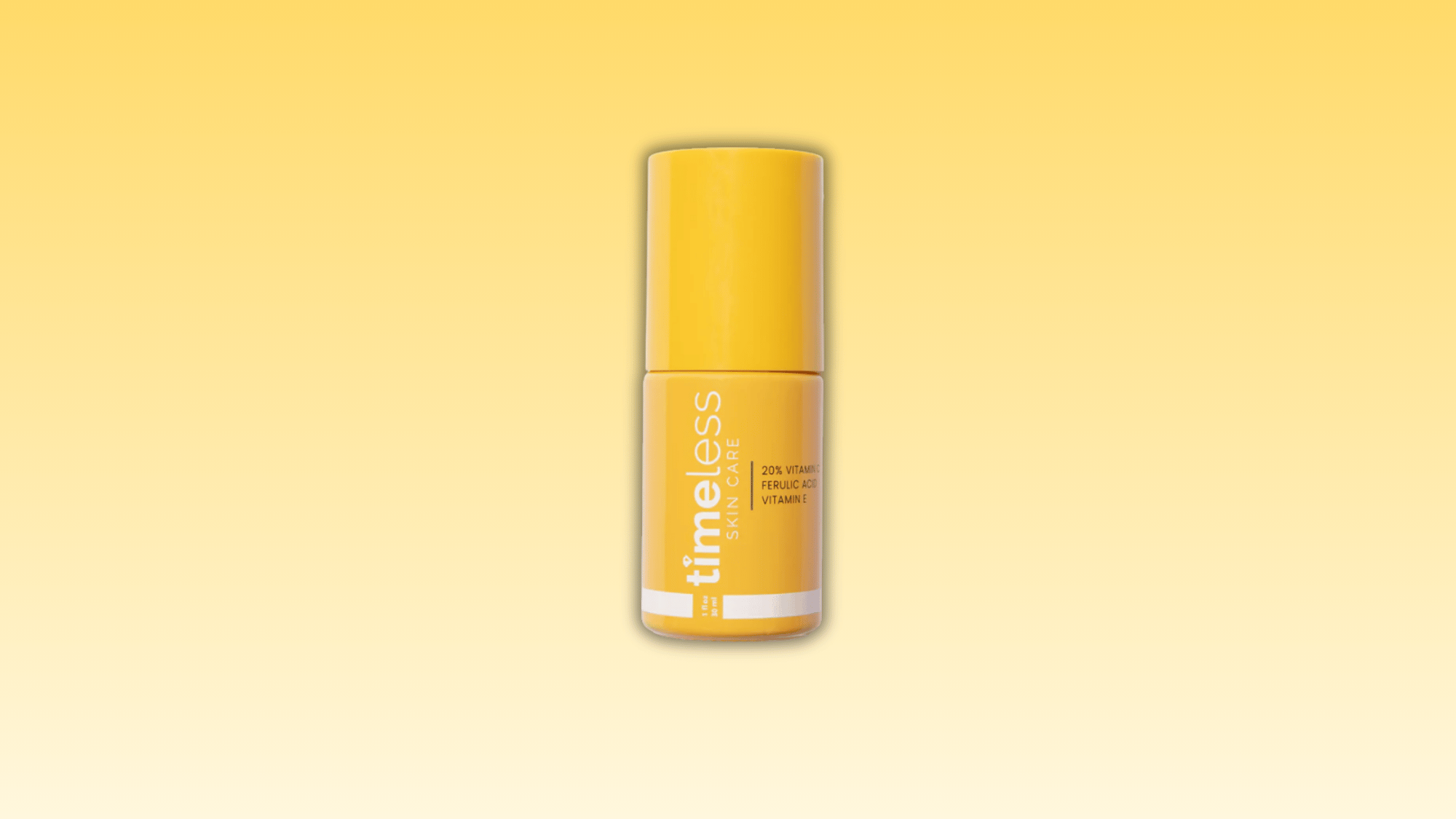
- Key Ingredients: 20% L-ascorbic acid, vitamin E, and ferulic acid
- Price: $26.95
- Suitable for: Wrinkles and signs of aging
Timeless combines a higher vitamin C concentration with vitamin E and ferulic acid, ingredients often used in antioxidant skincare formulas.
Its stronger formula may suit experienced users who want to target the appearance of fine lines and uneven tone. Sensitive skin may need a slower introduction.
5. SkinCeuticals C E Ferulic
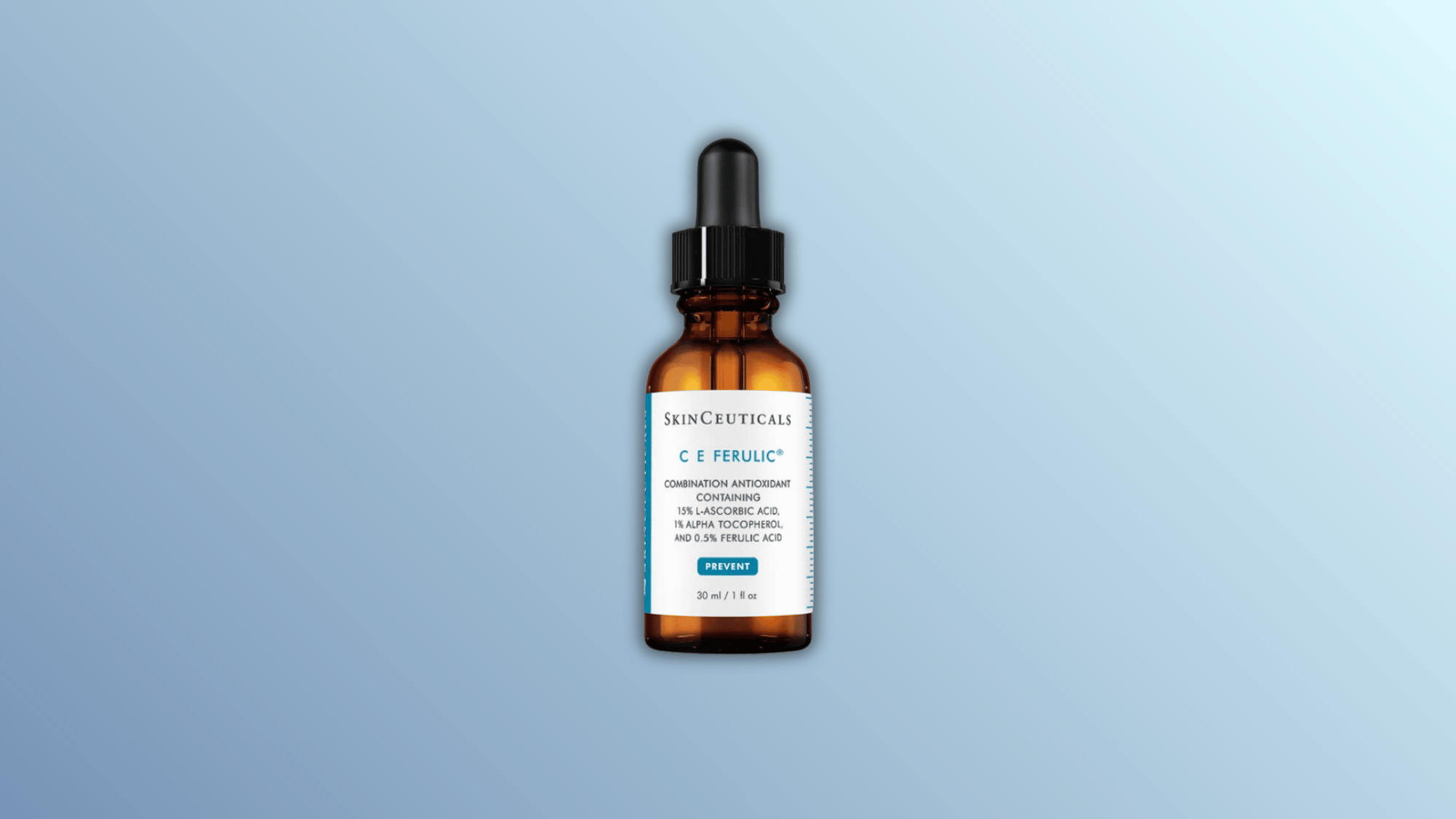
- Key Ingredients: 15% L-ascorbic acid, vitamin E, and ferulic acid
- Price: $185
- Suitable for: Premium antioxidant skincare
SkinCeuticals C E Ferulic is a well-known vitamin C serum with a high-end formula focused on antioxidant protection.
Its combination of vitamin C, vitamin E, and ferulic acid makes it a popular choice for people looking for a premium skincare option. The main drawback is its significantly higher price compared with other serums.
When Should You Avoid Vitamin C Serum?
Vitamin C serum may not suit every skin type or situation. Certain conditions can increase irritation or reduce the serum’s effectiveness.
- Active eczema, rosacea flares, or broken skin: May sting and increase irritation.
- Pregnancy or breastfeeding: Check with a doctor before use.
- Using retinol at the same time: May cause dryness or peeling.
- Fresh sunburn or recent peels: Wait until the skin barrier heals.
- Very reactive skin: Patch test and choose gentle formulas.
- Serum turns brown or orange: Oxidized vitamin C may lose effectiveness.
Conclusion
A vitamin C serum for wrinkles works best with regular use. Choose a concentration that suits your skin, and check the “How to Choose” table above if you’re unsure where to start.
Give it two to three months before judging the results, since firmness and texture build on the gradual timeline covered earlier.
Speak with a dermatologist if your skin is highly reactive or rosacea-prone. Once you find a formula that works, use it consistently and increase the strength only if needed.
Frequently Asked Questions
Does Vitamin C Serum Slow Skin Aging?
It may help reduce oxidative stress, support collagen, and limit some visible signs of sun-related aging.
What Are the Common Mistakes when Using Vitamin C Serum?
Using too much, skipping sunscreen, storing it in heat or light, and combining several strong actives can reduce results or cause irritation.
What is the Best Time to Apply Vitamin C Serum?
Morning is usually best. Apply it after cleansing and before moisturizer and sunscreen.
What Should You Not Mix with Vitamin C Serum?
Avoid layering it with strong retinol, exfoliating acids, or benzoyl peroxide if your skin becomes irritated. Use them at different times.
What Should You Layer with Vitamin C Serum?
Pair it with hydrating ingredients such as hyaluronic acid, ceramides, moisturizer, and broad-spectrum sunscreen.