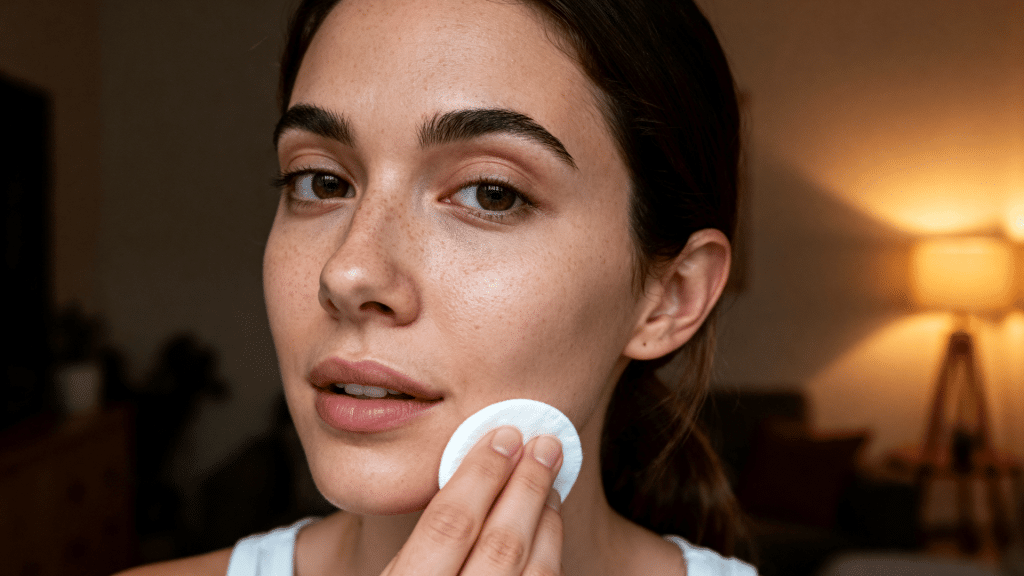

The under-eye area moves constantly; blinking alone happens thousands of times a day, and that constant motion is part of why fine lines tend to settle in here first.
Many people turn to retinol for help, since it’s one of the most studied ingredients for aging skin. But questions remain: Does using retinol under the eyes actually reduce fine lines, or cause irritation?
This blog looks at what studies show about effectiveness, how well the skin tolerates retinol in this area, and how to introduce it safely without triggering dryness or redness.
Is It Safe To Use Retinol Under Eyes?
Yes, retinol can be safe to use under the eyes, but this area needs extra care because the skin is thinner and has fewer oil glands.
Many people start using it in their late 20s or early 30s, when wrinkles at 25 or so first begin to show. However, the right time depends on how well your skin handles active ingredients.
When starting, use a small amount and apply it only on the orbital bone, avoiding the lash line and inner corners near the tear ducts.
Mild dryness, redness, or slight stinging can happen at first as your skin adjusts.
Stop using retinol if you notice strong itching, swelling, peeling, burning, or unusual discoloration. If irritation continues, a dermatologist can help you choose a better option for your skin.
How to Start Using Retinol Around the Eyes?
Introducing retinol the right way can mean the difference between smooth results and unwanted irritation. A slow, careful approach lets skin adjust while still allowing the benefits to show over time.
Step 1: Patch Test
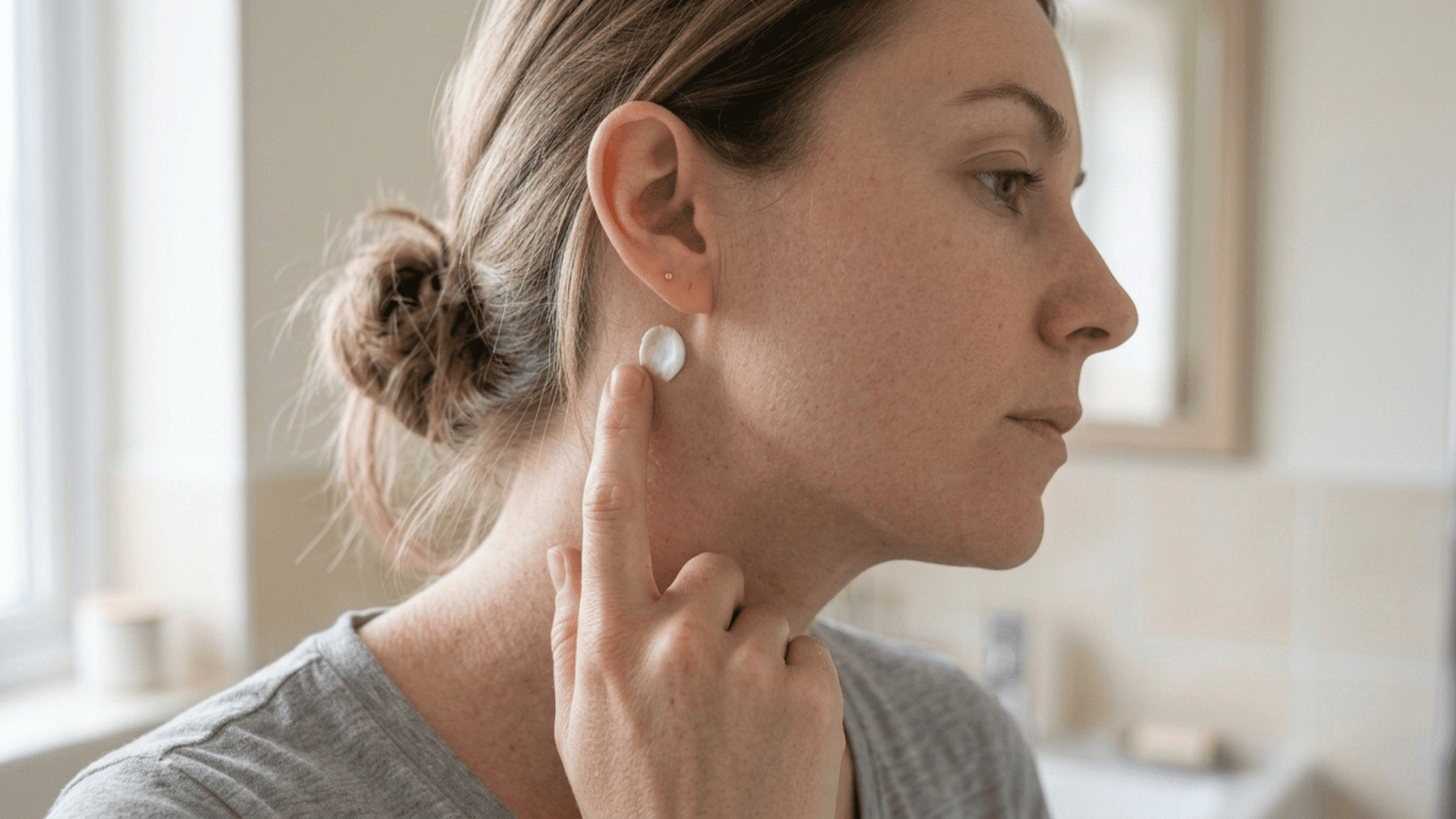
Before applying retinol near the eyes, test it elsewhere first. Apply a small amount behind the ear or on the inner arm for two nights in a row.
Wait 48 hours and check for redness, itching, or swelling. If none appear, the skin has likely tolerated the formula well enough.
Step 2: Ease In With a Slow Schedule
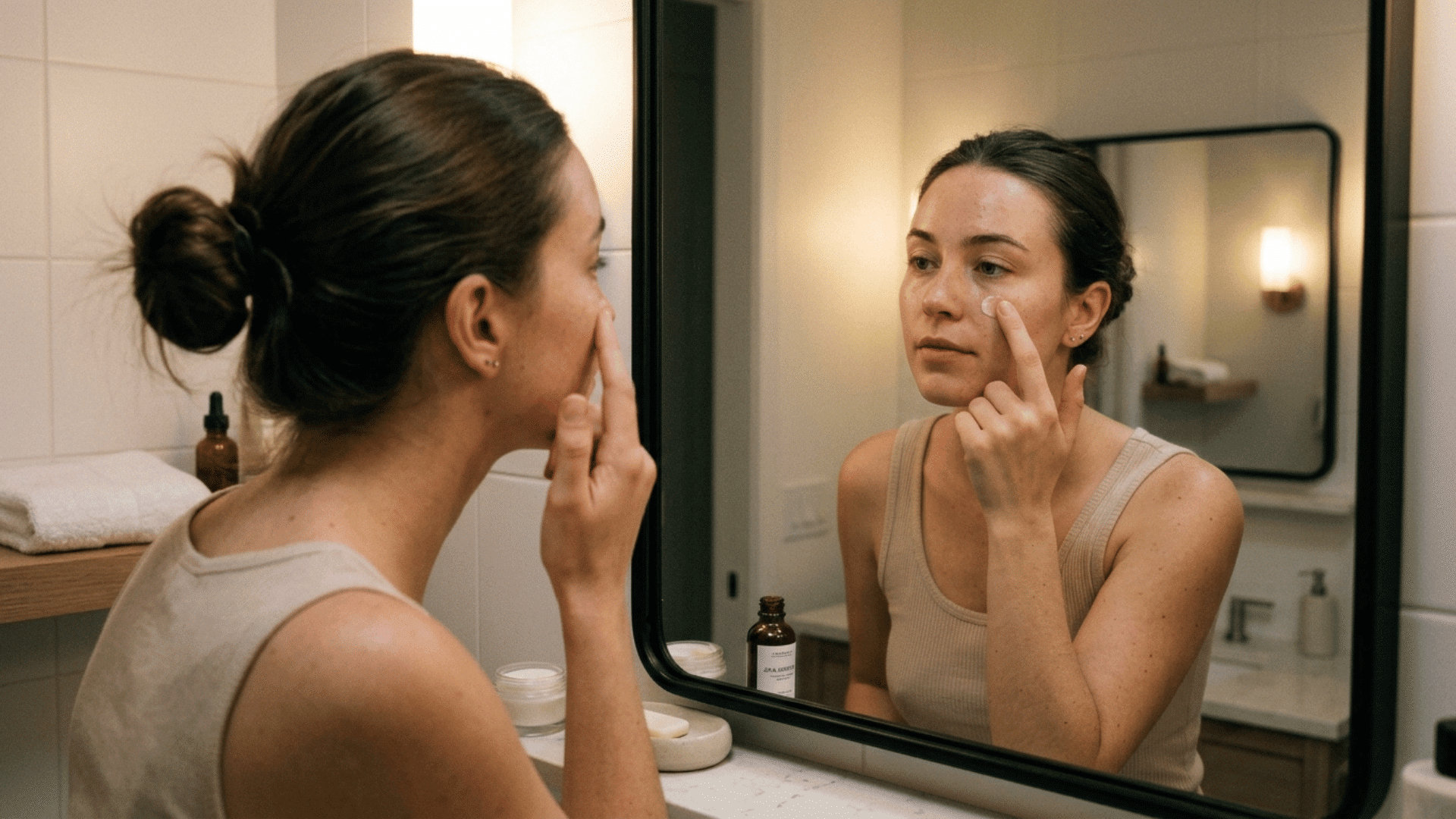
Skin around the eyes adjusts better with a gradual approach than a sudden one. Begin with just two nights a week for the first two weeks.
This builds tolerance before facing nightly exposure.
Many people make the mistake of applying retinol every night right away, which often leads to stinging that could have been avoided.
Step 3: Apply a Pea-Sized Amount Correctly
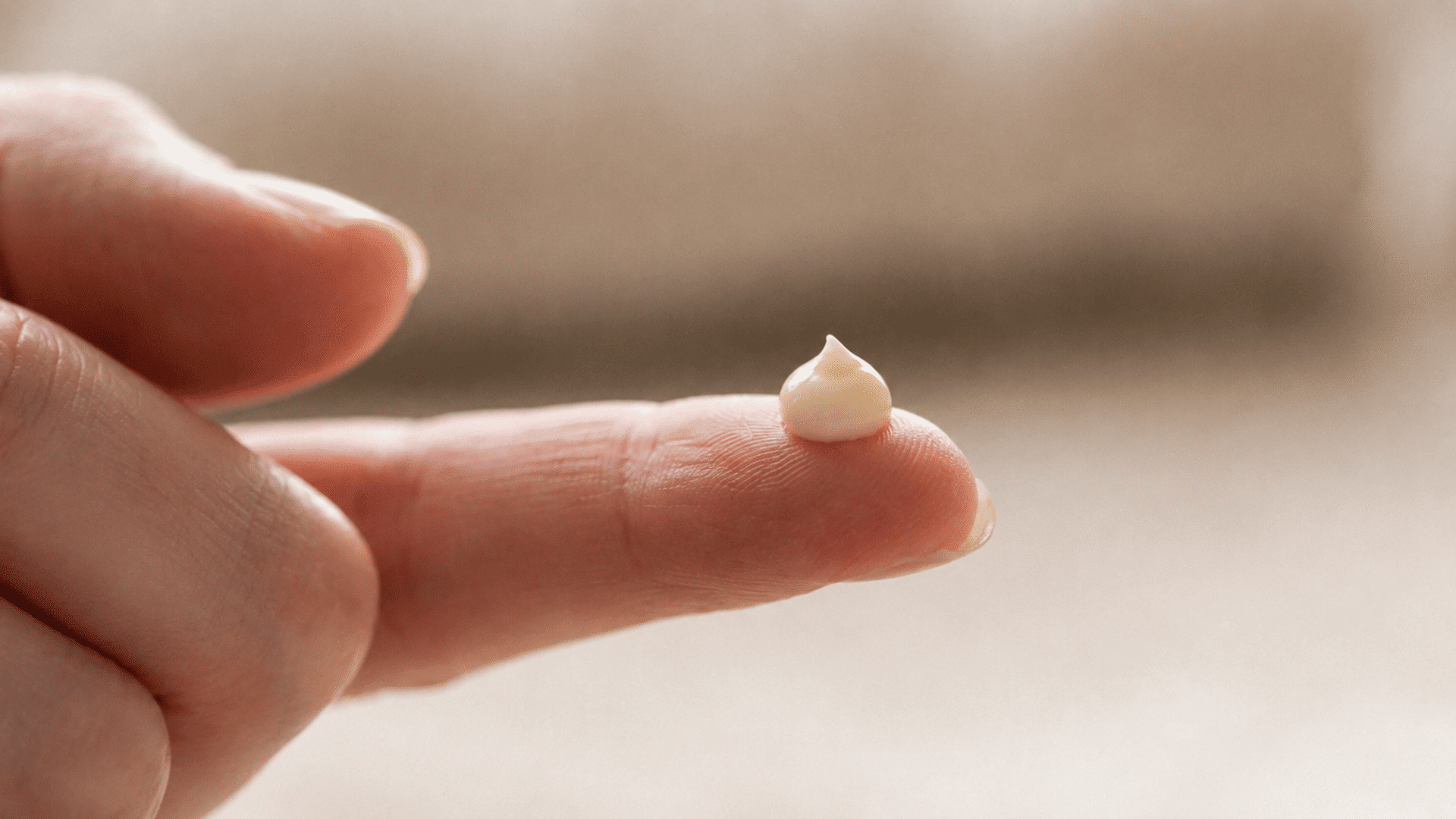
Use one pea-sized amount for both eyes combined, not one per side. Pat it gently along the orbital bone, staying clear of the lash line and inner corners where skin is most sensitive.
Rubbing or dragging the product can cause unnecessary friction in an area that is already thin and prone to irritation.
Step 4: Use Sunscreen Each Morning
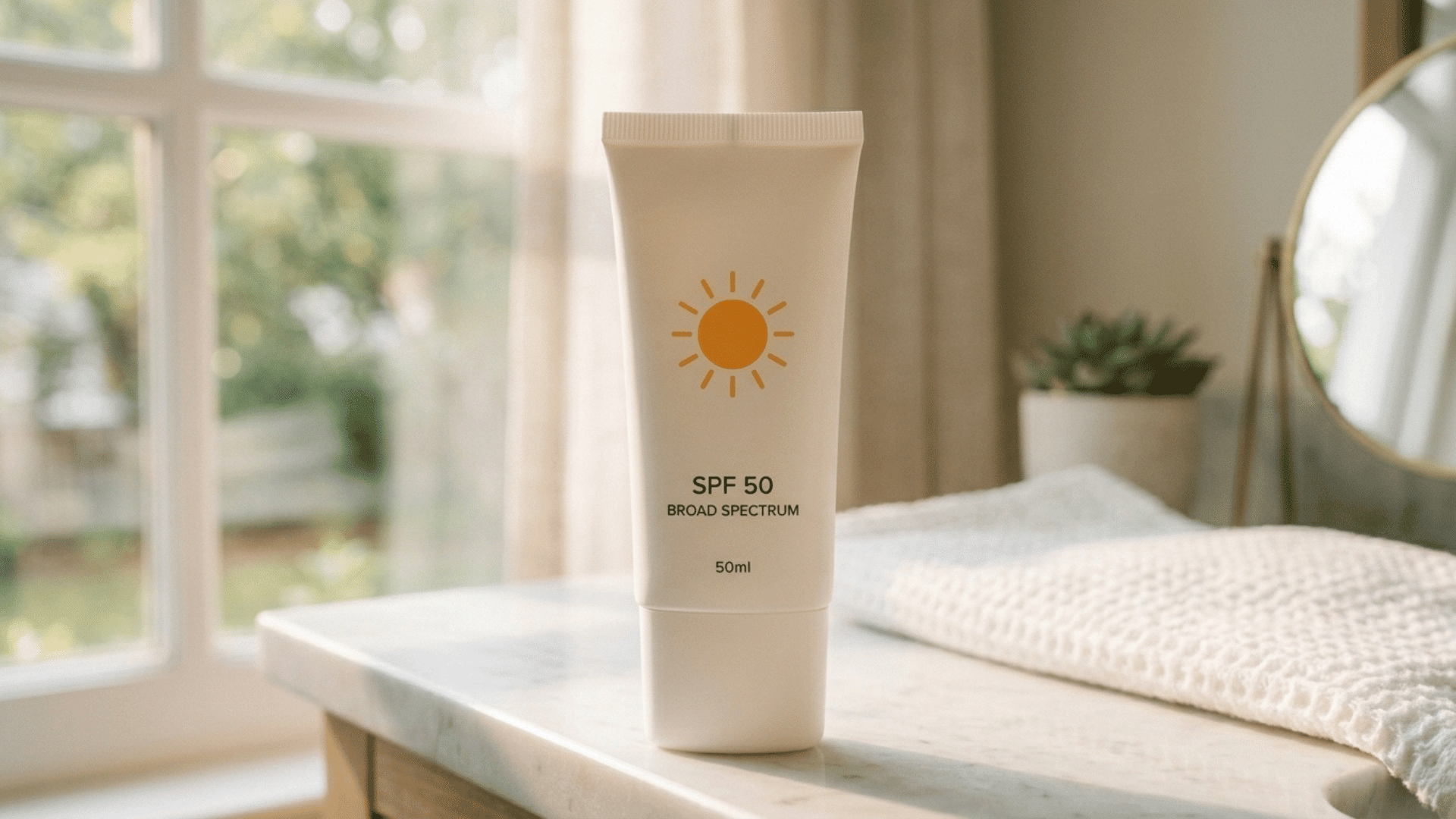
Retinol makes skin more sensitive to sunlight, so daily SPF is not optional.
Apply a broad-spectrum sunscreen around the eyes every morning, even on cloudy days, to protect against further damage and support the results retinol is meant to deliver.
What Does Research Say About Retinol for the Eyes?
Real studies help show what retinol actually does. In one 12-week study, people used a gentle retinol eye cream every night.
Their fine lines, puffiness, and dryness all got better, with no bad reactions, according to research published in the Journal of Drugs in Dermatology.
Older studies back this up too. In research reviewed by JAAD, people used it for several months and saw fewer fine wrinkles and smoother skin compared to those using a plain cream with no active ingredient.
Not every study fully agrees, though. Most of the retinol studies focus on the whole face, not just the eye area, so eye-specific research is still limited.
Overall, retinol can genuinely help with under-eye wrinkles, especially gentle formulas made for that spot.
Common Side Effects of Using Retinol Under the Eyes
Retinol can cause a few temporary reactions as the delicate skin under the eyes gets used to it. Here’s what to expect and how to handle each one.
| Reaction | Why It Happens | How To Manage It |
|---|---|---|
| Flaking or peeling | Skin cells turn over faster than usual | Use less often at first |
| Stinging on application | Formula is too strong for thin under-eye skin | Choose a gentler, eye-specific product |
| Temporary redness | Skin barrier is adjusting to the active ingredient | Usually fades as skin adjusts |
| Dryness or tightness | Retinol can strip natural moisture early on | Follow with a light, hydrating moisturizer |
| Itching or mild irritation | Skin hasn’t built tolerance yet | Reduce frequency until skin settles |
| Increased sun sensitivity | Retinol thins the outer skin layer | Apply sunscreen every morning |
| Product migrating into eyes | Applied too close to the lash line | Use a pea-sized amount, pat gently along the bone |
| Milia (small bumps) | Product buildup under the skin | Avoid over-applying |
Who Should Avoid Retinol Around the Eyes?
Retinol isn’t the right choice for everyone, and knowing this ahead of time can prevent unnecessary irritation or bigger health concerns.
Pregnant or breastfeeding individuals are typically advised to avoid retinol altogether, since vitamin A derivatives can pose risks during this time.
People with eczema, rosacea, or an already compromised skin barrier also tend to react more strongly, since their skin has less natural protection to begin with.
Certain medications, like some acne treatments, can increase sensitivity even further when combined with retinol.
How to Use Retinol Without Irritating Your Skin?
Most side effects don’t come from the ingredient itself, but from how it’s applied. A few simple habits can make the difference between smooth results and unnecessary irritation.
- No Mixing: Avoid layering retinol with AHAs, BHAs, or vitamin C in the same skincare routine
- Moisturize First: Apply a thin layer of moisturizer underneath to buffer the strength of retinol
- Skip Flare-Ups: Hold off on retinol if the skin is already irritated, sunburned, or dealing with eczema
- Night Only: Retinol breaks down in sunlight, so it works best as part of a nighttime routine
- Store Properly: Keep the product in a cool, dark place to protect it from heat and light
- Ask A Dermatologist: Consult one if over-the-counter strength isn’t giving the results you want
- Stop If Needed: Pause use if redness or irritation doesn’t settle within a few weeks
Wrapping It Up
Using retinol under eyes can help improve fine lines and uneven texture when it is introduced slowly and used correctly.
Research suggests that regular use may support smoother-looking skin, but results usually take time. Mild dryness or redness may occur at first, but these effects often improve as the skin adjusts.
If irritation continues, stop using the product and speak with a dermatologist. Start with a low-strength eye formula, follow a slow schedule, and track how your skin responds before increasing use.
Frequently Asked Questions
Can You Use Regular Face Retinol Under Your Eyes?
It’s not recommended. Face retinol is often too strong for this thin, sensitive area and can cause more irritation.
How Long Until Retinol Shows Results Around the Eyes?
Most people notice smoother texture within 4 weeks. Visible improvement in fine lines and dark circles usually takes 8 to 12 weeks of consistent, nightly use.
Can I Use Retinol Every Day?
Not right away; start with 2 nights a week and build up slowly. Daily use can be introduced later, once skin shows no signs of irritation.
Does Retinol Help Under-Eye Bags, or Only Fine Lines?
Retinol mainly targets fine lines, texture, and mild puffiness by boosting collagen. It won’t remove deep hollows, which usually need other treatments.