
Can one small image say what words sometimes cannot? A mental health symbol can carry hope, pain, strength, or support in a simple form.
You may see one on a tattoo, bracelet, poster, or profile and think you know what it means. But symbols can have different stories behind them.
Some meanings come from awareness groups, while others grow from personal experience. That can make things confusing.
If you rely only on quick social posts or guesses, you may miss the real message. Knowing the meaning matters because these symbols often connect to deeply personal parts of someone’s life.
What is a Mental Health Symbol?
A mental health symbol is an image, shape, color, or mark linked with emotional well-being, healing, or recovery. It can help express feelings that may be hard to explain with words.
Some people use these symbols to show support, remember personal progress, or feel connected to others with similar experiences.
They may appear in tattoos, jewelry, artwork, or awareness materials. One symbol can hold two meanings at once.
A campaign gives it a public meaning, and the person wearing it gives it a private one, which is why asking is usually better than assuming.
Is there an Official Mental Health Symbol?
No. Unlike breast cancer, where the pink ribbon does the job worldwide, mental health has no single official symbol. Different groups adopted their own images over decades, and all of them are still in use side by side.
Three come closest to official status, each for a different reason:
- The green ribbon is the most widely used mark for mental health awareness in general.
- The semicolon is tied specifically to suicide prevention and survival, and it is worth understanding that a punctuation mark carries so much weight before you use it.
- The Mental Health Bell is the official symbol of one organization, Mental Health America, rather than the whole field.
The lotus flower sits outside all three. Its meaning comes from Buddhist and Hindu tradition, where it stands for purity and moving beyond suffering, and people apply that to personal healing.
The National Institute of Mental Health’s guide on caring for your mental health offers practical, evidence-based tips to support emotional well-being and recovery.
The Most Recognized Mental Health Symbols
Many symbols are associated with mental health, each representing a different aspect of awareness, healing, hope, or recovery. Here are some of the most recognized mental health symbols and what they represent.
1. Semicolon
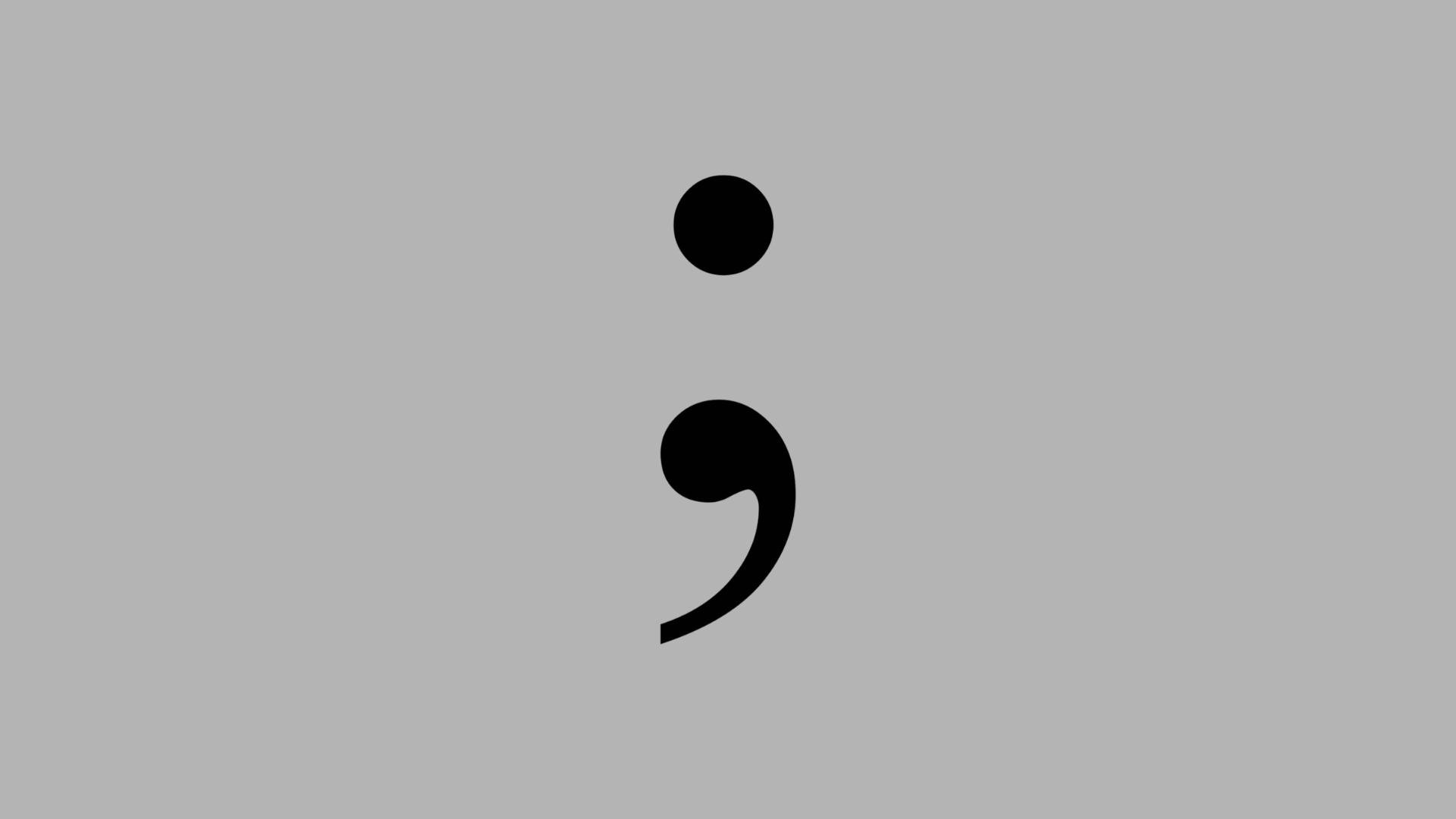
The semicolon is one of the most recognized symbols connected with mental health awareness and recovery. It represents the choice to continue a story even after facing difficult moments.
- Meaning: A semicolon shows a pause rather than an ending, symbolizing hope and the decision to keep going.
- Background: Amy Bleuel started Project Semicolon in 2013 after losing her father to suicide, using the symbol to represent continuing life after struggles.
- Where you see it: Wrists, ankles, and behind the ear, often small and deliberately subtle. Many people pair it with a butterfly, a flower, or a heartbeat line so it reads as art to strangers and as a marker to those who understand the story behind semicolon tattoos.
2. Green Ribbon
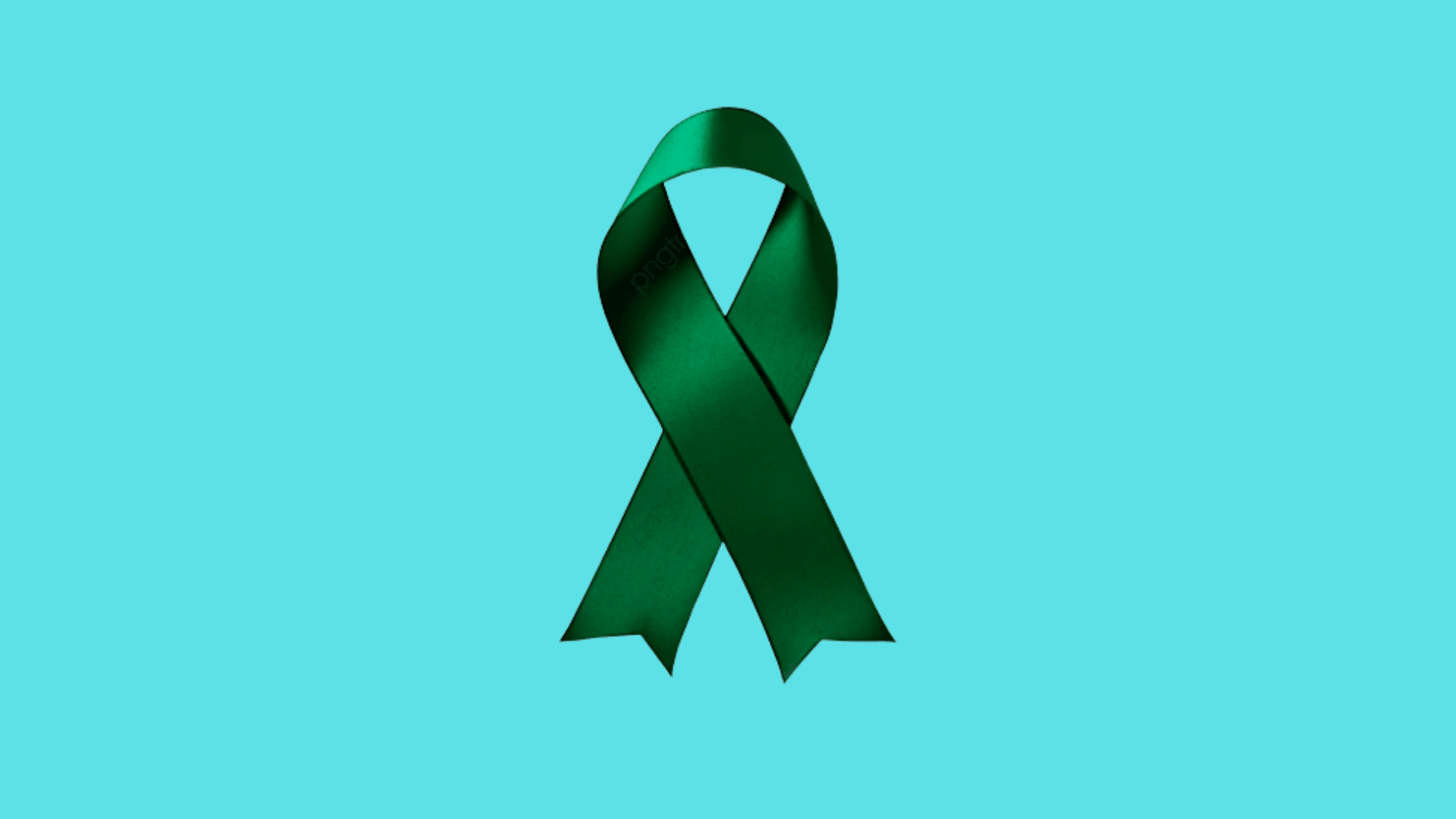
The green ribbon is a widely recognized symbol used to represent mental health awareness.
It helps show support for people experiencing mental health challenges and encourages more open discussions about emotional well-being.
- Meaning: Represents awareness and acceptance around mental health.
- When Used: Often seen during Mental Health Awareness Month in May.
- Background: It developed through awareness movements rather than being linked to one person or event.
- Connection: It follows the tradition of awareness ribbons, similar to the pink ribbon for breast cancer and the red ribbon for HIV/AIDS.
3. Lotus Flower
The lotus flower is often connected with ideas of growth, healing, and overcoming difficult experiences. Its journey from muddy water to a clean, open bloom has made it a powerful symbol in many cultures.
- Meaning: Represents resilience, personal growth, and the ability to rise above struggles.
- Cultural Connection: Buddhist and Hindu traditions associate the lotus with purity and moving beyond suffering.
- Mental Health Link: The mud can represent hardships or emotional challenges, while the flower reflects recovery, strength, and positive change.
4. Butterfly
The butterfly is often seen as a symbol of change, growth, and moving through difficult phases. Its transformation from a caterpillar into a butterfly reflects the idea that recovery can bring personal change over time.
- Meaning: Represents resilience, personal growth, and the ability to rise above struggles. The mud is the part people skip, and it matters, because it stands for how the body holds on to old stress long after the event has passed.
- Recovery Connection: Many people use the butterfly to represent mental health recovery, addiction recovery, or healing after loss.
- Personal Symbol: It is also a popular tattoo choice for marking important milestones, such as beginning therapy, reaching a recovery goal, or starting a new chapter in life.
5. Sunflower
The sunflower is often linked with positivity, hope, and the idea of looking toward brighter moments. Its habit of turning toward sunlight has made it a symbol of encouragement and emotional strength.
- Meaning: Represents hope, support, positivity, and resilience.
- Awareness Use: The Hidden Disabilities Sunflower program began at Gatwick Airport in 2016 to help identify invisible disabilities.
- Mental Health Connection: Sunflower lanyards may be used by people with invisible conditions, including some mental health challenges, to show that they may need extra patience or understanding in public spaces.
6. Phoenix
The phoenix is a symbol of rebuilding, change, and starting again after difficult experiences. Its story of rising from ashes makes it a powerful image for people who connect with personal transformation.
- Meaning: Represents renewal, strength, recovery, and a new beginning. The image borrows from an older idea of renewal after loss that shows up across religious and mythic writing.
- Recovery Connection: Many people choose it after major life challenges, such as a mental health crisis, a long period of depression, or overcoming serious struggles.
- Personal Symbol: Unlike everyday awareness symbols, the phoenix often marks a deeply personal turning point and a meaningful stage in someone’s recovery journey.
7. Anchor
An anchor is a simple symbol of stability and staying grounded during difficult moments. Like an anchor keeps a boat steady, it can represent finding balance and holding on during emotional challenges.
- Meaning: Represents stability, resilience, and a sense of control.
- Mental Health Connection: People may use it as a reminder to stay grounded during stressful periods or mental health struggles.
- Recovery Use: It is also linked with addiction recovery, where it can symbolize commitment, support, and the strength to keep moving forward.
8. Heart
The heart is one of the simplest symbols used to express care, kindness, and emotional support. Unlike some mental health symbols with specific histories, the heart carries a broad meaning that many people understand.
- Meaning: Represents compassion, self-care, love, and emotional connection.
- Mental Health Connection: It is often used to promote self-compassion and remind people to treat themselves with patience and understanding.
- Awareness Use: The heart appears widely in mental health content because it offers a simple way to show support without being linked to one specific movement or story.
9. Infinity Symbol
The infinity symbol is often connected with the idea of continuous growth and recovery. Its endless loop reflects the belief that healing can take time and does not follow a fixed path.
- Meaning: Represents ongoing progress, resilience, and the lasting nature of recovery.
- Mental Health Connection: Many people see healing as a lifelong process rather than a single moment or achievement.
- Personal Use: Infinity designs are sometimes combined with a semicolon to represent continuing life, personal strength, and a commitment to keep moving forward.
What Mental Health Recovery Symbols Represent?
Mental health recovery symbols often carry simple messages that reflect emotional progress, shared care, and the steady process of feeling better over time.
Hope
These symbols can remind people that difficult periods can change, better days are possible, and recovery can continue even when progress feels slow or uncertain.
Healing
A recovery symbol can reflect emotional repair, self-care, and the gradual work of moving through pain while building healthier ways to cope and respond each day.
Growth
Symbols linked with recovery can show personal change, new habits, stronger self-awareness, and the ability to learn from hard experiences without being defined by them.
Strength
These signs may represent courage, patience, and the inner effort needed to keep moving forward during setbacks, stress, or other emotionally difficult periods in recovery.
Support and Connection
Many symbols also show shared understanding, reminding communities that recovery can include care from friends, family, support groups, and people with similar experiences over time.
Ways Mental Health Symbols are Used to Promote Awareness
Symbols do their clearest work when they replace a conversation someone cannot start yet.
They appear in tattoos, jewelry, clothing, posters, and awareness materials, and they show up in social media campaigns, support groups, therapy rooms, and wellness spaces.
In practice, that looks like a few specific things:
- Employers hand out green ribbons and pins each May, when Mental Health Awareness Month gives HR teams a reason to raise the subject at all.
- Schools use hearts and sunflowers on wellness boards, where a symbol is easier for a student to point at than a feeling is to describe.
- Therapists keep a lotus or a plant in view, which sets a tone before anyone speaks.
- Individuals wear a semicolon or an anchor as a private reminder, and accept that a stranger may occasionally ask about it.
Conclusion
Symbols can hold meaning that feels personal, shared, or both. That meaning can change with time, culture, and lived experience, so context always matters.
A mental health symbol does not need one fixed meaning to have value. What matters most is understanding where it comes from and using it with care.
For some people, a symbol becomes part of how they see their progress or identity.
For others, it may simply offer a quiet sense of recognition. In the end, these signs are most meaningful when their stories are respected rather than assumed.
Frequently Asked Questions
Can Mental Health Symbols Be Used in Schools?
Yes. Schools may use simple symbols in wellness boards, student projects, or quiet spaces. The design should suit the age group and avoid messages that could be misunderstood or upsetting.
Why Do Some People Prefer Symbols Instead of Mental Health Labels?
A symbol can feel less direct than a label. It may let someone express an idea without naming a condition or sharing private details they would rather keep personal.
Can a Mental Health Symbol Lose Meaning When it Becomes a Trend?
It can. Heavy use in fashion or online trends may separate a symbol from its original purpose. Learning its background before using it can help keep its meaning respectful.