
If your face shines by noon, you may have wondered whether vitamin C is worth using. It can be, but a vitamin C serum for oily skin needs the right base and a few smart ingredient checks.
The right formula should feel light, absorb quickly, and avoid ingredients that may clog pores or make the skin feel greasy.
This blog compares lightweight gel formulas, acne-friendly picks, and key label details to help you choose the right serum before buying.
Is Vitamin C Serum Good for Oily Skin?
Yes, as long as the formula is lightweight and non-comedogenic. The wrong base, not the vitamin C itself, is usually what causes problems.
Oily skin produces more sebum, which affects how a product spreads and absorbs.
A gel or water-based formula avoids the greasy layer a heavier one can leave behind, and building a full oily skin routine around it helps just as much as the serum choice itself.
Starting with a moderate strength lowers the risk of dryness and irritation on oily or acne-prone skin. For a sense of how that gradual improvement plays out, this real results timeline breaks it down stage by stage.
How to Choose a Vitamin C Serum for Oily Skin
The right serum should support brighter skin without adding extra shine or blocking pores.
Check the texture, strength, and supporting ingredients before buying. For a broader stage-by-stage view of what to expect, this before and after comparison covers the general timeline.
- Choose a light base: Pick a water-based or gel formula that absorbs quickly.
- Check the strength: Look for 10% to 15% vitamin C.
- Choose non-comedogenic formulas: These are less likely to block pores.
- Look for light hydration: Hyaluronic acid or glycerin adds moisture without heaviness.
- Avoid rich oils: Thick formulas may increase shine and feel greasy.
- Limit irritating ingredients: Avoid strong fragrance and harsh drying alcohols, and anyone also targeting early lines can check what suits skin prone to fine lines instead.
- Check the packaging: Dark, airtight bottles help keep vitamin C stable.
Top Vitamin C Serum for Oily Skin
These vitamin C serums suit different budgets, skin concerns, and experience levels. Comparing their strength, texture, and supporting ingredients makes it easier to find the right option for oily skin.
1. CeraVe Skin Renewing Vitamin C Serum
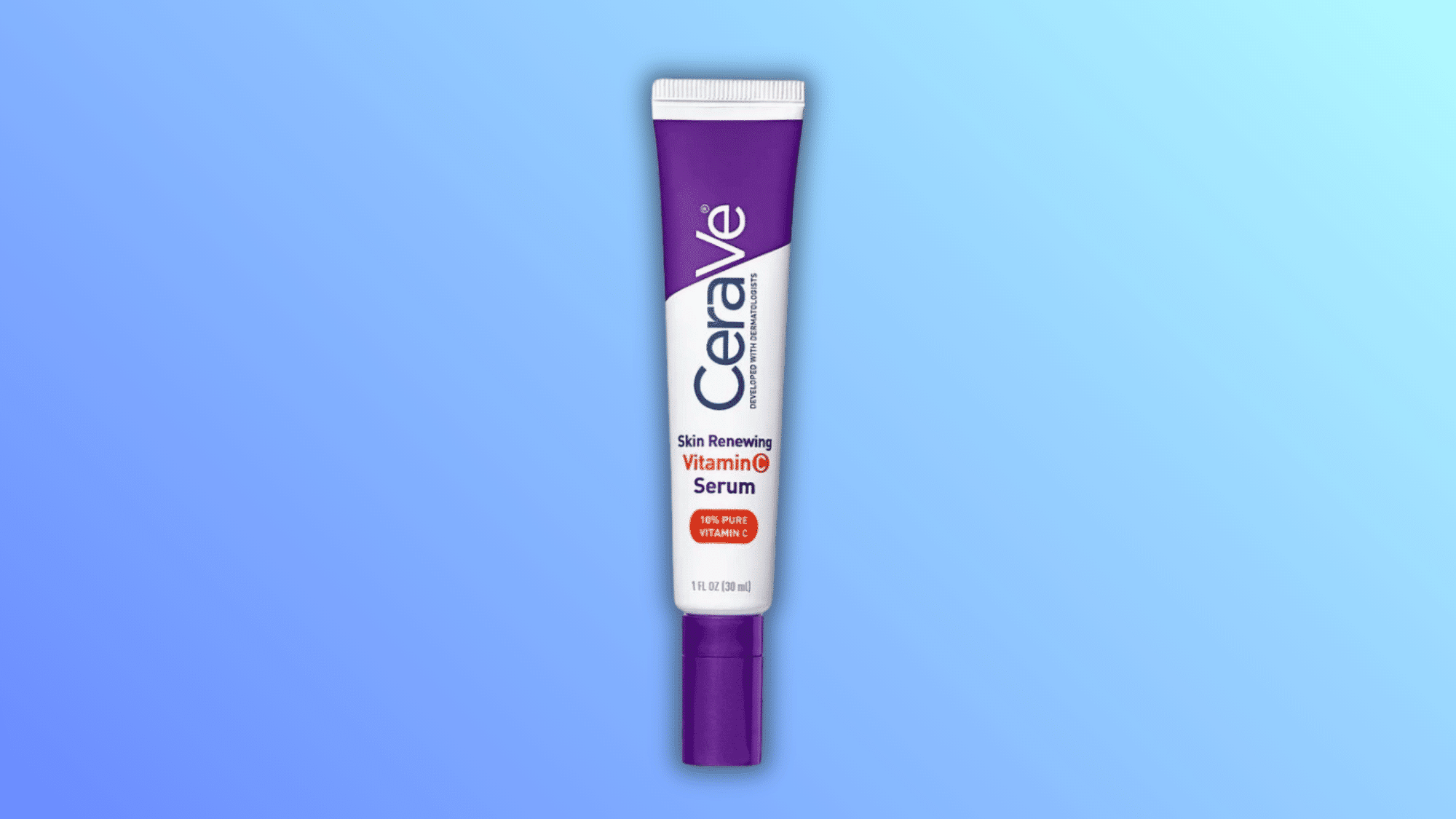
- Key Ingredients: 10% L-ascorbic acid, ceramides, and hyaluronic acid
- Price: $28.99
- Suitable for: Beginners and sensitive oily skin
CeraVe is a practical starting point for people new to vitamin C. Its moderate 10% strength may feel easier to tolerate than stronger formulas, and it slots easily into a nighttime skincare routine for anyone easing into actives.
Ceramides and hyaluronic acid help support hydration without leaving a rich or oily layer. It is also widely available and usually falls within the affordable drugstore range.
2. Naturium Vitamin C Complex Serum
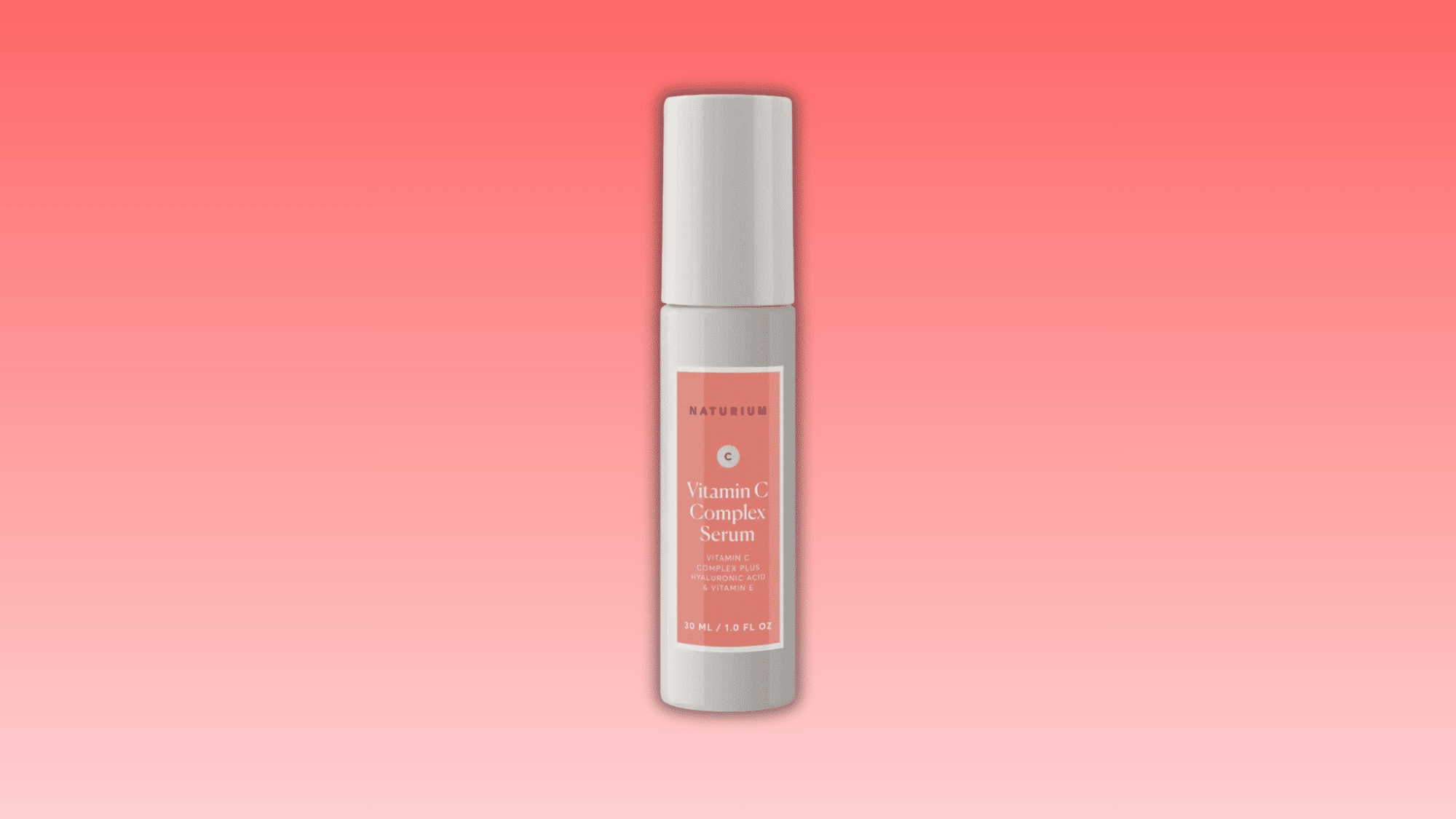
- Key Ingredients: Vitamin C complex and supporting antioxidants
- Price: $21
- Suitable for: Daily brightening and oily skin accustomed to active ingredients
Naturium is a lower-cost option for people who want a daily brightening serum. Its formula may suit oily skin that already handles active ingredients well.
It can be a useful step up from beginner formulas without moving into a premium price range. Reactive or acne-prone skin should still start with a few applications each week.
3. Paula’s Choice C15 Super Booster
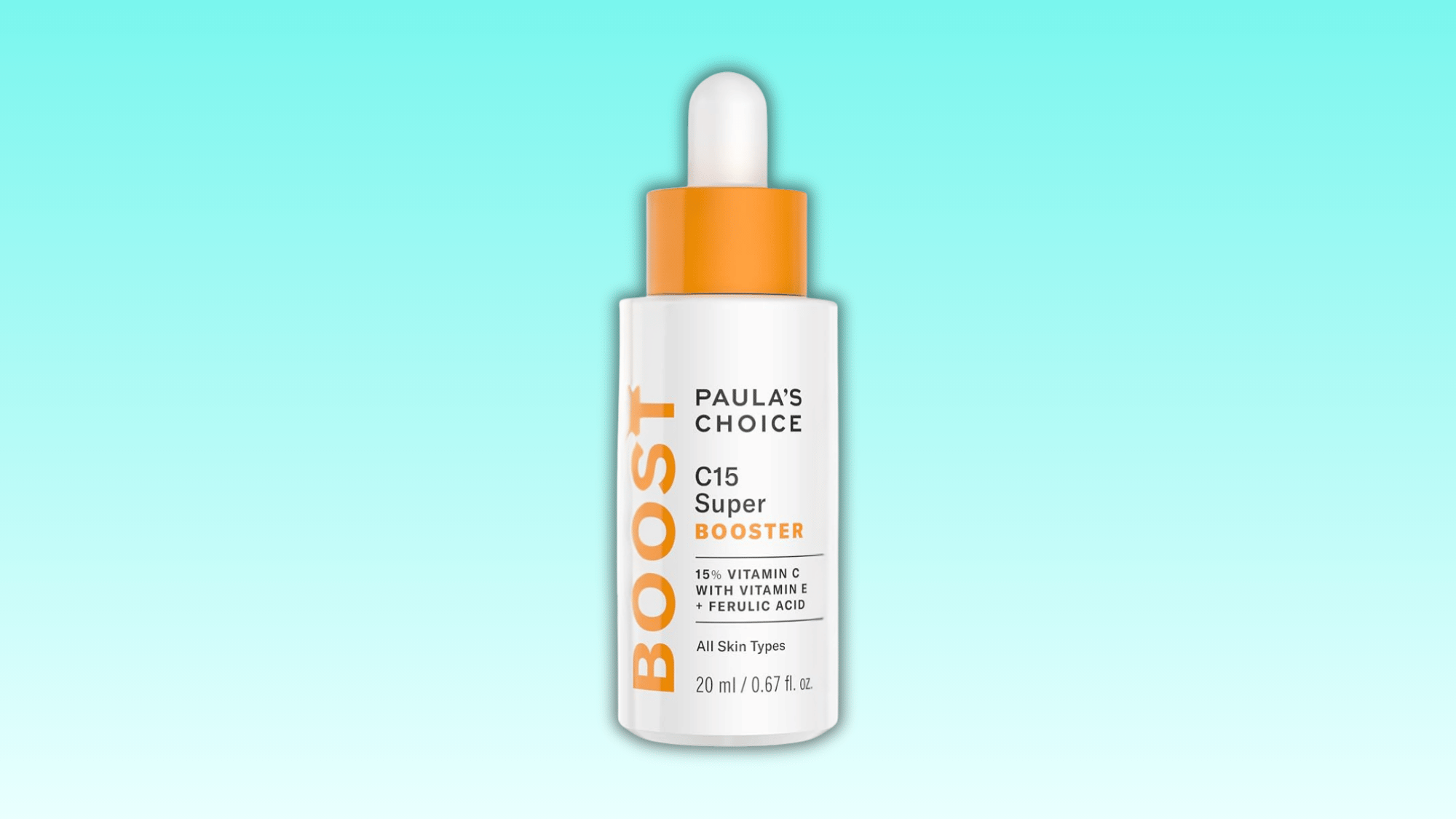
- Key Ingredients: 15% L-ascorbic acid, vitamin E, and ferulic acid
- Price: $55
- Suitable for: Experienced users who prefer a lightweight texture
Paula’s Choice offers a stronger vitamin C concentration in a thin booster formula. It absorbs more easily than heavy creams and may suit oily skin that dislikes greasy layers.
Vitamin E and ferulic acid support the antioxidant blend. However, the 15% strength may feel too active for highly sensitive or easily irritated skin.
4. SkinCeuticals Silymarin CF
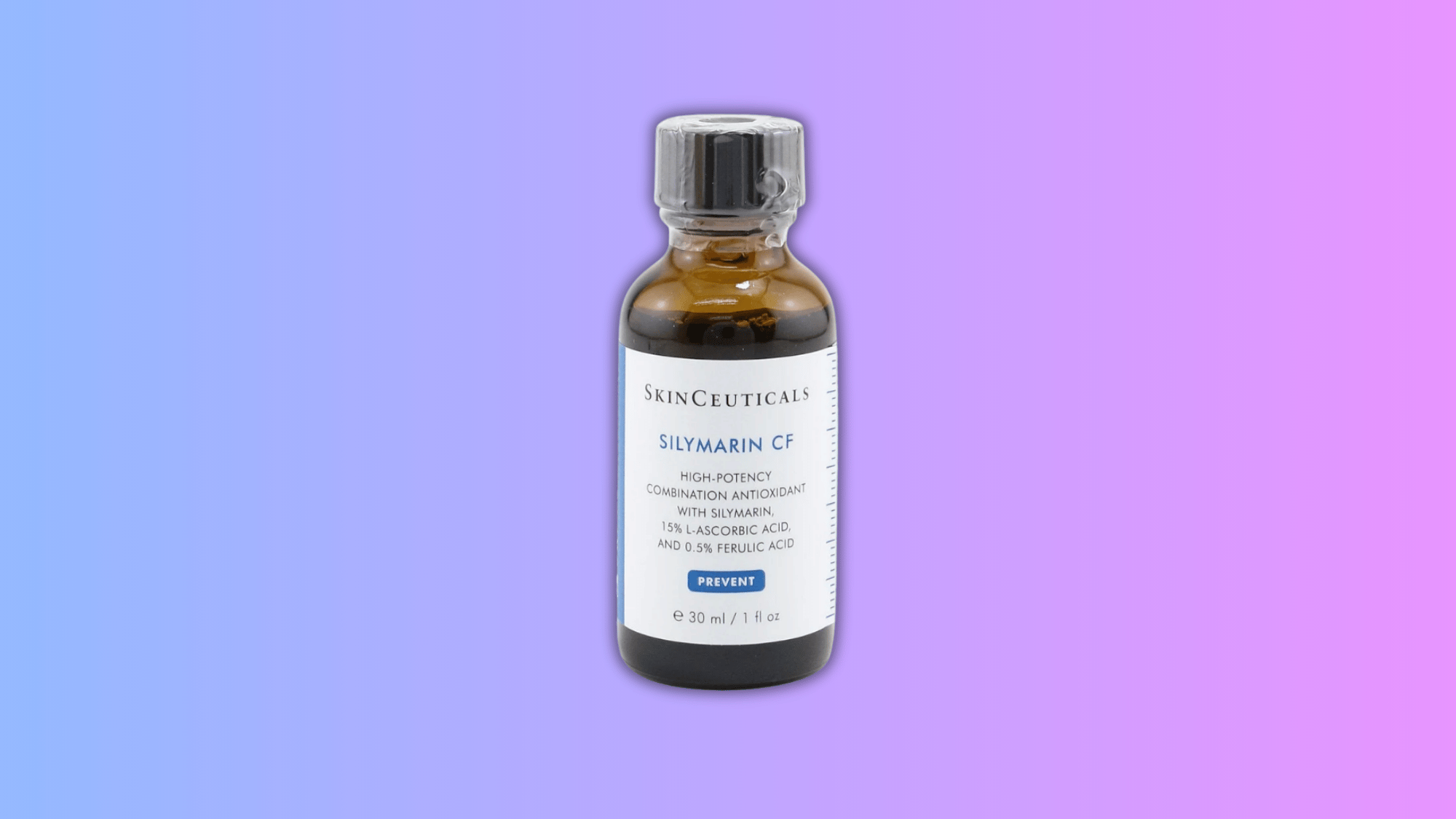
- Key Ingredients: 15% L-ascorbic acid, silymarin, ferulic acid, and salicylic acid
- Price: $185
- Suitable for: Oily and blemish-prone skin
SkinCeuticals Silymarin CF is made with oily and acne-prone skin in mind. Silymarin and salicylic acid make it more targeted toward excess oil and frequent breakouts.
Its lightweight formula provides antioxidant support without a rich finish. The main drawback is its higher price compared with the other products.
5. Ole Henriksen Banana Bright Vitamin C Serum
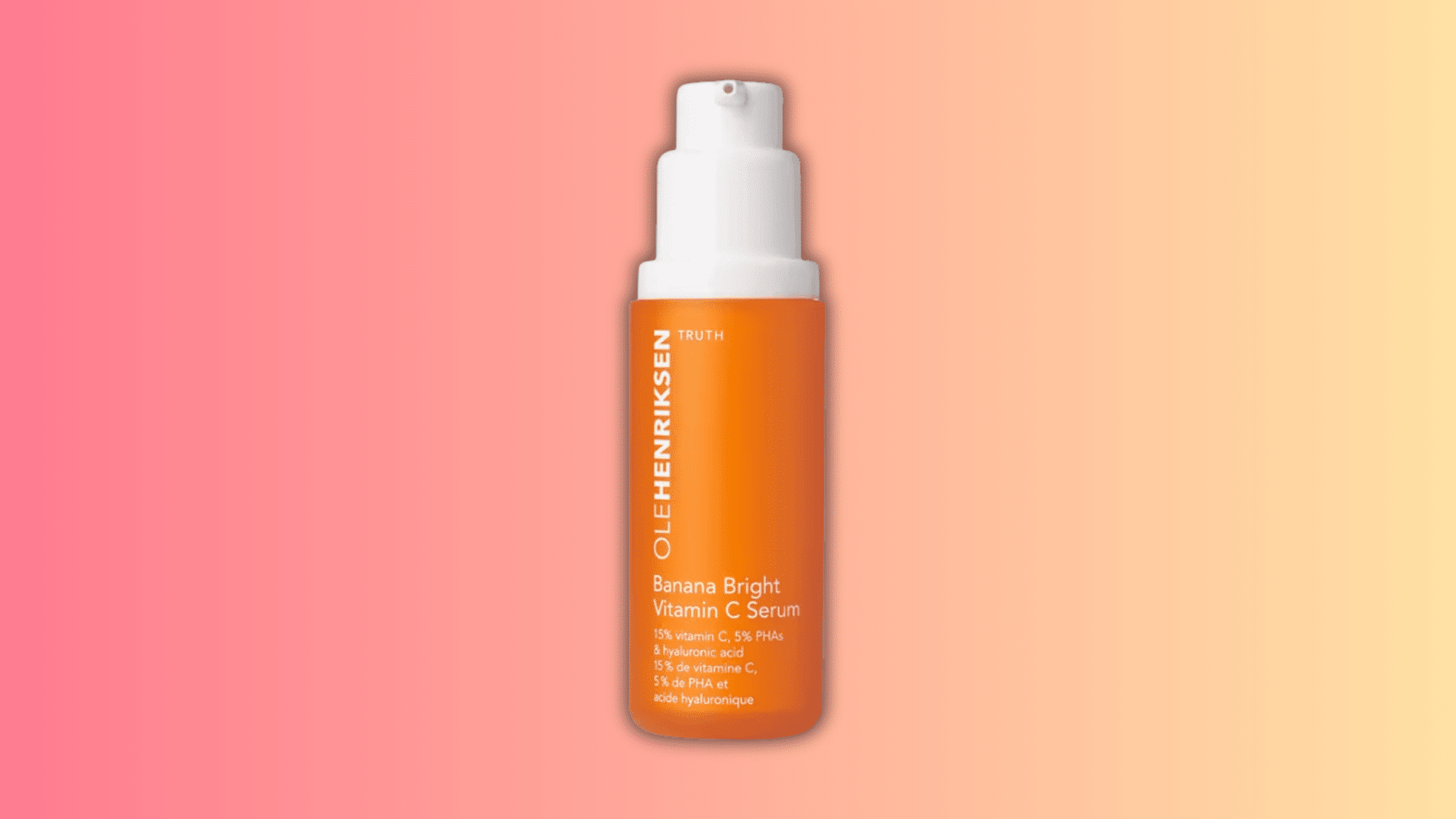
- Key Ingredients: Vitamin C derivatives and brightening ingredients
- Price: $70
- Suitable for: Dull oily-to-combination skin
Ole Henriksen focuses on brightness, uneven tone, and a more radiant appearance. Its lightweight texture may suit oily-to-combination skin that wants one of the more popular vitamins for glow in a gel format.
People with reactive acne or fragrance sensitivity should check the full ingredient list first. A patch test can help reduce the chance of irritation.
How to Use Vitamin C Serum on Oily Skin for Best Results
Following the correct routine helps vitamin C absorb better and reduces the chance of excess shine or irritation. These simple steps can help oily skin get the most benefit from the serum.
- Cleanse your face: Wash with a gentle cleanser and pat the skin dry.
- Apply the serum: Use two to three drops of a vitamin C serum for oily skin.
- Spread it evenly: Gently press the serum across the face and neck.
- Let it absorb: Wait about one minute before applying the next product.
- Use moisturizer: Follow with a lightweight, oil-free moisturizer.
- Apply sunscreen: Finish the morning routine with broad-spectrum sunscreen, a daily habit central to most K-beauty standards.
- Start slowly: Use it every other day if the skin feels dry or irritated.
- Check results later: Give the serum two to four weeks before judging changes.
Wrapping It Up
Oily skin can still benefit from vitamin C when the formula feels light and absorbs without leaving a greasy layer.
Water-based textures and balanced supporting ingredients usually make daily use more comfortable.
The best choice depends on how sensitive the skin is, how often breakouts appear, and how much experience someone has with active ingredients.
Beginners may do better with a moderate strength, while tolerant skin can handle stronger formulas. Give the serum enough time to show how it works before switching products.
Watch for changes in brightness, texture, oiliness, and irritation, then adjust the strength or frequency based on the skin’s response.
Frequently Asked Questions
Which Vitamin C Type Works Best for Oily Skin?
Stable derivatives like ascorbyl glucoside or THD ascorbate tend to feel lighter than pure L-ascorbic acid, making them easier for oily or acne-prone skin to tolerate.
Which is Better for Oily Skin, Vitamin C or Salicylic Acid?
They have different roles. Vitamin C focuses on brightening and antioxidant protection, while salicylic acid helps unclog pores and reduce breakouts. Many people benefit from using both in separate routines.
What Goes First, Vitamin C or Salicylic Acid?
If using both together, apply the thinner, water-based product first. Many skincare routines place vitamin C in the morning and salicylic acid at night to reduce irritation.
What Should You Never Mix with Salicylic Acid?
Avoid combining salicylic acid with multiple strong exfoliating acids or high-strength retinoids in the same routine. This may increase dryness, peeling, and skin irritation.
Does Vitamin C Help with Acne?
Vitamin C does not treat acne directly, but it may help reduce the appearance of post-acne marks and redness. It also provides antioxidant protection that supports healthier-looking skin.