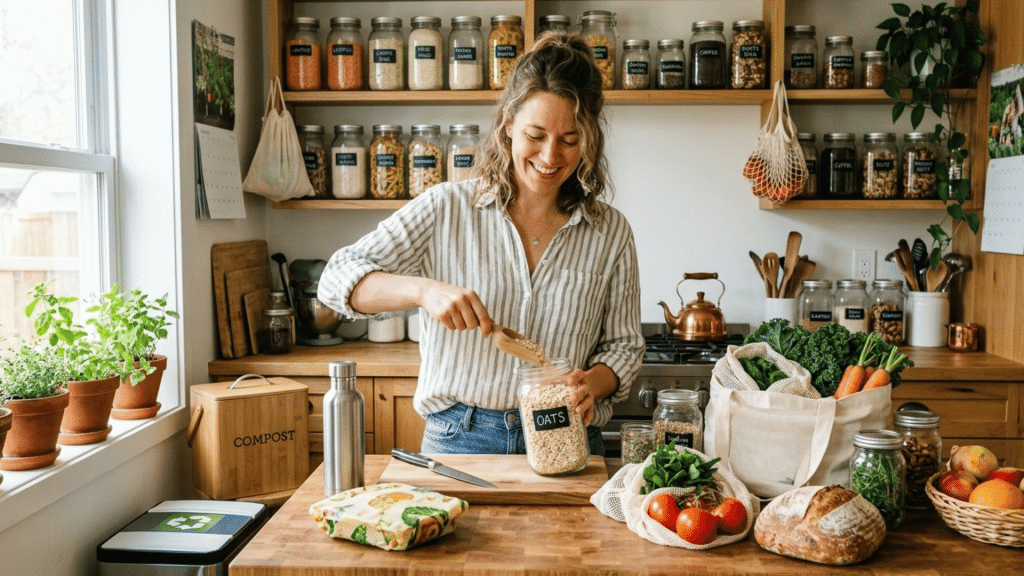
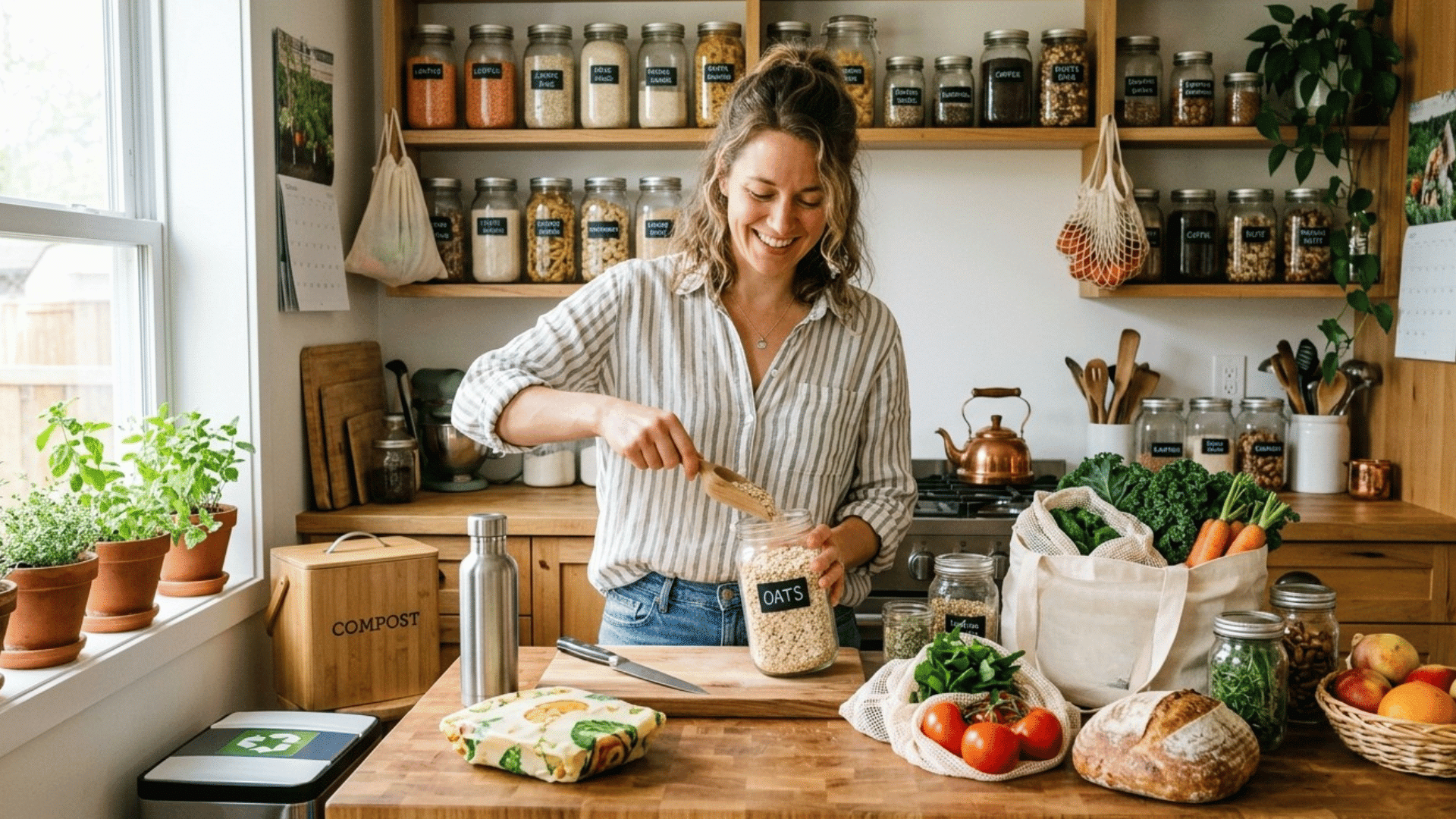
Most people generate far more waste than they realize without giving it a second thought. A plastic bag here, a disposable cup there, it adds up faster than expected.
The bright spot is that reducing waste does not require a dramatic life overhaul. Small, consistent choices made daily can create a real and lasting difference over time.
A zero waste lifestyle is not about being perfect or giving up everything you enjoy. It is about being more aware of what you consume and what you throw away.
This guide breaks down exactly how to get started in a practical, stress-free way. From your kitchen to your bathroom, every room and habit is clearly covered here.
What is a Zero Waste Lifestyle?
A zero waste lifestyle focuses on reducing the amount of waste sent to landfills by making simple, mindful choices in daily life. It follows a clear idea: use less, reuse more, and avoid unnecessary trash wherever possible.
Instead of throwing things away without thinking, you aim to buy less, reuse what you already have, recycle when needed, and compost organic waste, such as food scraps.
This approach helps reduce pollution and better use available resources. It doesn’t require perfection or drastic changes overnight.
The goal is to be more aware of your habits and make small, practical improvements that lead to less waste over time.
How Waste Impacts the Environment?
Before starting a zero waste lifestyle, it’s important to understand why it truly matters. Here’s how waste impacts the environment and daily life:
- Landfills and Environmental Pollution: Waste that ends up in landfills breaks down slowly, releasing harmful gases such as methane that contribute to pollution and climate change.
- Plastic and Its Impact on Wildlife: A large amount of plastic waste reaches oceans and natural habitats, where animals can ingest it or get trapped, leading to serious harm.
- Overuse of Natural Resources: Producing new items repeatedly consumes raw materials, energy, and water, depleting resources much faster.
- Air and Water Quality Concerns: Improper waste disposal and burning can release toxins into the air and water, affecting human health and ecosystems.
Small Changes that Make Zero Waste Living Easy
Starting a zero waste lifestyle doesn’t have to feel overwhelming. With a few simple changes and mindful habits, you can gradually reduce waste and build a more sustainable routine in your everyday life.
Step 1: Start With What You Already Have
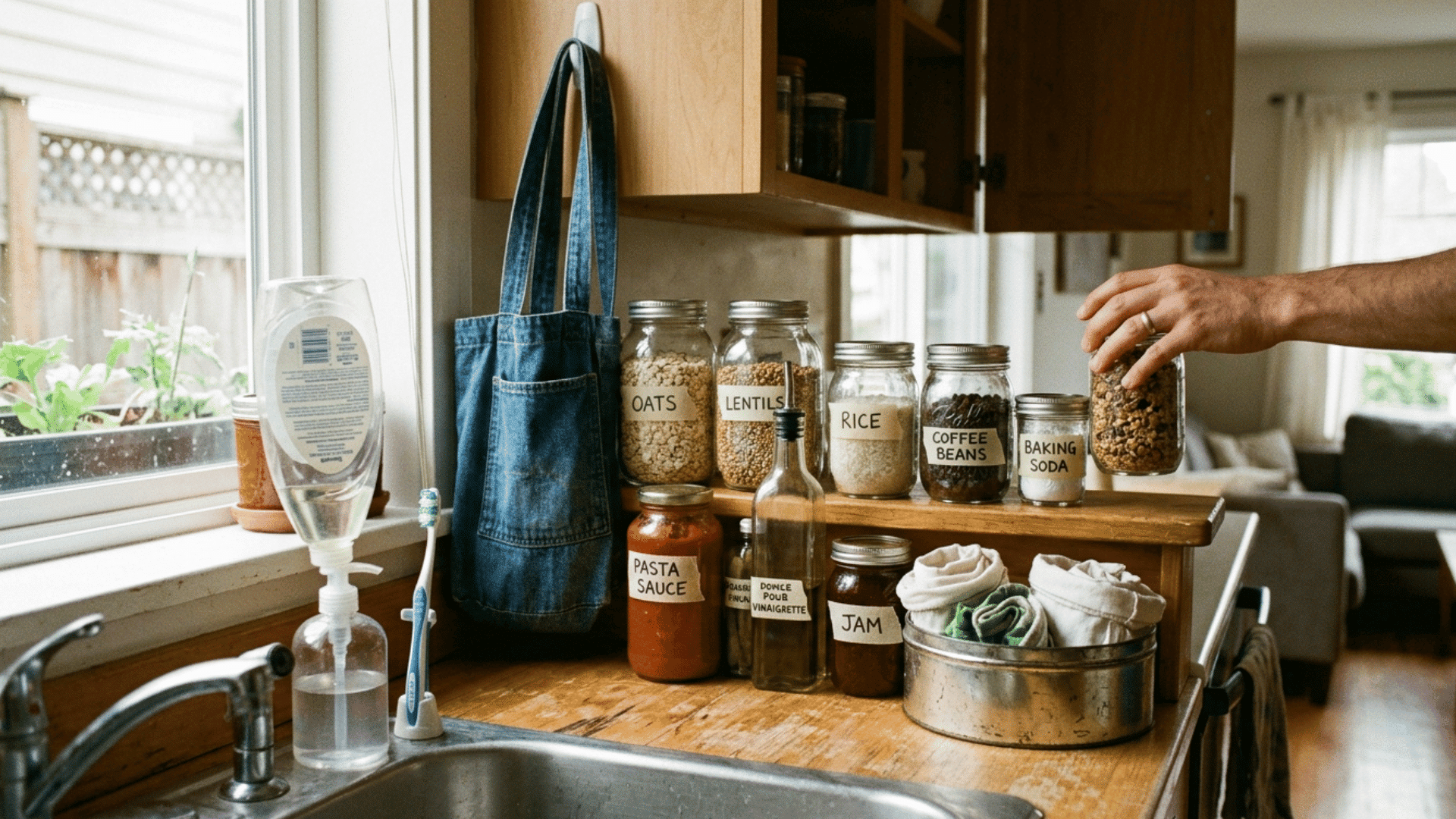
Begin your zero waste path by using items you already have at home. There’s no need to buy new “eco-friendly” products right away.
Finish current products, reuse containers like jars, and repurpose old items for storage or daily use. This approach saves money and avoids creating extra waste.
Starting this way also helps build a mindful habit of using things fully before replacing them, which is a key part of a zero waste lifestyle.
Step 2: Cut Down On Single-Use Items
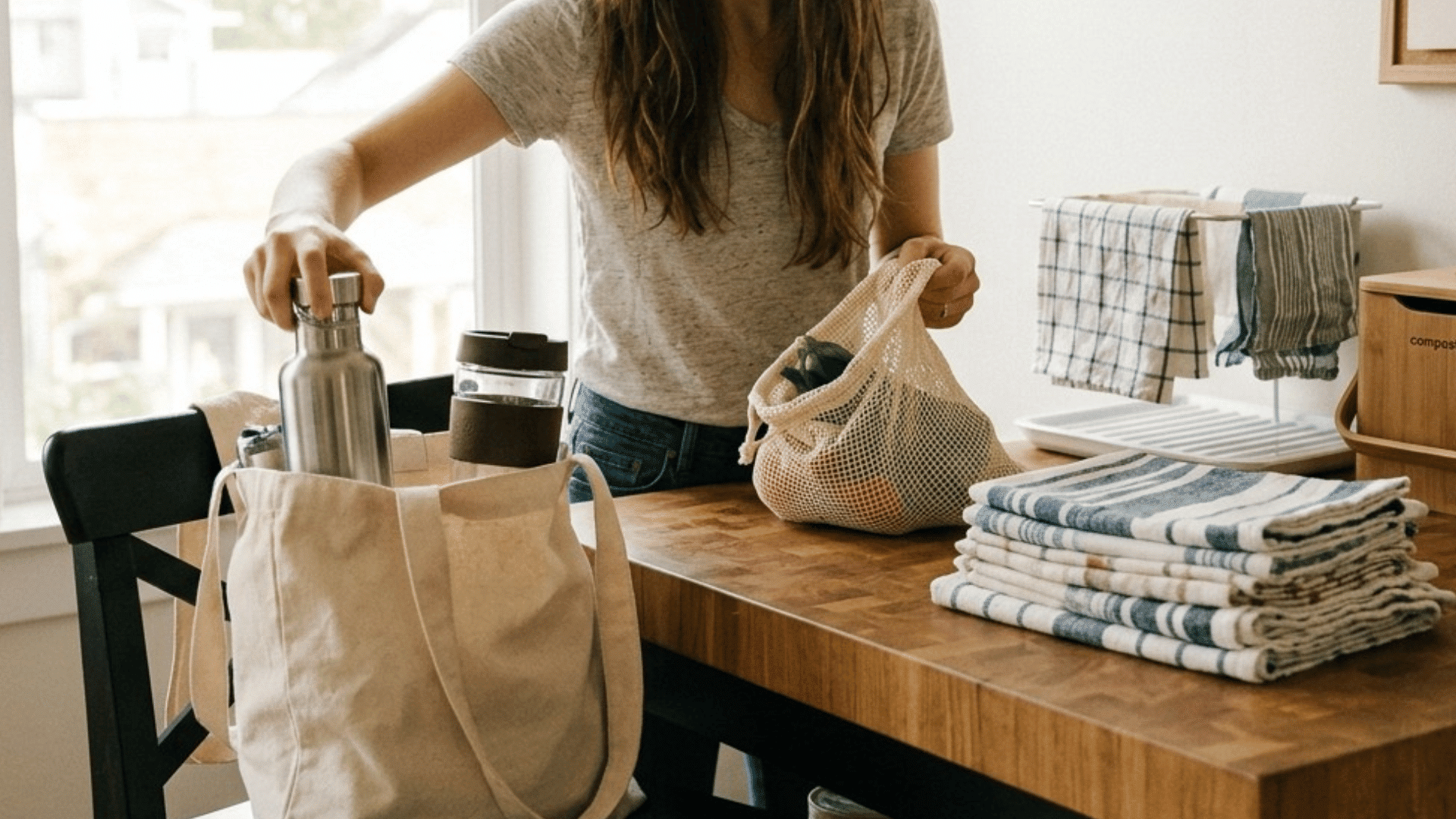
Single-use products are one of the biggest sources of daily waste. Focus on reducing items like plastic bags, disposable cups, and paper towels.
Simple swaps can make a big difference, such as carrying a reusable water bottle or using cloth towels instead of paper ones.
These changes may seem small, but they quickly reduce the amount of trash you produce and help build long-term sustainable habits.
Step 3: Build a Basic Reusable Kit
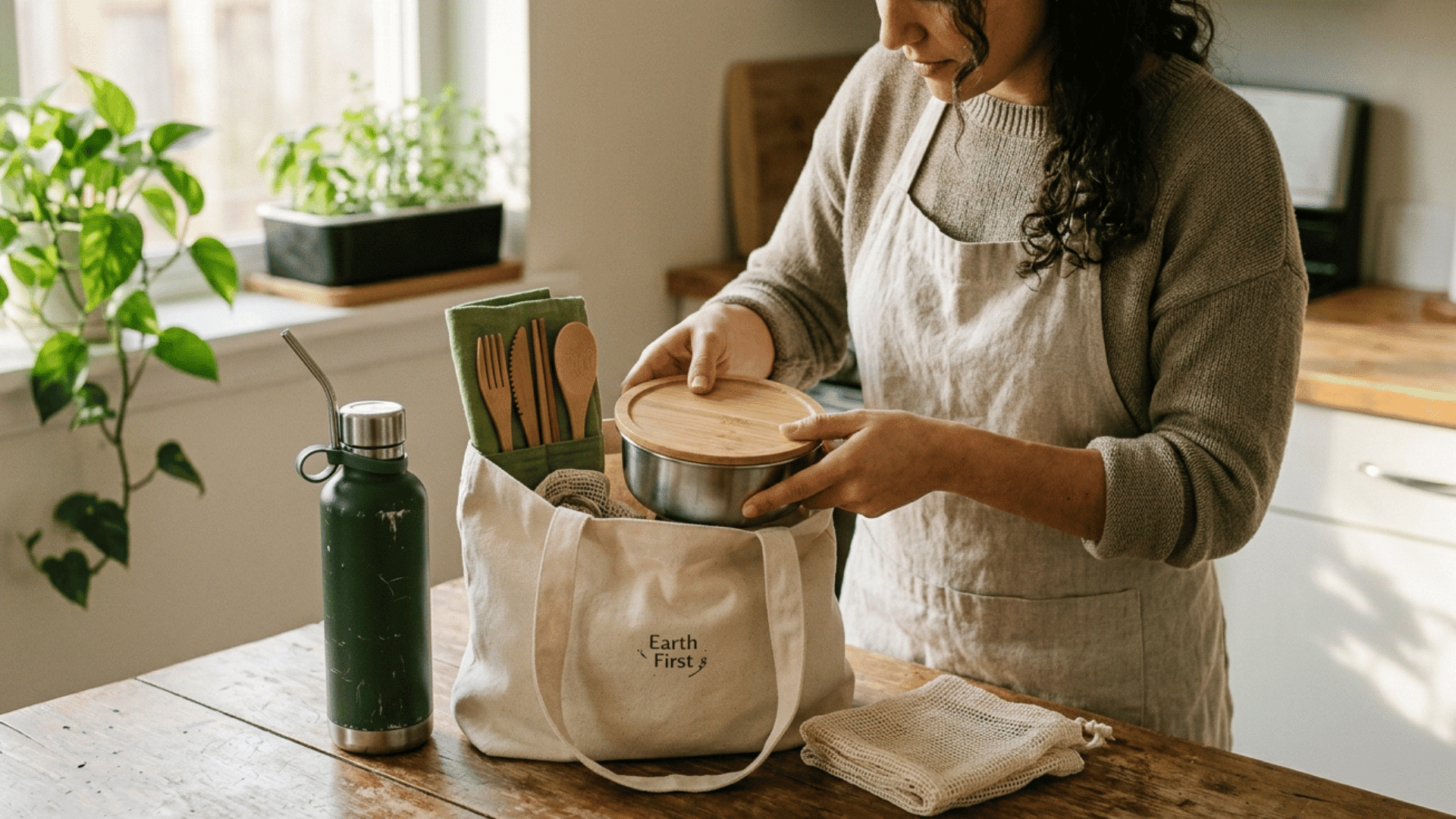
Creating a small reusable kit can make zero waste living much easier. Include essentials such as a cloth bag, a water bottle, reusable cutlery, and a food container.
Keep these items in your bag or car so they are always available when needed.
Having these ready helps avoid last-minute use of disposable products and makes it easier to stick to low-waste habits during busy days.
Step 4: Shop With More Awareness

Being mindful while shopping plays a big role in reducing waste. Before buying anything, pause and ask if it’s really needed or if there’s an alternative.
Choose products with minimal packaging, buy in bulk when possible, and support local sellers. This habit reduces unnecessary consumption and helps prevent waste before it even enters your home.
Step 5: Start Composting Food Waste
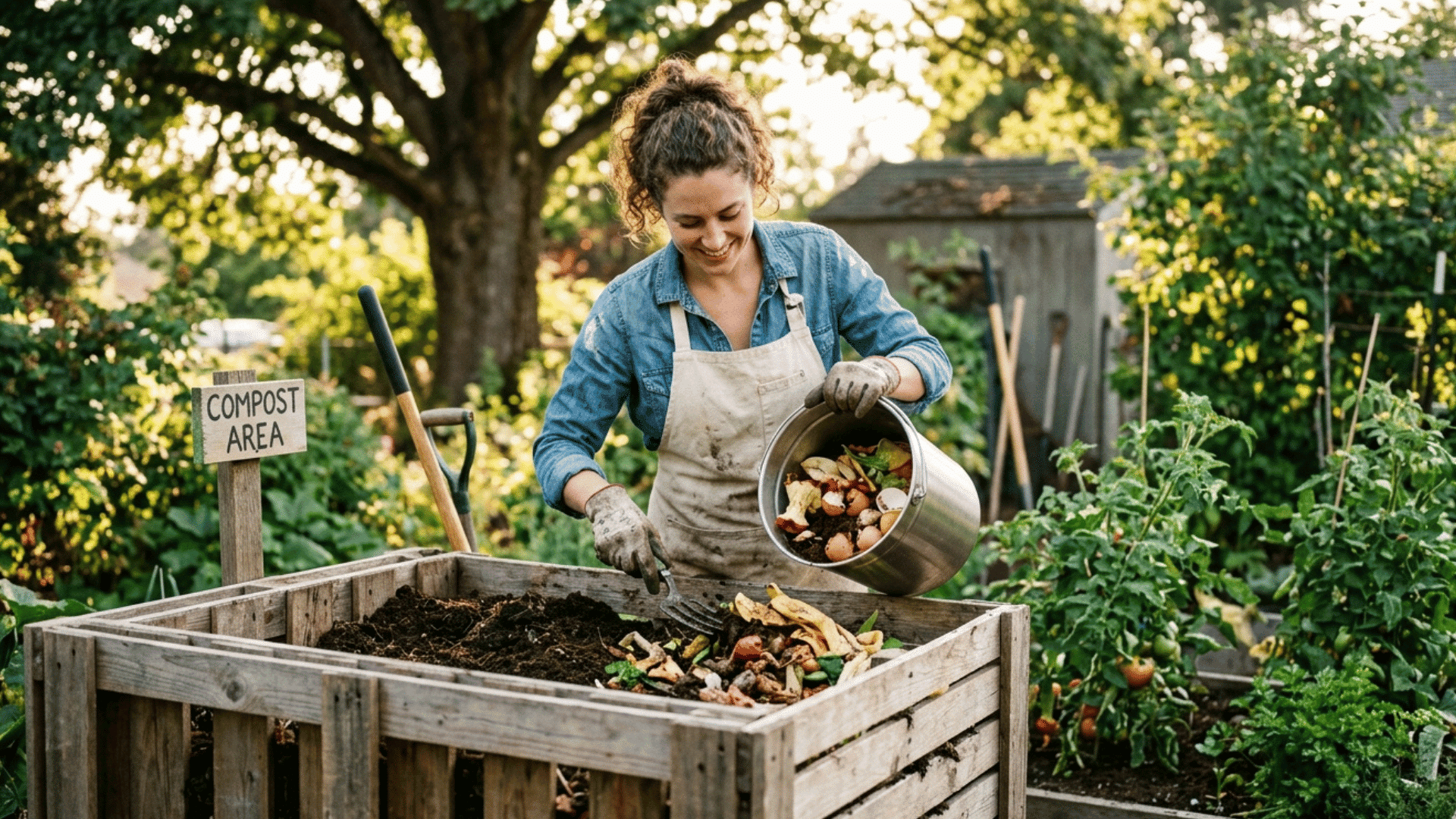
A large portion of household waste comes from food scraps. Composting is a simple way to manage this.
You can start small by collecting fruit peels, vegetable scraps, and coffee grounds. Even a basic compost setup can turn waste into useful soil.
This reduces the amount of trash sent to landfills and supports a more sustainable way of handling organic waste.
Step 6: Switch To Low-Waste Personal Care
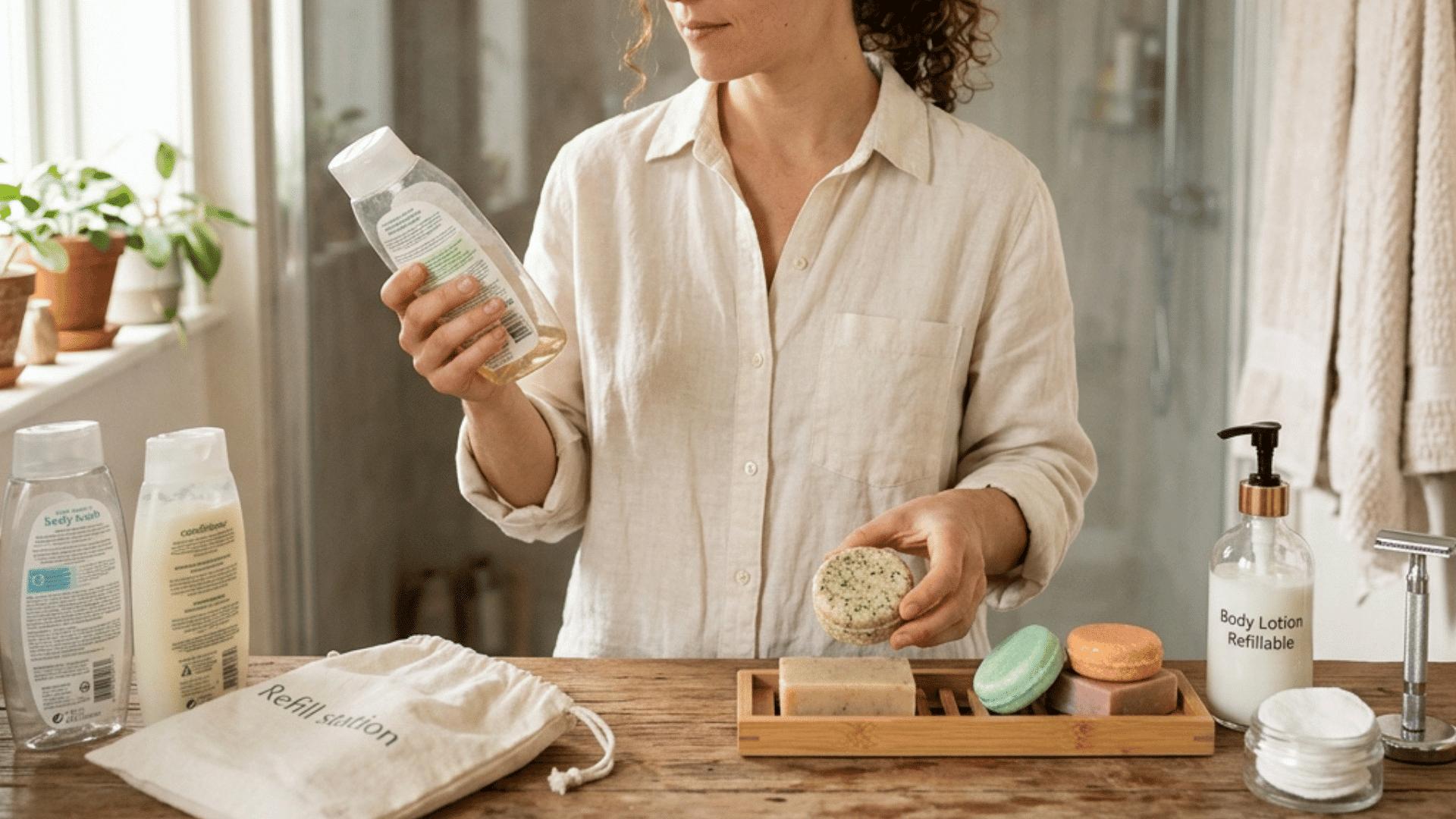
Many everyday personal care products come in plastic packaging. Start replacing them slowly with low-waste options like bar soap, shampoo bars, or refillable containers.
There’s no need to change everything at once; switch one product at a time as you run out of the old ones. This gradual approach keeps things manageable and avoids unnecessary waste.
Step 7: Learn to Say No to Unnecessary Items
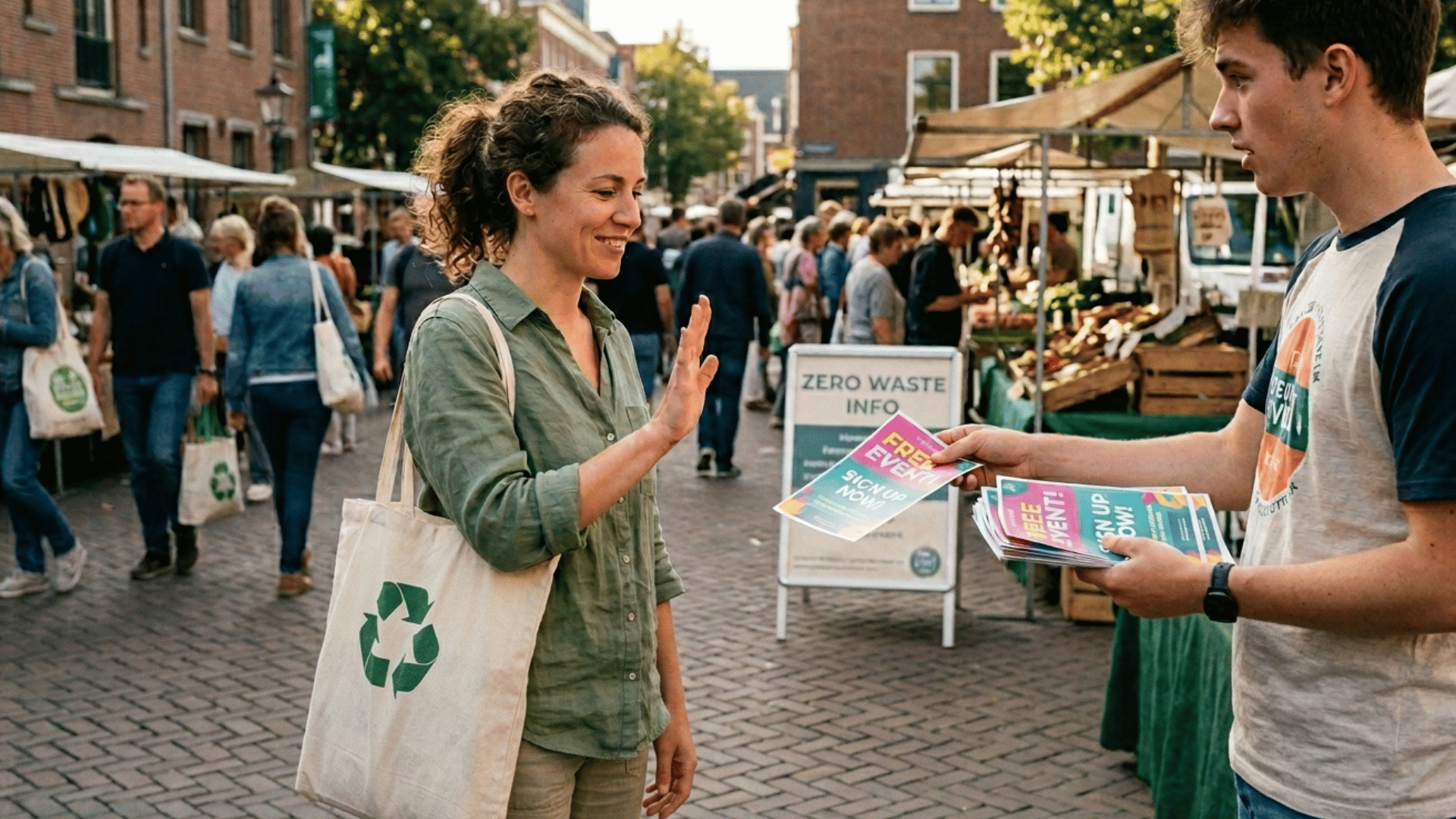
One of the easiest steps is simply learning to refuse items you don’t need. This includes things like free flyers, extra packaging, or disposable freebies.
By saying no, you prevent waste from entering your life in the first place. Over time, this habit becomes natural and helps you stay consistent with a zero waste lifestyle.
Room-by-Room Guide to Zero Waste Living
Creating a zero waste home becomes easier when you focus on one space at a time. From the kitchen to the bathroom, small changes in each room can help reduce waste and build better everyday habits.
1. Kitchen
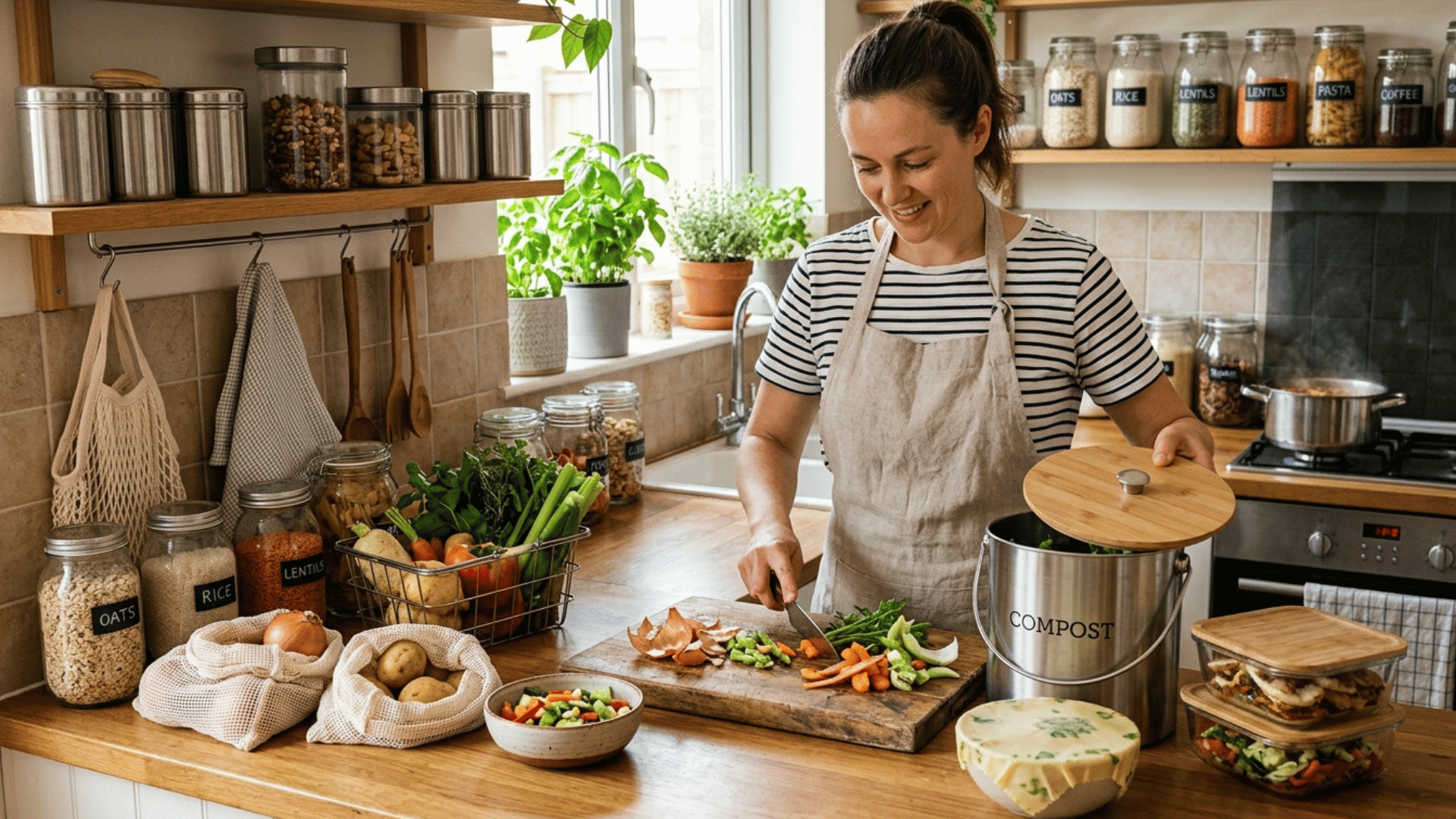
The kitchen is where most household waste begins, making it the best and most impactful place to start.
- The kitchen is one of the biggest sources of household waste, mainly from plastic wrap and food scraps.
- Switching to reusable containers instead of single-use wraps can make a big difference.
- Composting food waste, such as vegetable peels and leftovers, helps reduce what ends up in the trash.
- Small changes in storage and cooking habits can quickly turn your kitchen into a low-waste space.
2. Bathroom
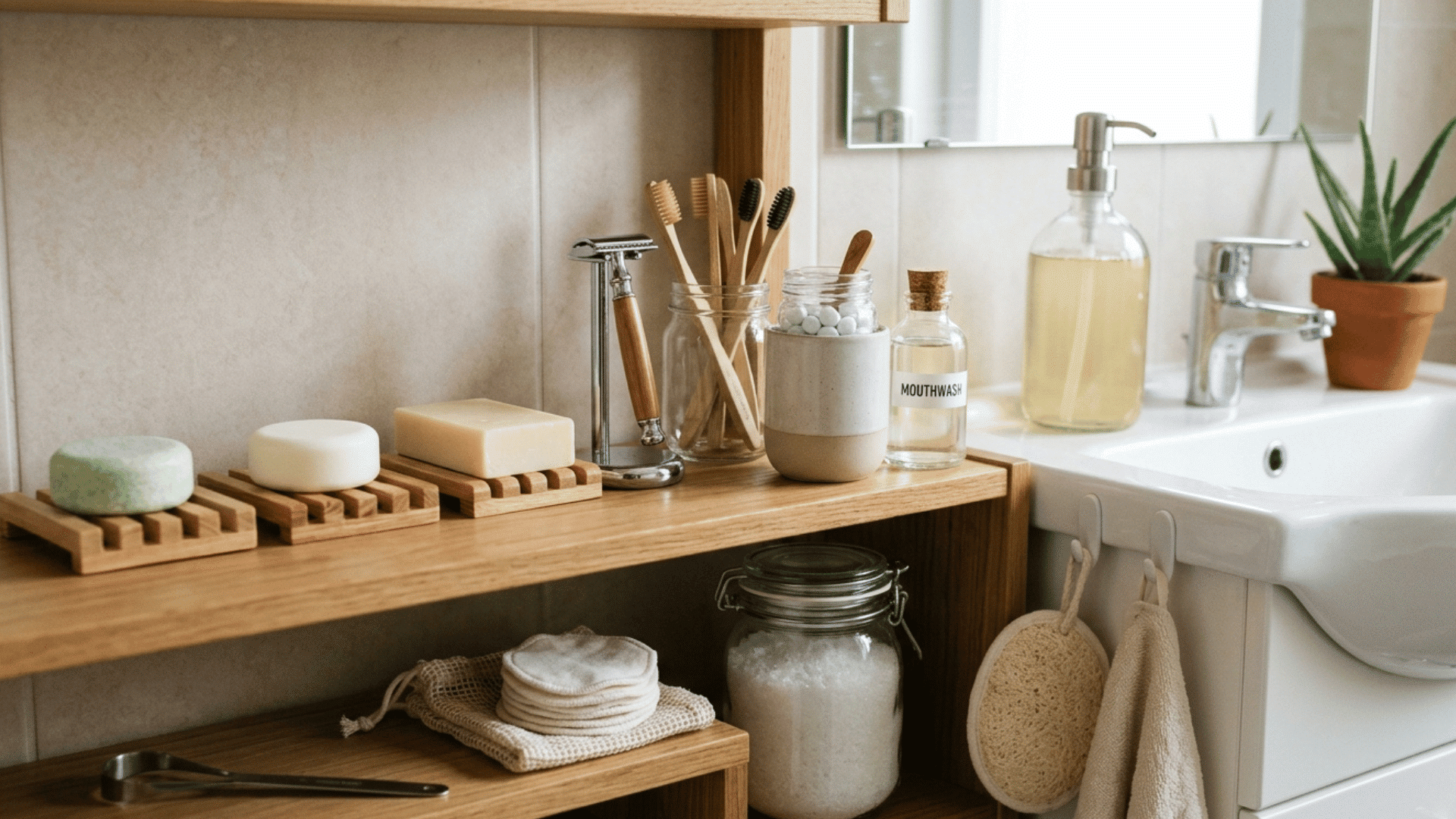
The bathroom holds more waste potential than most people realize, mostly from the personal care products they use every day.
- Bathrooms often generate waste through plastic bottles and disposable products.
- Items like shampoo, body wash, and razors are usually packaged for single use.
- Switching to bar soap, shampoo bars, and safety razors can significantly reduce this waste.
- These alternatives last longer and create less trash, making your daily routine more low-waste.
3. Bedroom
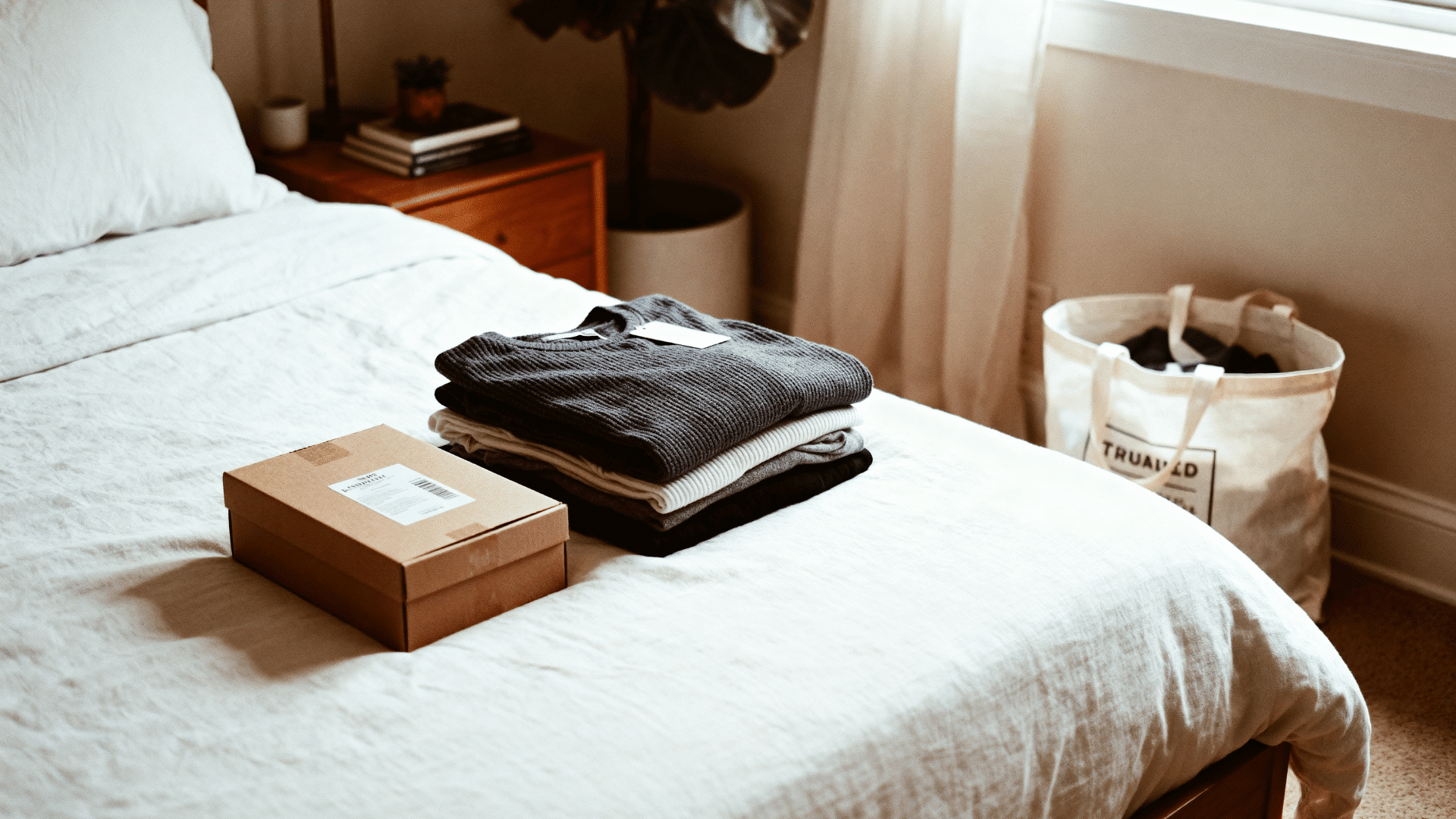
The bedroom may seem harmless, but clothing habits and excess packaging quietly add up to significant waste over time.
- Fast fashion is one of the leading causes of growing landfill waste worldwide.
- Buying clothes frequently and discarding them quickly makes this problem significantly worse.
- Choosing thrifted or second-hand clothing is a practical and affordable way to reduce this impact.
- Picking items with minimal packaging keeps waste low and your space neat and organized.
4. Living Room
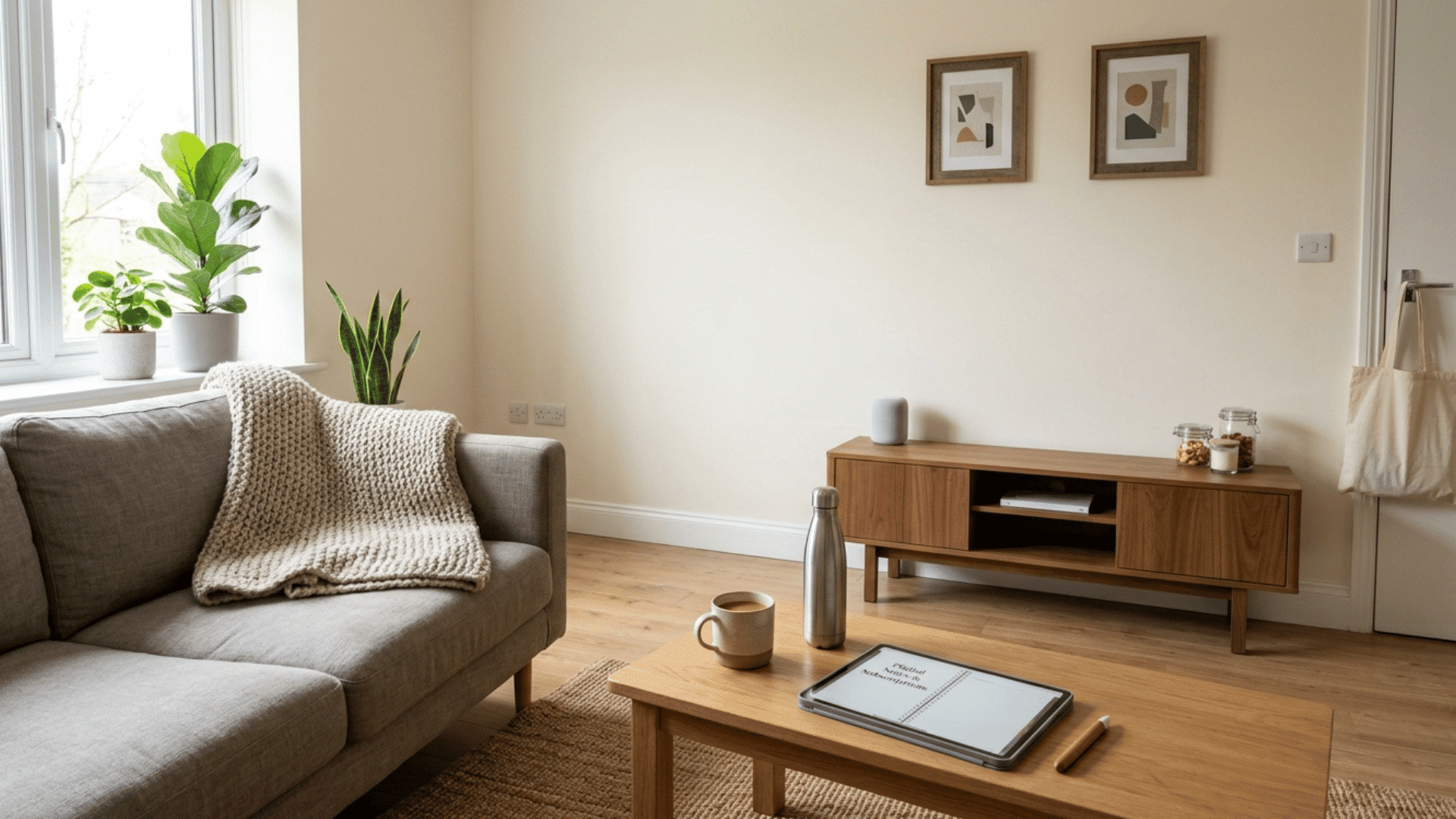
The living room often accumulates clutter and paper waste, which can be reduced with just a few simple, practical shifts.
- Paper clutter from magazines, bills, and printed notes builds up faster than most people realize.
- Going digital with subscriptions, notes, and bills instantly removes a major source of paper waste.
- Choosing reusable and long-lasting decor reduces the need to frequently replace and discard items.
- Keeping things simple and intentional supports a cleaner and more mindful living environment daily.
5. Laundry Area
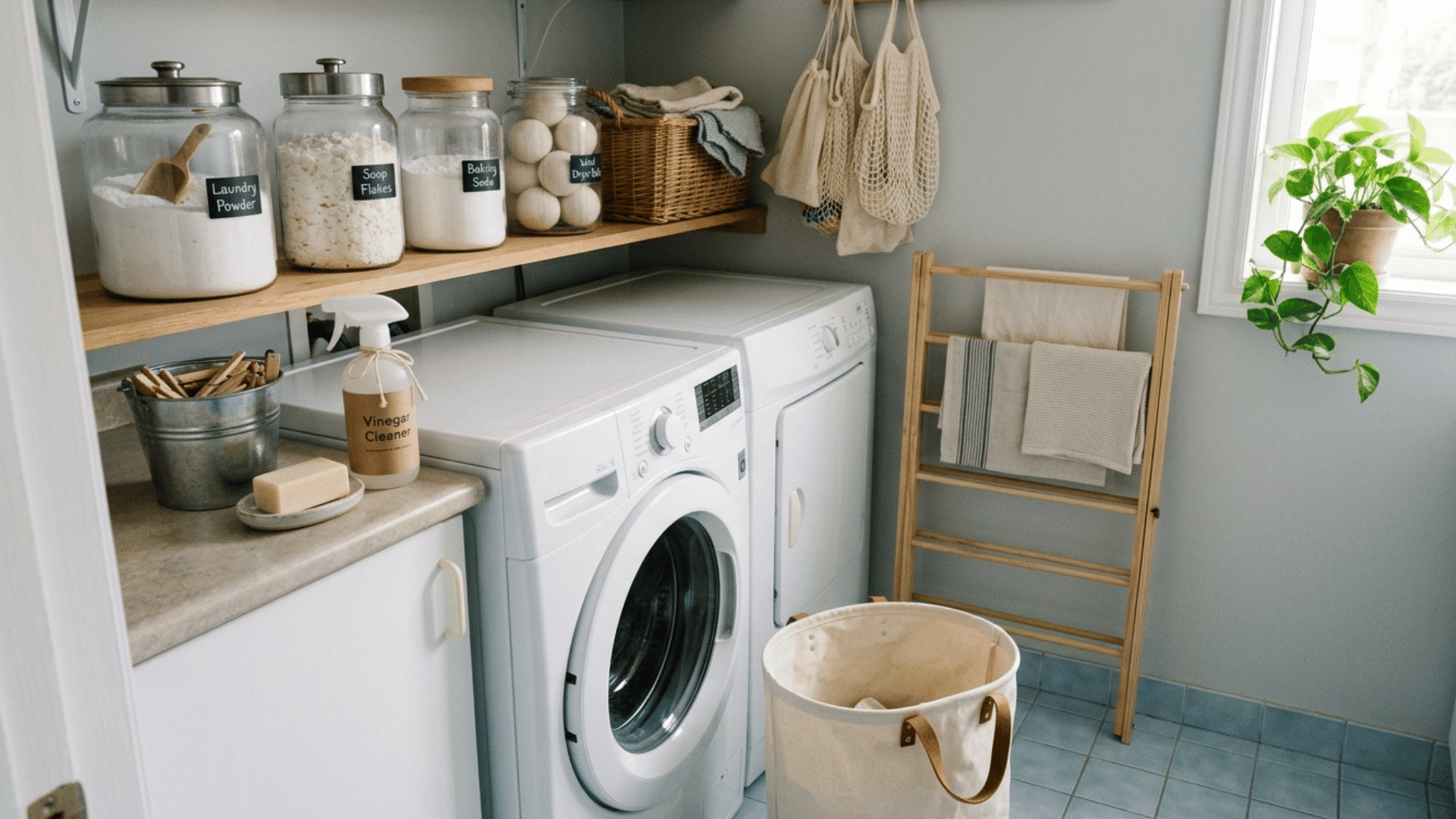
The laundry area is an easy space to cut plastic waste with a couple of practical everyday product swaps available.
- Most detergent bottles and laundry packaging are single-use plastics that pile up quickly over time.
- Switching to powder detergents or using refill stations is a simple and effective way to reduce plastic use.
- Cloth dryer balls are a reusable and long-lasting alternative to disposable dryer sheets.
- These small swaps make your laundry routine more efficient and considerably more waste-free overall.
Final Thoughts
A zero waste lifestyle isn’t about getting everything right from day one. It’s about making smarter choices, little by little, and building habits that actually stick. You don’t need a perfect routine or an overnight complete lifestyle change.
Start small, use what you already have, and make gradual shifts in your daily habits. Simple actions like carrying your own bottle, skipping plastic bags, or reusing items can create a real impact over time.
What begins as a few mindful steps slowly turns into a natural way of living.
Stay consistent, be patient with yourself, and remember that even the smallest effort counts toward a cleaner and more mindful life.