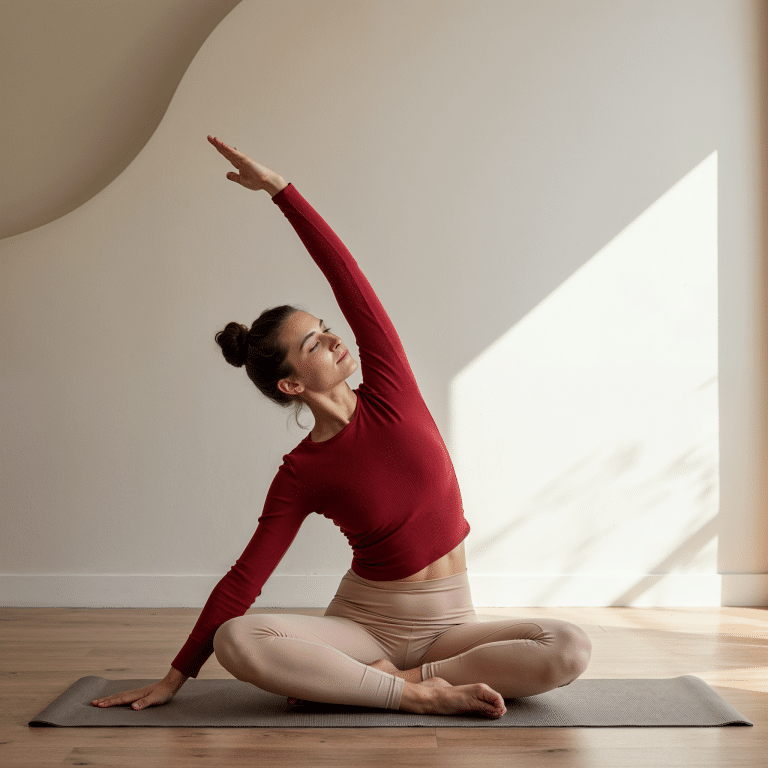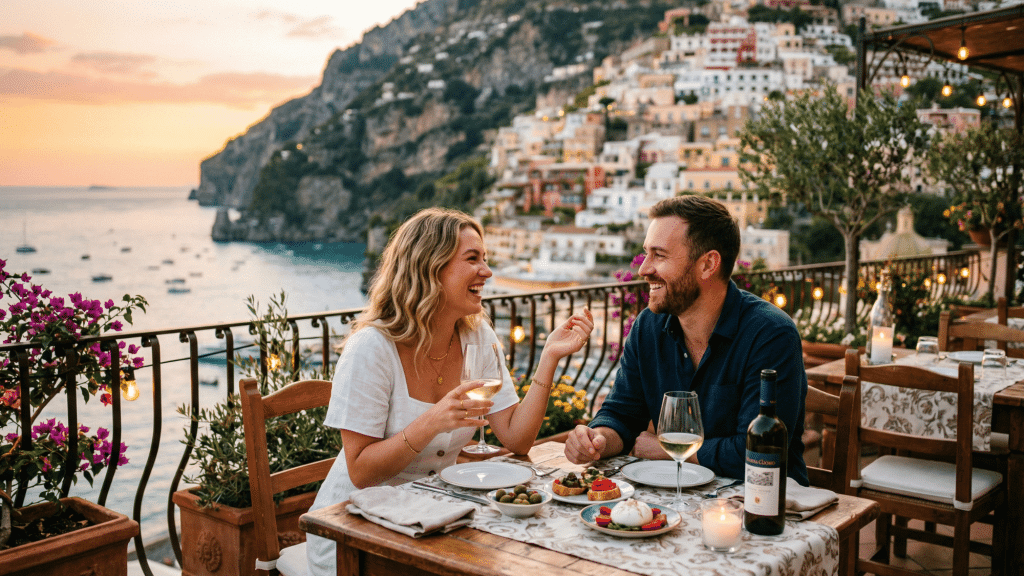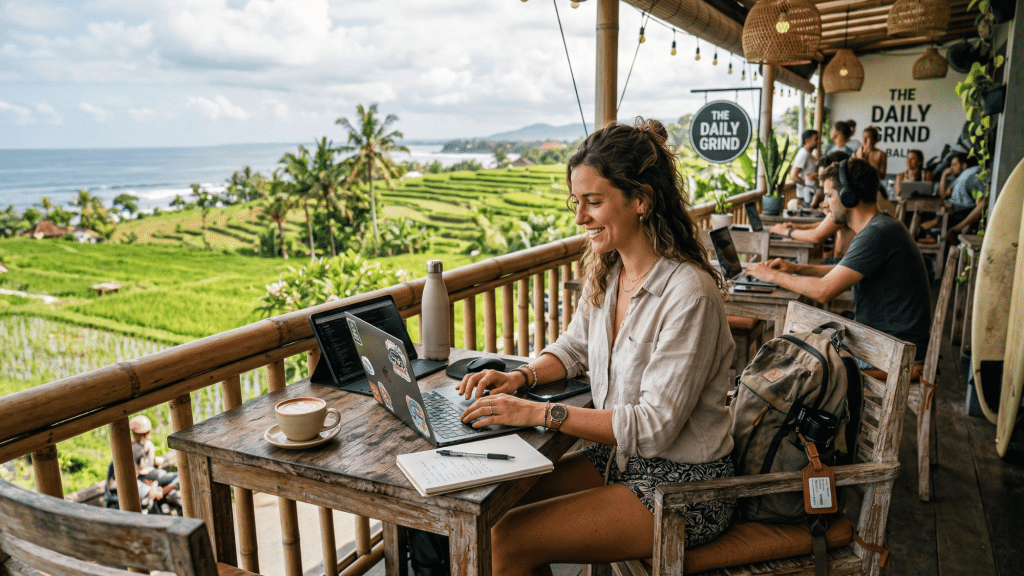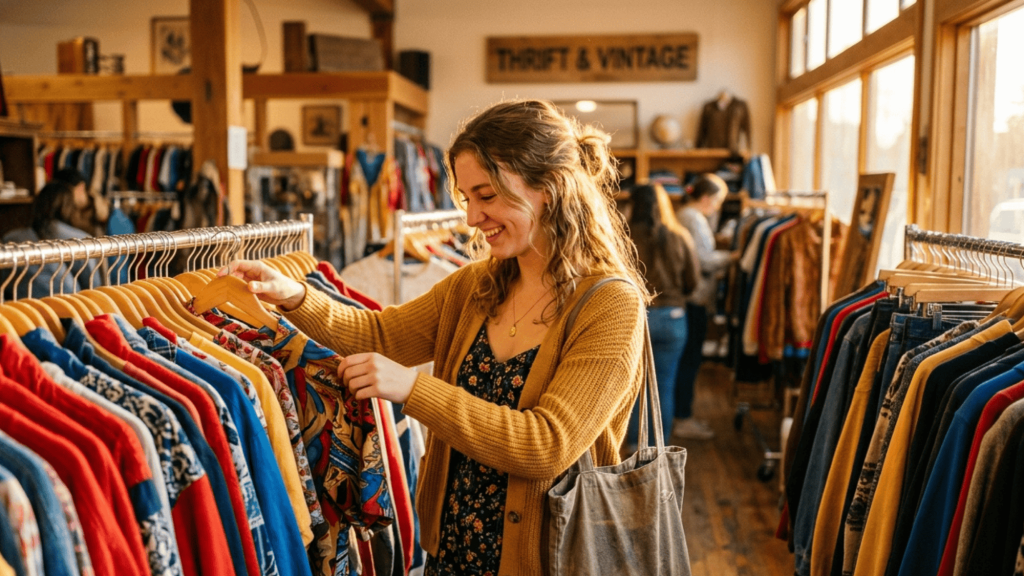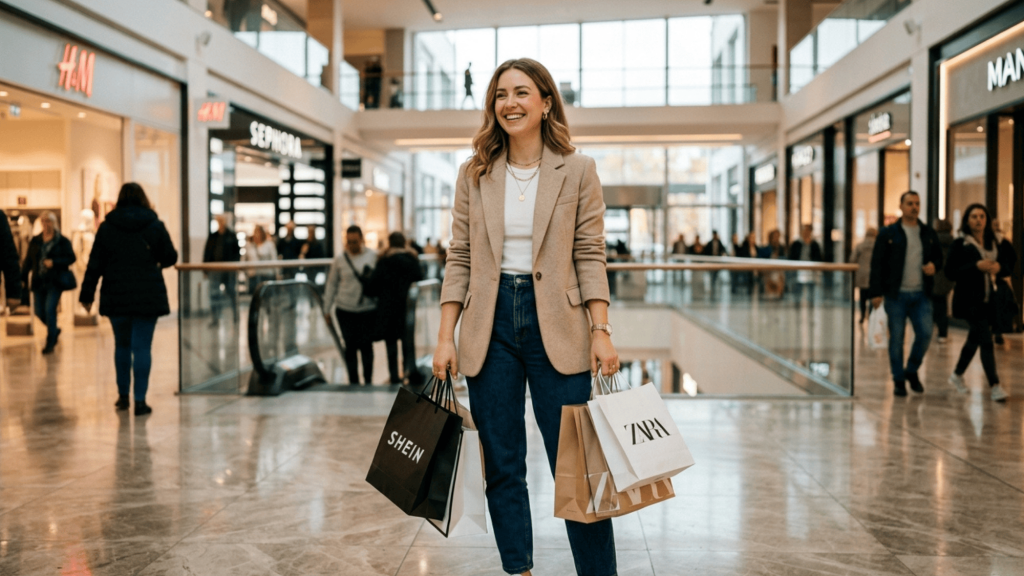
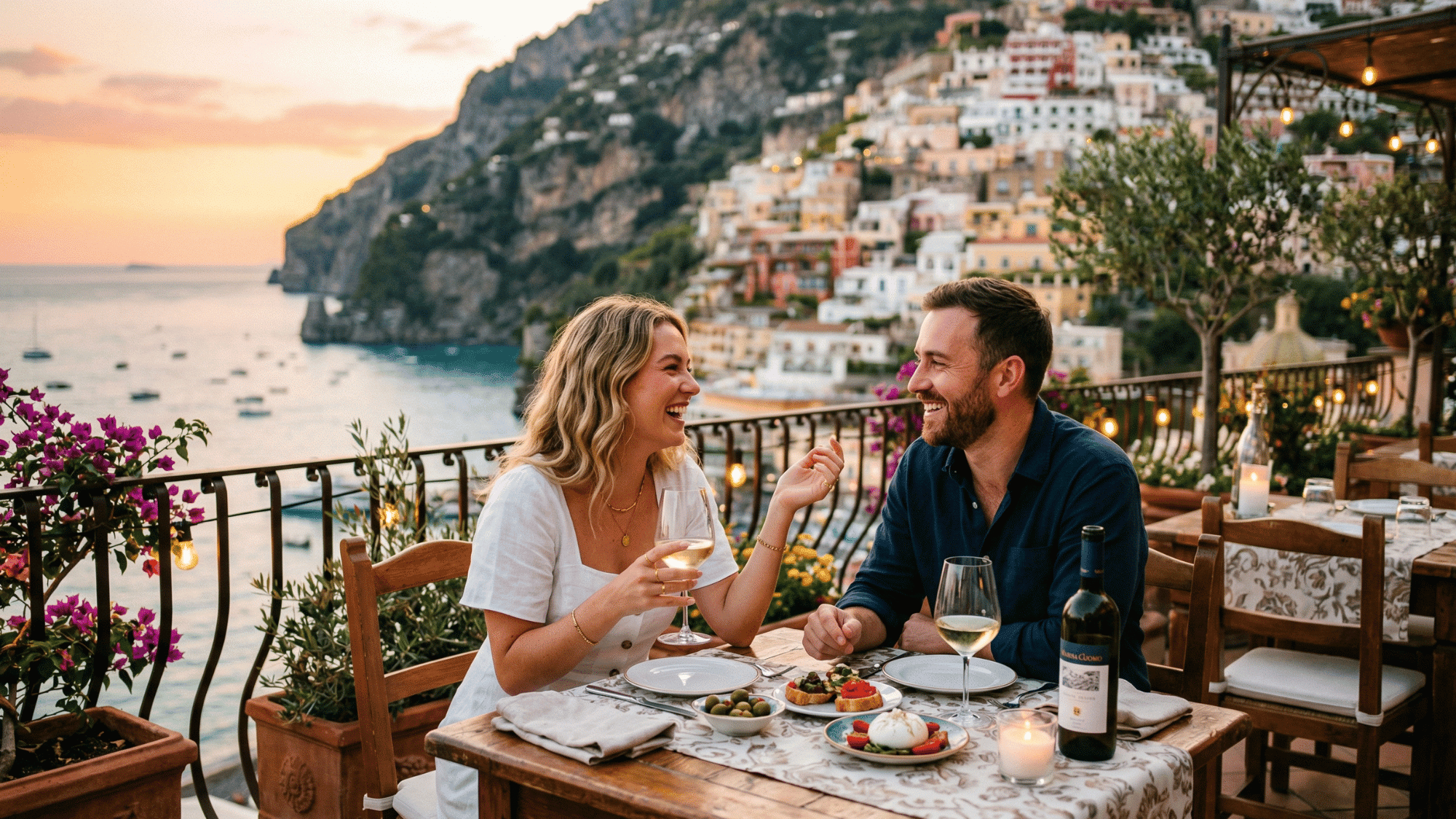
Forget the stiff poses, the forced smiles, and the awkward “okay everyone say cheese” moments that make people cringe every single time.
It’s photography captures real, messy moments that feel genuine and unforgettable.
No faking it, no forcing it, just life happening exactly as it should. And honestly? Those are always the shots worth keeping forever.
What is Lifestyle Photography?
This type of photography captures real moments naturally, focusing on genuine everyday experiences instead of staged poses.
The goal isn’t perfection, it’s storytelling. It aims to preserve emotions, relationships, and genuine moments that reflect real life.
This style has grown rapidly in popularity, especially in the age of social media and personal branding, where audiences value authenticity over perfection.
Key Characteristics
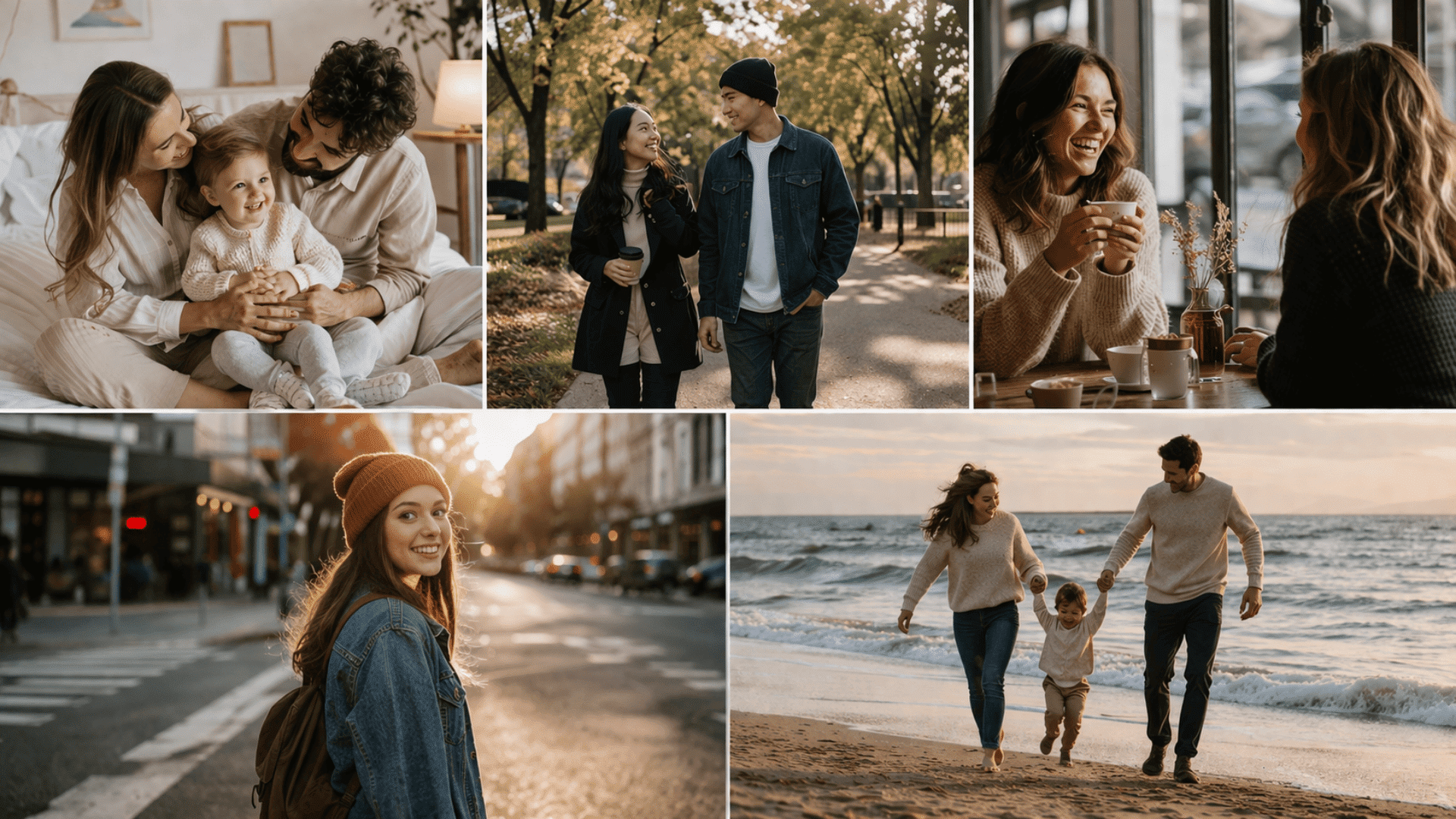
It has the ability to capture real, meaningful moments in a natural and authentic way, focusing on genuine emotions, environments, and interactions.
1. Natural and Candid Feel
It highlights the beauty of capturing real, heartfelt moments rather than artificial scenes.
Even when the scene is lightly guided, the goal is to make subjects appear relaxed and comfortable, as if the moment happened naturally.
This creates images that feel spontaneous, genuine, and easy for viewers to connect with.
2. Real-Life Environments
Instead of using artificial studio setups, it takes place in meaningful, everyday locations such as homes, parks, cafés, or streets.
These environments add context and depth to the images, making them more personal and relatable. The surroundings become part of the story rather than just a background.
3. Emotional Storytelling
At its heart, it’s all about capturing the beautiful emotions and meaningful relationships that make us human.
Whether it is joy, connection, calmness, or even quiet moments, the focus is on telling a story through real expressions and interactions.
This makes each photo feel meaningful and memorable rather than just visually appealing.
4. Guided, Not Fully Posed
Photographers do not rely on stiff or traditional poses. Instead, they offer simple prompts or suggestions, such as “walk together” or “talk to each other,” allowing natural interactions to unfold.
This approach helps subjects feel less pressured and yields more authentic, dynamic images.
5. Use of Natural Light
It primarily uses natural light, such as sunlight from windows or outdoor settings. This creates a soft, warm, and realistic look that enhances the natural feel of the images.
It avoids harsh artificial lighting, making photos look more organic and visually pleasing.
Why and When to Choose Lifestyle Photography
It captures real moments, emotions, and stories that make content relatable and engaging. Focusing on natural interactions builds stronger brands and a trustworthy, human image for businesses.
- Captures real emotions and natural interactions that feel authentic
- Builds a strong emotional connection with viewers
- storytelling through everyday moments and experiences
- Strengthens personal branding with relatable and consistent visuals
- Works well for social media, family moments, travel, and product storytelling
From Family to Travel: Types of Lifestyle Photography
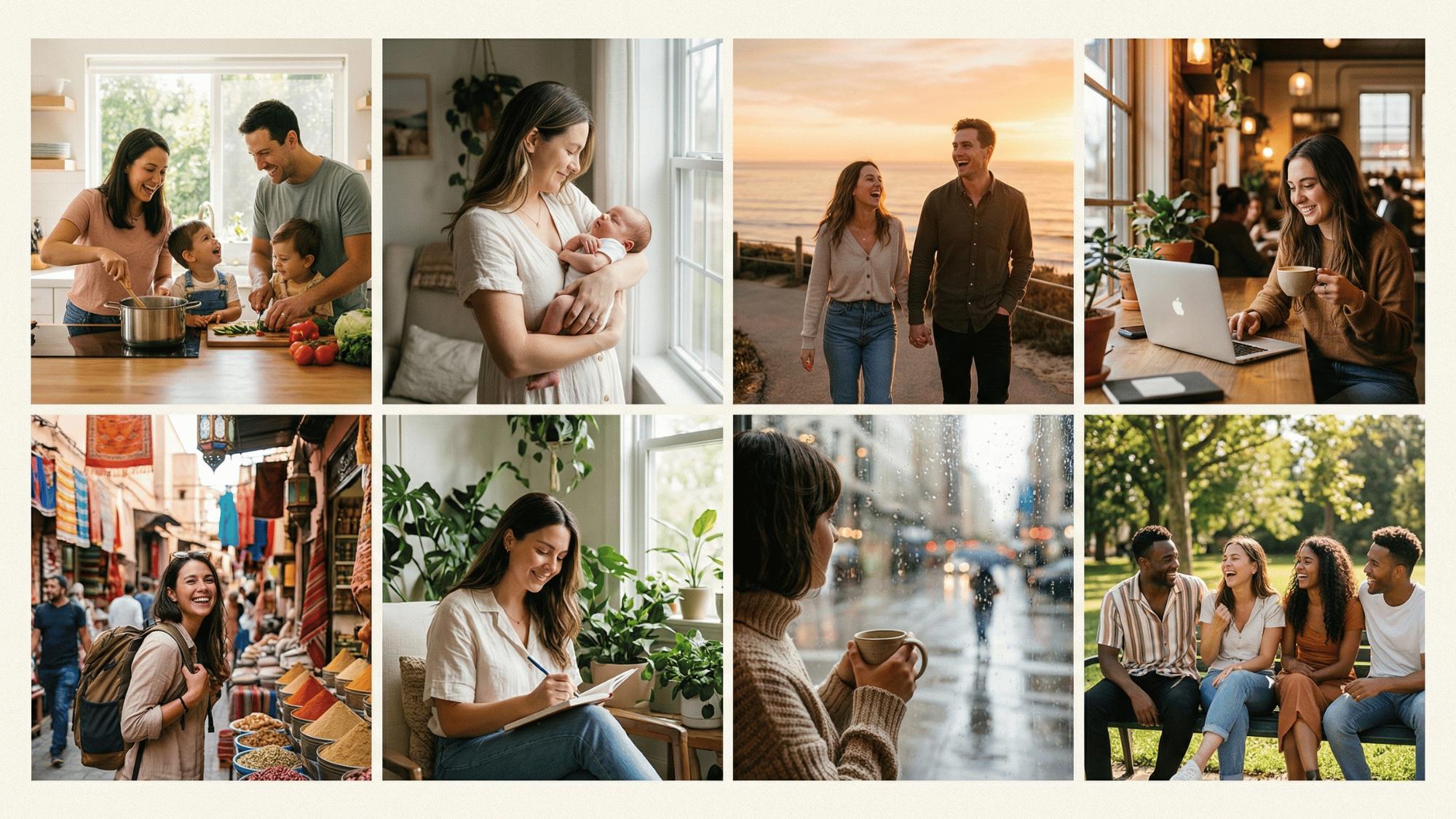
Each one focuses on capturing real-life moments in different contexts, from personal life to professional and brand storytelling.
1. Family Lifestyle Photography
It beautifully captures genuine moments in a family’s everyday life with warmth and emotion.
Instead of stiff poses, it highlights natural interactions, such as parents playing with their children, shared laughter, or quiet bonding moments at home.
The goal is to document genuine connections and emotions, creating images that feel personal, warm, and timeless.
2. Newborn and Maternity Lifestyle Photography
It centers around real, intimate moments during pregnancy and early parenthood.
These sessions are often done at home, capturing parents preparing for a baby or bonding with their newborn in a relaxed environment.
The emphasis is on tenderness, connection, and the natural beauty of these life-changing stages.
3. Couple and Wedding Lifestyle Photography
This style captures couples in a natural, emotionally driven way, focusing on genuine interactions rather than posed shots.
Whether it’s a pre-wedding shoot or candid wedding moments, the photographer encourages couples to engage, talk, laugh, or simply be present, creating genuine, emotional images.
4. Commercial Lifestyle Photography
Brands use it to showcase products in real-life settings, illustrating how they integrate into daily routines rather than traditional ads, like enjoying coffee at home or working with a gadget.
This approach helps brands connect with audiences by making their offerings feel relatable and practical.
5. Travel and Everyday Life Photography
This captures the essence of daily routines, cultures, and environments in different locations. It focuses on real experiences of streets, interactions with locals, and daily life.
These images tell stories about places and people, offering a more authentic and immersive perspective than staged travel photography.
Lifestyle, Portrait, and Candid Photography: A Quick Comparison
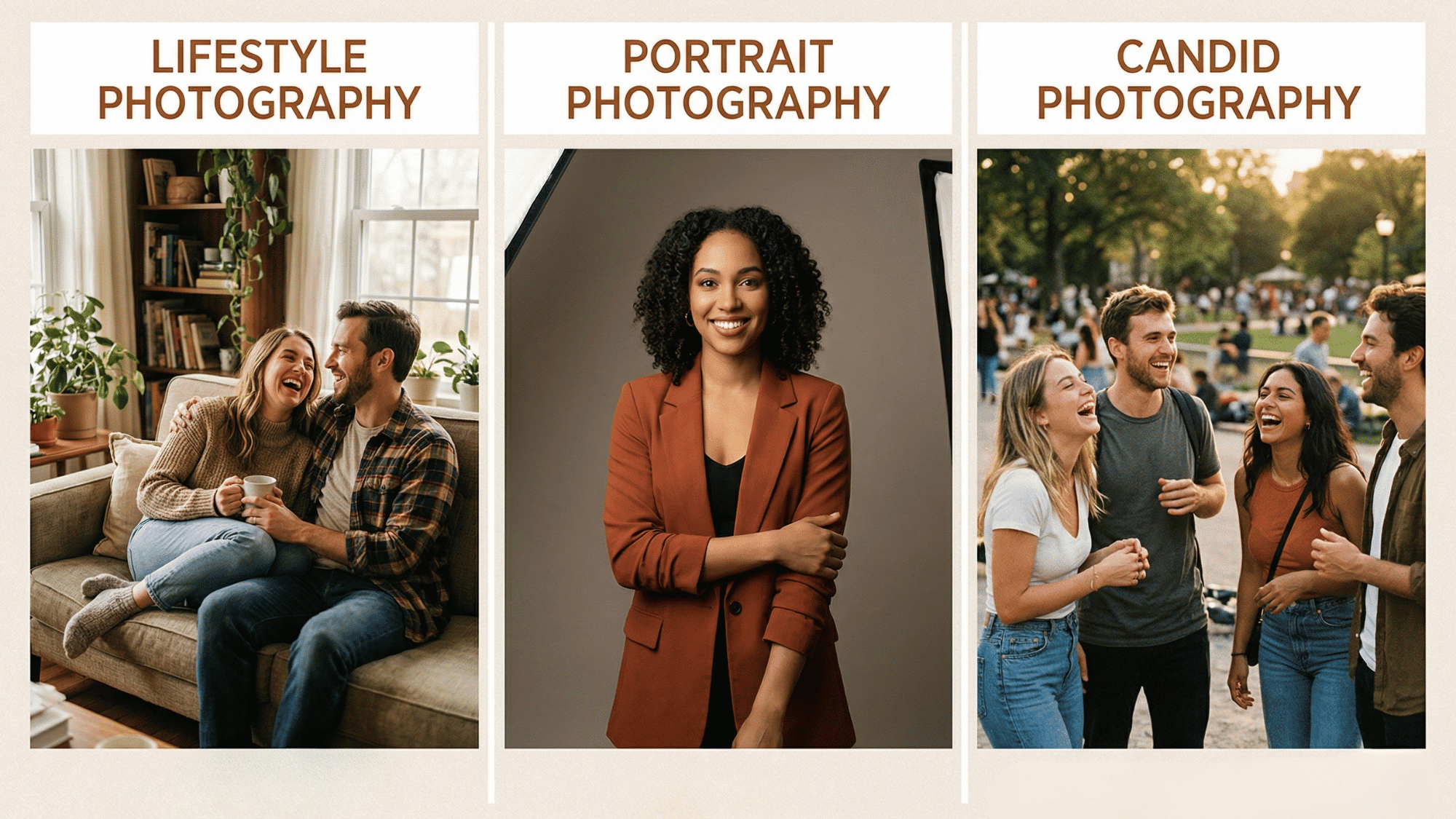
Understanding the differences between lifestyle, portrait, and candid photography helps you choose the right style based on your purpose, mood, and storytelling needs.
| ASPECT | LIFESTYLE PHOTOGRAPHY | PORTRAIT PHOTOGRAPHY | CANDID PHOTOGRAPHY |
|---|---|---|---|
| Definition | Real-life moments with guidance | Posed subject-focused shots | Spontaneous, unplanned shots |
| Posing Style | Lightly guided | Fully posed | No posing |
| Photographer’s Role | Gives prompts | Controls everything | Observes only |
| Environment | Natural settings | Studio/controlled | Anywhere |
| Purpose | Storytelling | Highlight subject | Capture real moments |
| Planning Level | Planned-natural | Highly planned | Unplanned |
| Overall Feel | Authentic | Polished | Raw |
Best Gear for Lifestyle Photography
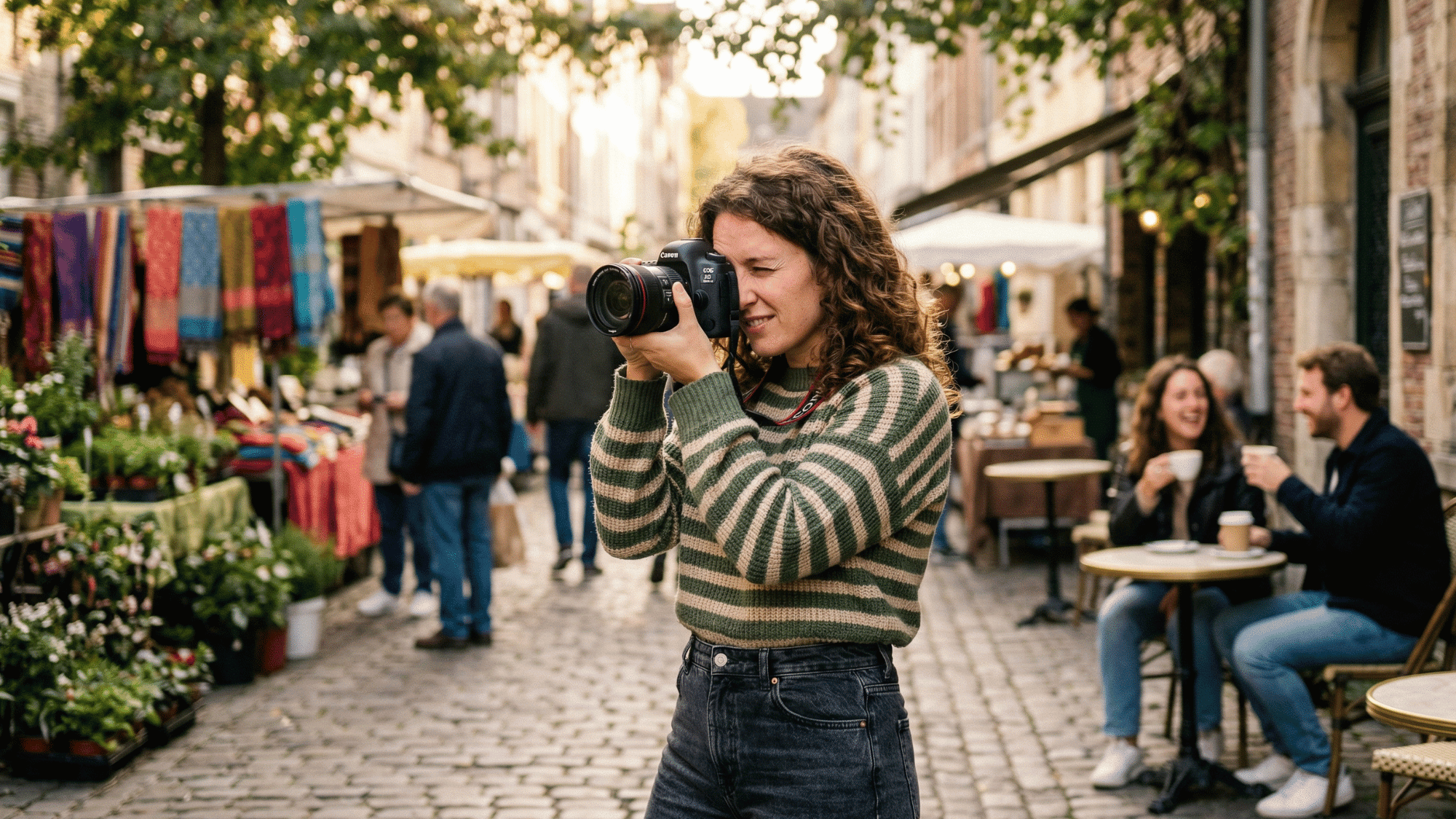
You can begin with simple equipment. Remember, having the right tools and techniques is more important than fancy gear!
Camera
A DSLR or mirrorless camera is a popular choice due to its flexibility, image quality, and control over settings. These cameras allow photographers to capture sharp, well-exposed images in different lighting conditions.
- DSLR and mirrorless cameras offer better control over exposure and focus
- Interchangeable lenses help achieve different creative effects
- Excellent performance in low-light conditions
- Modern smartphones are convenient and capable for casual shooting
Lenses
Choosing the right lens shapes a natural look, with primes offering sharpness and soft blur, while zoom lenses provide flexibility to capture moments easily.
- 35mm and 50mm prime lenses provide a natural, realistic perspective
- Wide apertures help create a soft, blurred background (bokeh)
- Zoom lenses allow flexibility for different shooting distances
- Lightweight lenses make it easier to shoot candid moments
Lighting
Lighting is key to a natural look, with photographers favoring natural light and simple tools like reflectors to keep it soft and authentic.
- Natural light creates soft and flattering results
- Window light is ideal for indoor shoots
- Reflectors help bounce light and reduce shadows
- Avoid harsh artificial lighting for a more authentic look
Useful Tips for Beginners
Starting this style of photography can feel challenging, but the right approach helps you capture natural, story-driven moments.
- Give simple prompts instead of strict poses to keep moments natural and unstaged.
- Focus on genuine emotions and interactions rather than forced expressions.
- Choose familiar, meaningful locations to make subjects feel more at ease.
- Keep subjects relaxed and comfortable to bring out authentic behavior.
- Shoot continuously to capture real, fleeting moments as they happen.
- Pay attention to composition and background details for a cleaner, stronger frame.
The Bottom Line
Lifestyle photography shows that the best moments are often unplanned, occurring between poses and feeling too genuine to be staged.
Whether you are a photographer or just curious, it all comes down to one thing: authenticity.
When a photo feels like a real moment, not a setup, it does its job perfectly. Real life is already beautiful; it just needs the right person behind the camera.