
If you have ever stumbled across the term Tanbi Kei and felt instantly drawn to it without fully understanding why, you aren’t the only one.
This Japanese style has a quiet pull, especially in the evolution of visual kei, where beauty performs.
The Tanbi Kei meaning is rooted in philosophy, literature, and centuries-old devotion to beauty. This guide explains its origin, pronunciation, and why it intrigues diverse cultures worldwide.
What Does Tanbi Kei Mean?
Tanbi Kei (耽美系) is a Japanese aesthetic style whose name literally translates to “devotion to beauty.”
Derived from tanbi (耽美), meaning aestheticism, and kei (系), meaning style or category, it describes a richly ornate visual and artistic sensibility rooted in decadence, grace, and romanticized beauty.
Originating in Japanese fashion and music subcultures, it prioritizes elaborate, almost excessive beauty as an art form in its own right.
Tanbi Kei Pronunciation: With Breakdown
Pronounce it as Tan-bi Kay, three clean syllables, no silent letters. The most common mistake is saying “kee” instead of “kay” for kei.
In Japanese, the ei combination always produces an “ay” sound. Think: “tan” (suntan), “bi” (bead), “kay” (the letter K).
Western speakers often over-stress the middle syllable, but in Japanese, all three syllables flow evenly without a dominant beat.
Proper pronunciation signals cultural familiarity and improves understanding in anime and aesthetic communities worldwide.
Origin of Tanbi Kei Cultural and Historical Background
Tanbi Kei traces back to early 20th-century Japanese literature, deeply influenced by European aestheticism, particularly Oscar Wilde’s philosophy that beauty needs no moral justification.
Japanese writers absorbed this “art for art’s sake” ideology and shaped it into a distinct cultural movement.
Japan’s version, unlike its Western counterpart, expanded from literature into manga, anime, and fashion over decades, all while upholding the belief that beauty is life’s highest pursuit.
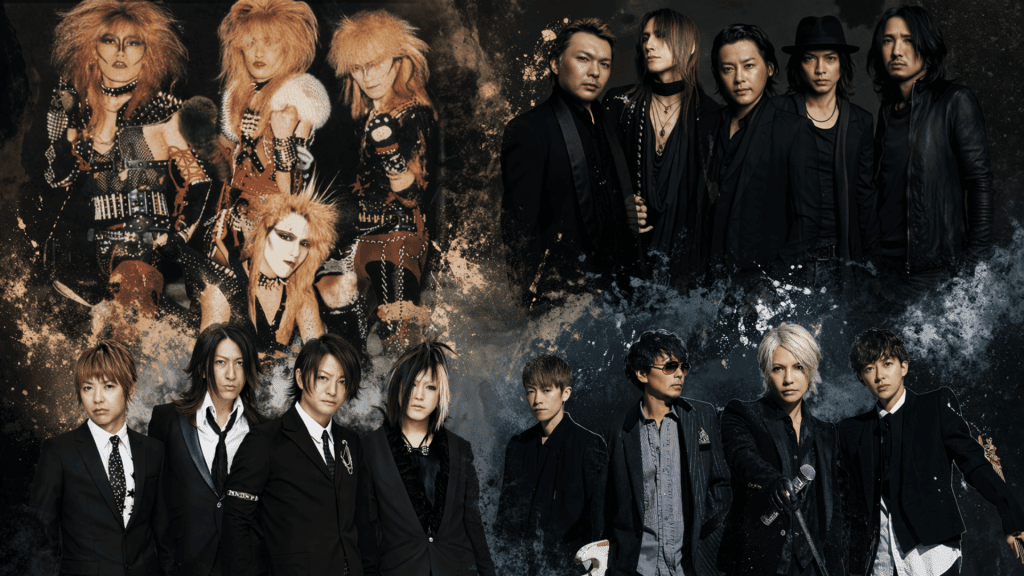
Unlike louder substyles tied to iconic bands, its influence is more subtle, though you can still trace its DNA through movements shaped by the visual kei big four bands, where theatrical beauty first gained mass appeal.
Tanbi Kei in Anime and Manga
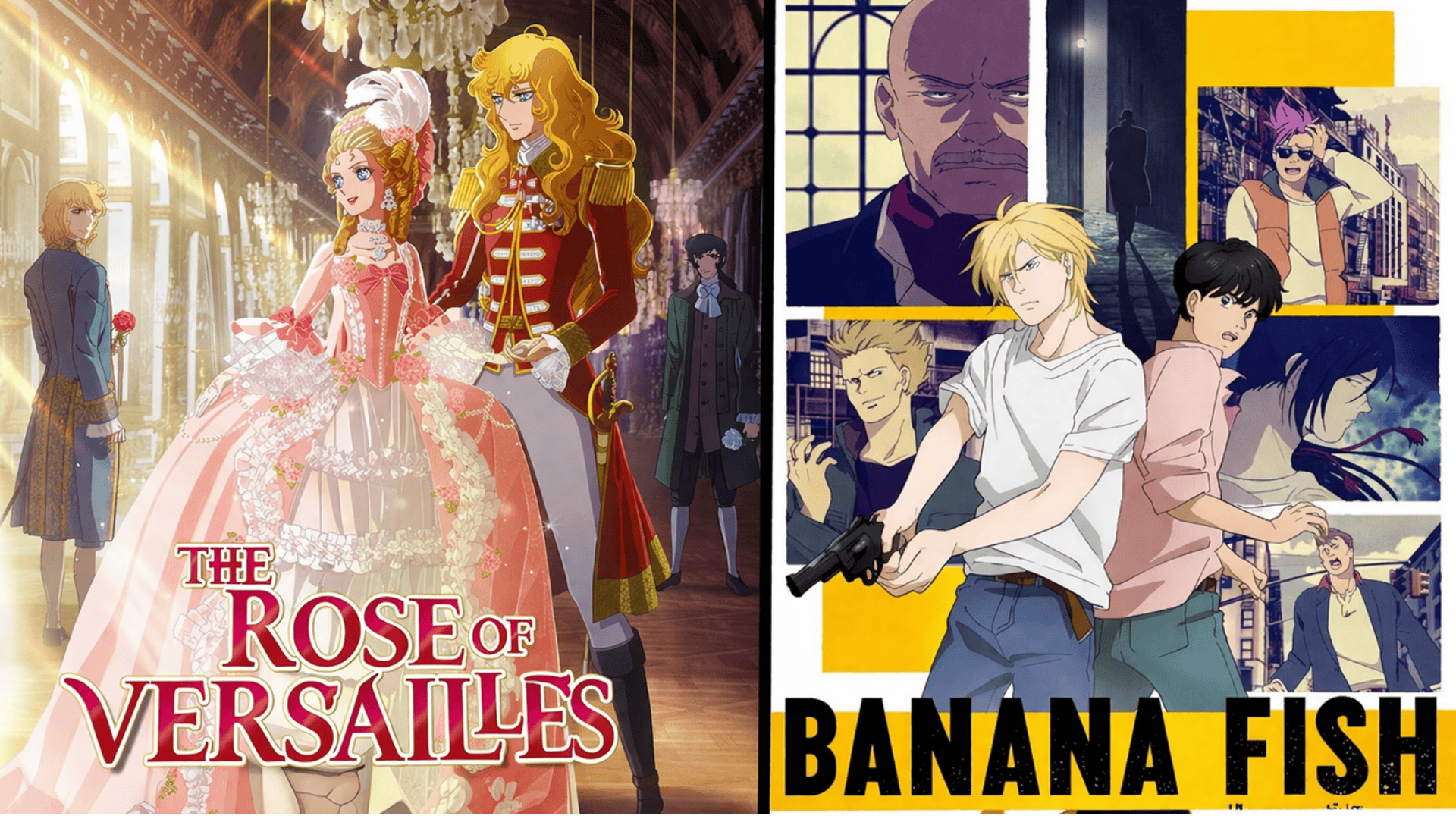
Tanbi Kei comes alive in anime and manga, where beauty takes center stage through striking characters and emotionally rich, art-like visuals.
1. Characteristics of Tanbi Kei Characters
Characters are graceful, emotionally complex, and often androgynous, their appearance deliberately blurring gender lines to emphasize pure aesthetic refinement over conventional identity.
Every detail, from costuming to posture to expression, is intentional. These characters embody beauty as a lived philosophy, making their stylistic presence inseparable from their narrative purpose.
2. Popular Examples of Tanbi Kei in Anime
The Rose of Versailles embodies it through aristocratic grandeur, Banana Fish through tragic, fragile beauty, and Moriarty the Patriot through intellectual grace.
The Rose of Versailles, Banana Fish, and Moriarty the Patriot each use beauty as a deliberate storytelling device, wrapping perfection, loss, and longing into visuals that linger long after the story ends.
3. Visual Style and Themes
Dramatic lighting, intricate costume design, and emotionally saturated scenes define the visual language, with beauty presented not as background decoration but as the story’s emotional heartbeat.
Melancholy, fragility, and fleeting perfection define the emotional core, where every visual is crafted to make beauty feel as painful as it is breathtaking.
Tanbi Kei Aesthetic Explained
Tanbi Kei’s style goes far deeper than surface-level prettiness, combining deliberate visual choices with a philosophical commitment to beauty as emotional experience.
- Soft, diffused lighting, pale, muted palettes, and intricate, layered outfits create a consistently dreamlike, painterly visual tone.
- Its influence shaped Gothic Lolita, Visual Kei, and luxury fashion’s obsession with ornate, intentional detailing.
- Beauty is treated as a spiritual pursuit rather than decoration, with melancholy considered inseparable from true stylistic experience.
- Perfection and fragility coexist at its core, suggesting that beauty moves us precisely because it cannot last.
Tanbi Kei vs Similar Japanese Terms
Tanbi Kei is often mistaken for similar Japanese aesthetics, but key differences in purpose, medium, and cultural roots clarify their distinctions. This understanding improves clarity and SEO by focusing on related search intent.
| TERM | KEY DIFFERENCE |
|---|---|
| Tanbi Kei | Focuses on beauty as an artistic philosophy, emphasizing elegance and mood |
| Bishounen | Centers on the idealized, beautiful male character |
| Visual Kei | A music and fashion subculture with dramatic, performative visuals |
| Shoujo Aesthetic | Prioritizes romance, softness, and emotional storytelling in visual style |
Is Tanbi Kei Still Relevant Today
Tanbi Kei is very much alive. Modern anime like Given and Moriarty the Patriot carry its visual and emotional DNA.
On social media, aesthetic communities on Pinterest and Instagram build entire identities around its core values.
Global fashion increasingly borrows its ornate, beauty-first language. At its heart, Tanbi Kei taps into something classic: the human need to find meaning through beauty, which is exactly why it never fully goes away.
Wrapping It Up
Tanbi Kei is more than a label; it is a lens through which beauty becomes something profound and intentional.
From its literary roots to its presence in modern anime and global fashion, the Tanbi Kei meaning reveals a philosophy that has quietly shaped culture for over a century.
If this style resonates with you, find further. Uncover the art, the fashion, and the stories built around it. Beauty this deliberate deserves your full attention.