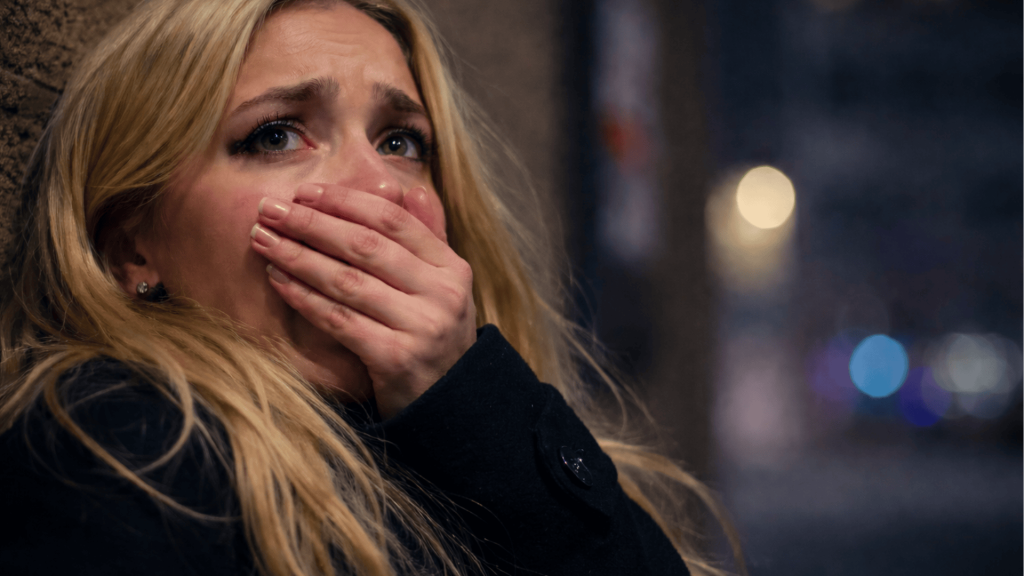

Have you ever been told to tie your hair before stepping outside, or warned never to leave it open at night?
Open hair and negative energy intriuges; myths and practices about them persist across cultures.
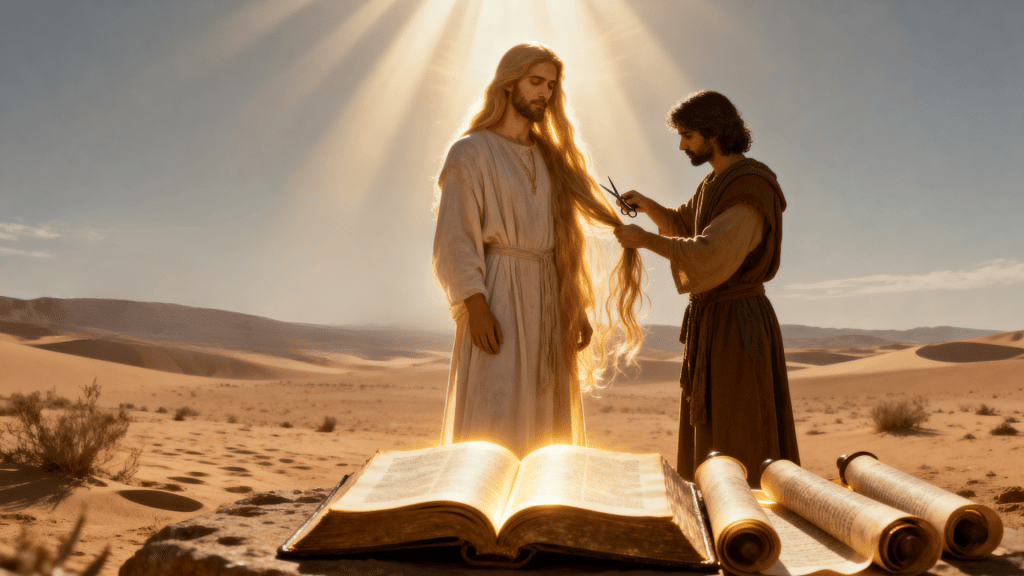
These ideas sometimes overlap with religious interpretations, especially in biblical views of hair, where hair symbolizes identity and spiritual order rather than energy absorption.
The Origin of the Belief: Where Did This Idea Come From?
This belief has ancient roots. In Indian traditions, women tie their hair at night during rituals to protect their energy.
Native American and Sikh cultures see hair as a symbol of strength and spiritual identity.
Yogic philosophy takes it further; hair is thought to act like an antenna, absorbing cosmic energy through the crown chakra.
These ideas, passed down for generations, still shape how millions of people think about their hair today.
Does Open Hair Really Attract Negative Energy?
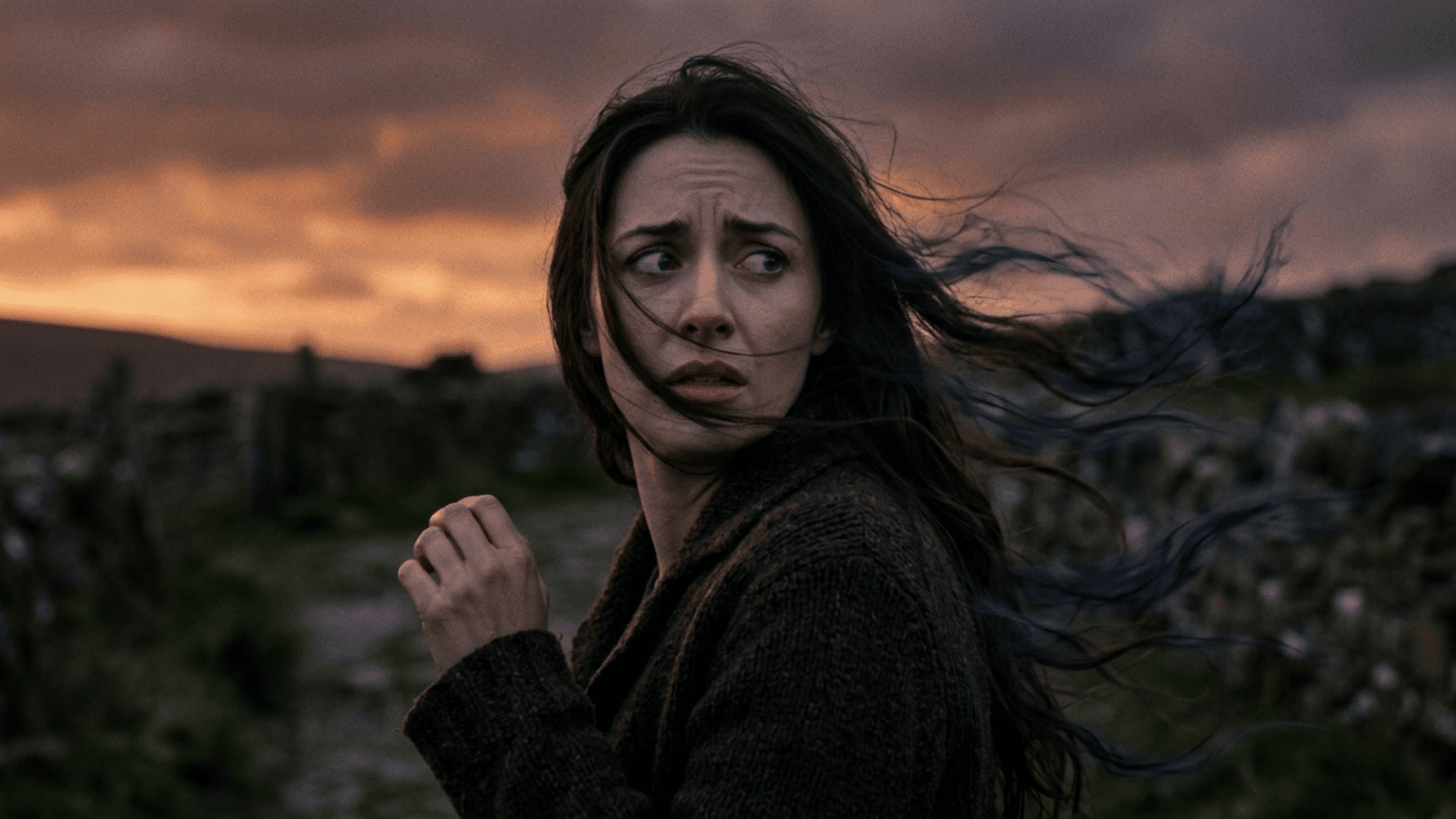
You’ve likely heard from a parent or elder, “don’t leave your hair open at night.” But is there truth to it? Let’s learn about spiritual beliefs, science, and the real answer.
1. The Spiritual Perspective
Many traditions believe hair stores emotional and spiritual energy, both positive and negative.
Leaving hair open is thought to increase exposure to external energies, making you more vulnerable to absorbing negativity from your surroundings.
2. The Scientific Perspective
Scientifically, hair is made of keratin, a dead protein with no ability to absorb or transmit energy. There is no evidence supporting the claim of “energy absorption” through hair.
These physical responses align more closely with trauma release body symptoms than with the idea of external energy attachment.
3. Reality Check
The belief is symbolic, not scientifically proven. Cultural conditioning and psychology play a far bigger role in how we feel about our hair than any invisible energy field.
Respecting the tradition is important, but it’s equally valuable to understand its boundaries.
Common Myths About Open Hair and Negative Energy
Not all you hear about open hair is true. Some beliefs are cultural, practical, or myths that persist. Here’s a quick breakdown.
Myth 1: Open Hair Always Attracts Negative Energy
Fact 1: Many cultures lack this rule; whether open hair is considered “risky” varies by cultural context. What’s taboo in one may be normal in another.
Myth 2: Sleeping with Open Hair Is Dangerous
Fact 2: Open hair while sleeping causes tangles, breakage, and hygiene issues. Practical advice that simply took on a spiritual tone over time.
Myth 3: Long Hair Stores More Negative Energy
Fact 3: Some spiritual traditions believe longer hair holds more energy, positive or negative. But science doesn’t back this up. Hair length has no proven connection to energy storage of any kind.
Myth 4: Cutting Hair Removes Bad Energy
Fact 4: Cutting hair after a difficult period feels like a fresh start, and psychologically, it can be. But it’s symbolic, not literal. There’s no evidence that scissors can clear out negative energy along with split ends.
Open Hair: When It’s Considered Negative vs Positive
Open hair is often linked to both positive and negative energy, depending on cultural and spiritual beliefs. The meaning changes based on context, not a fixed rule.
| SITUATION / CONTEXT | SEEN AS NEGATIVE | SEEN AS POSITIVE |
|---|---|---|
| During Sleep | Believed to increase vulnerability to negative energy | No scientific harm, mostly about comfort |
| Religious Activities | Hair tied for discipline and respect | Sometimes seen as natural energy flow |
| Public Spaces | Thought to absorb surrounding energy | Socially normal and widely accepted |
| Emotional State | Linked with an imbalance in some beliefs | Expression of freedom and confidence |
| Cultural View | Common in traditional beliefs | Western view supports open hair |
Spiritual Practices to Protect Your Energy :If You Believe in It)
For centuries, these five hair rituals have been cherished by many as a way to feel grounded, whether you believe it or not.
- Tying or Braiding Hair: Braiding or tying hair is seen as a protective act in many traditions — a way to contain your energy and shield yourself from outside negativity.
- Washing Hair Regularly: Water is a natural cleanser, spiritually and physically. Regular hair washing is believed to wash away stagnant or negative energy, leaving you feeling renewed.
- Oil Massage and Grounding Practices: Rooted in Ayurveda, scalp oiling is more than self-care. It’s believed to calm the nervous system, stimulate energy flow, and keep you mentally grounded.
- Covering Hair (Scarves, Dupatta, etc.): Many religions and traditions use head coverings as a form of spiritual protection. Covering the hair is seen as preserving your energy and showing reverence.
- Intentional Haircuts for Emotional Release: Cutting your hair after grief, heartbreak, or a major life change is a ritual of letting go, a symbolic way to release old energy and welcome a fresh start.
Psychological Explanation: Why People Believe This
Sometimes belief has less to do with energy and more to do with the mind. When life feels out of control, rituals around hair.
Cutting it after a breakup, keeping it tied during stress, gives people a sense of power over their situation.
Add childhood conditioning and the placebo effect, and it’s easy to see why these beliefs feel very real, even without scientific proof.
This connection between perception and physical response is explained further through how hair shows stress, where hair reflects internal stress patterns rather than external energy.
Should You Keep Your Hair Open or Tied?
Scientifically, there’s no harm in wearing your hair open. The real choice comes down to comfort, context, and personal belief.
Honor traditions that feel meaningful, and let go of the ones that don’t.
You don’t have to pick between modern thinking and cultural roots. At the end of the day, the best hair choice is the one that makes you feel good, inside and out.
Wrapping It Up
The conversation around open hair and negative energy, including myths and practices, is far older and deeper than most people realize.
Science may not agree, but culture, tradition, and belief tell a different story.
If these ideas sparked your curiosity, explore more of our articles on spiritual wellness and everyday rituals. Your journey to understanding begins with a single question.