
Every culture has its own way of welcoming the fresh start that comes with January.
New year traditions range from eating specific foods at midnight to performing symbolic rituals meant to attract prosperity and happiness.
Some people smash plates on doorsteps while others jump over ocean waves, and these customs have been passed down through generations.
If it’s wearing lucky colors, cleaning the house from top to bottom, and new year good luck traditions serve a common purpose.
They help people mark the change from one year to the next with intention and optimism, turning an ordinary night into something meaningful!
Why Try International New Year Traditions?
Trying international New Year traditions adds excitement and fresh perspectives to your celebrations. These customs offer meaningful ways to connect with different cultures while creating memorable experiences with loved ones.
Many global traditions focus on bringing good luck, prosperity, and positive energy into the coming year through specific foods, colors, or rituals.
Adopting practices from around the world helps break away from routine celebrations and introduces fun, unexpected elements to your party.
You might find that certain international customs resonate deeply with your personal values. Also, sharing these traditions with guests sparks interesting conversations and cultural appreciation.
From eating specific foods at midnight to wearing lucky colors, these time-tested rituals have brought joy to millions worldwide.
Experimenting with new traditions can become a cherished annual activity that makes each New Year feel special and intentional.
New Year’s Good Luck Traditions from Around the World
Welcome the new year with these time-honored traditions from around the world! Try one or mix several to create your own celebration that blends cultures and invites luck into every aspect of your life.
1. Eating 12 Grapes at Midnight (Spain/Latin America)
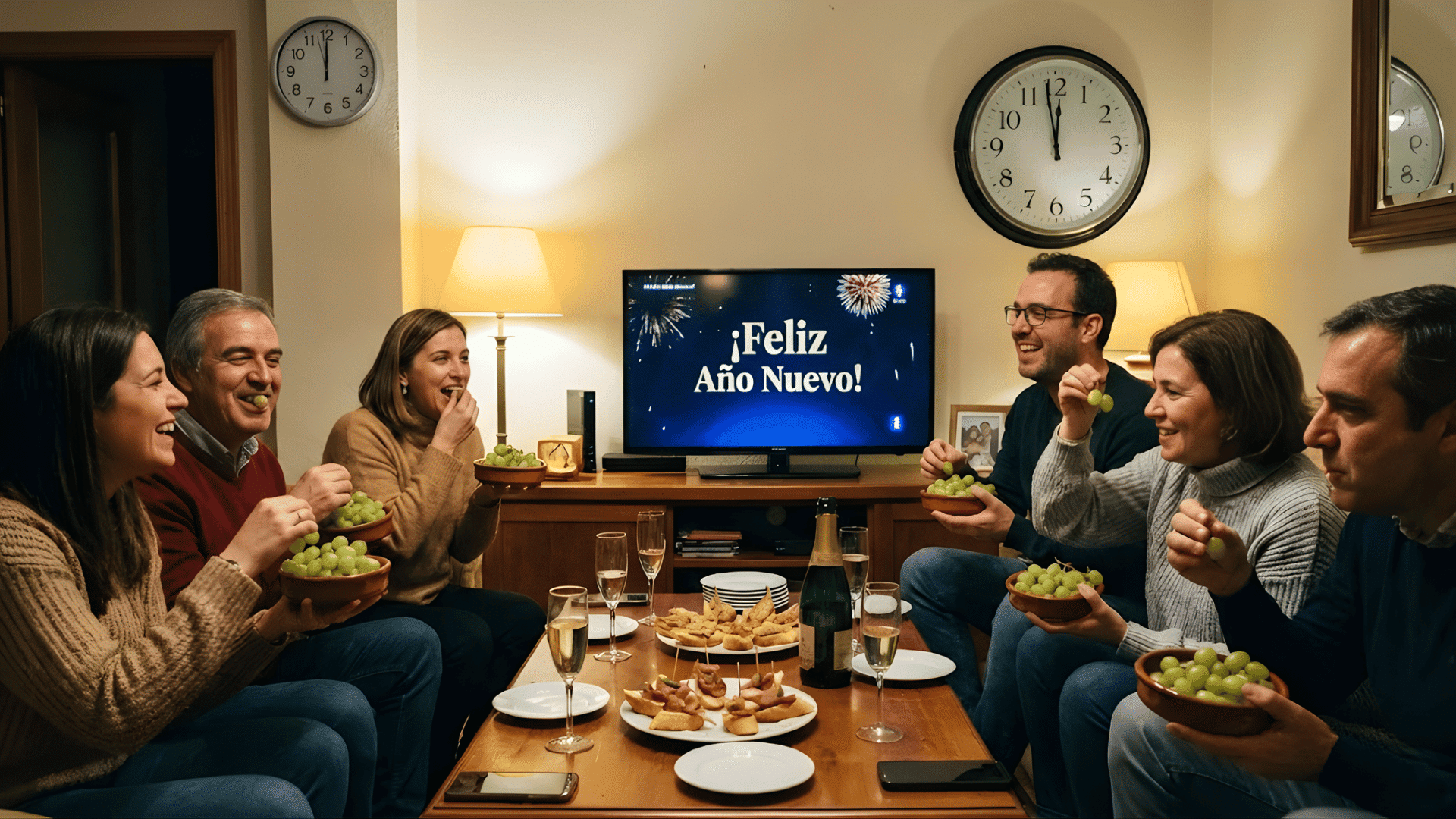
This Spanish tradition, known as “las doce uvas de la suerte,” requires you to eat one grape with each of the 12 clock chimes at midnight. The tradition dates back to 1909, when a surplus grape harvest led to this creative celebration.
You must finish all 12 grapes before the final chime stops to guarantee luck for each month of the coming year.
- Materials Needed: 12 seedless grapes per person, bowl, napkins, countdown clock or TV
- Best For: Party hosts, families with older children, organized planners, timed challenge enthusiasts
- Cultural Sensitivity Note: Widely accepted tradition welcoming all, buy local grapes
2. Eating Lentils at Midnight (Italy)
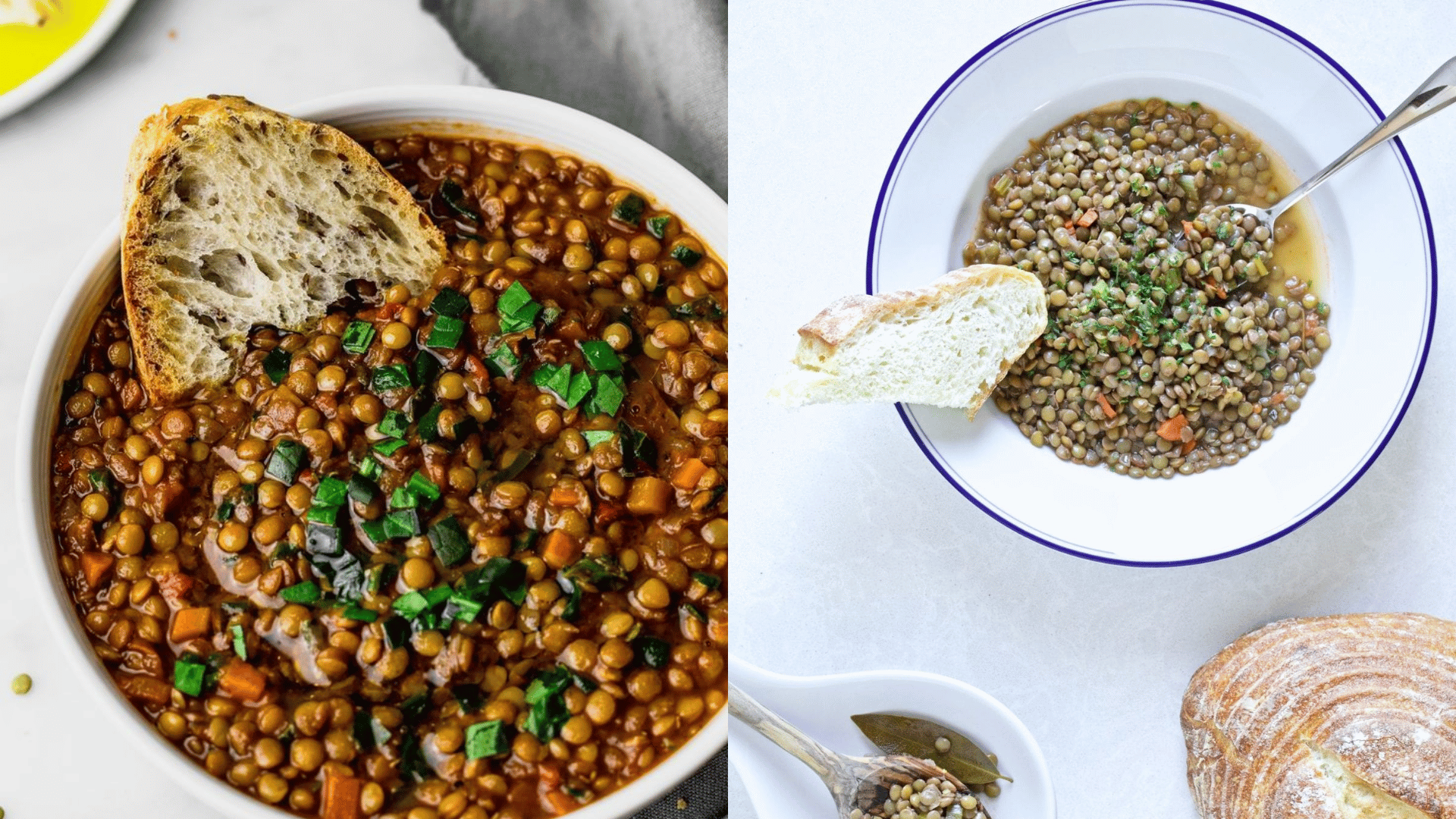
Italians serve lentils immediately after midnight because their small, round, coin-like shape symbolizes money and prosperity.
The tradition dictates that you should eat at least a spoonful of lentils with each of the 12 chimes of midnight for maximum financial luck.
The more lentils you consume, the more wealth you’ll accumulate throughout the year.
- Materials Needed: Dried or canned lentils, olive oil, garlic, onions, seasonings, cooking pot, serving bowls
- Best For: Home cooks, families, budget-conscious celebrators, and anyone seeking financial success
- Cultural Sensitivity Note: Widely accepted Italian tradition with no restrictions, vegetarian-friendly
3. Jumping Over Seven Waves (Brazil)

Millions gather on Brazil’s beaches dressed in white to run into the ocean at midnight and jump over seven waves.
Each wave represents a different wish you make to the seven orixás (divine spirits) of the Umbanda religion. The tradition combines African, indigenous, and Catholic beliefs that are central to Brazilian culture.
- Materials Needed: White clothing, swimsuit, towel, white flowers (roses/lilies), waterproof bag
- Best For: Beach dwellers, strong swimmers, spiritual seekers, warm climate residents
- Cultural Sensitivity Note: Rooted in Afro-Brazilian Umbanda religion, wear white and treat ocean offerings
4. Smashing Plates on Doorsteps (Denmark)
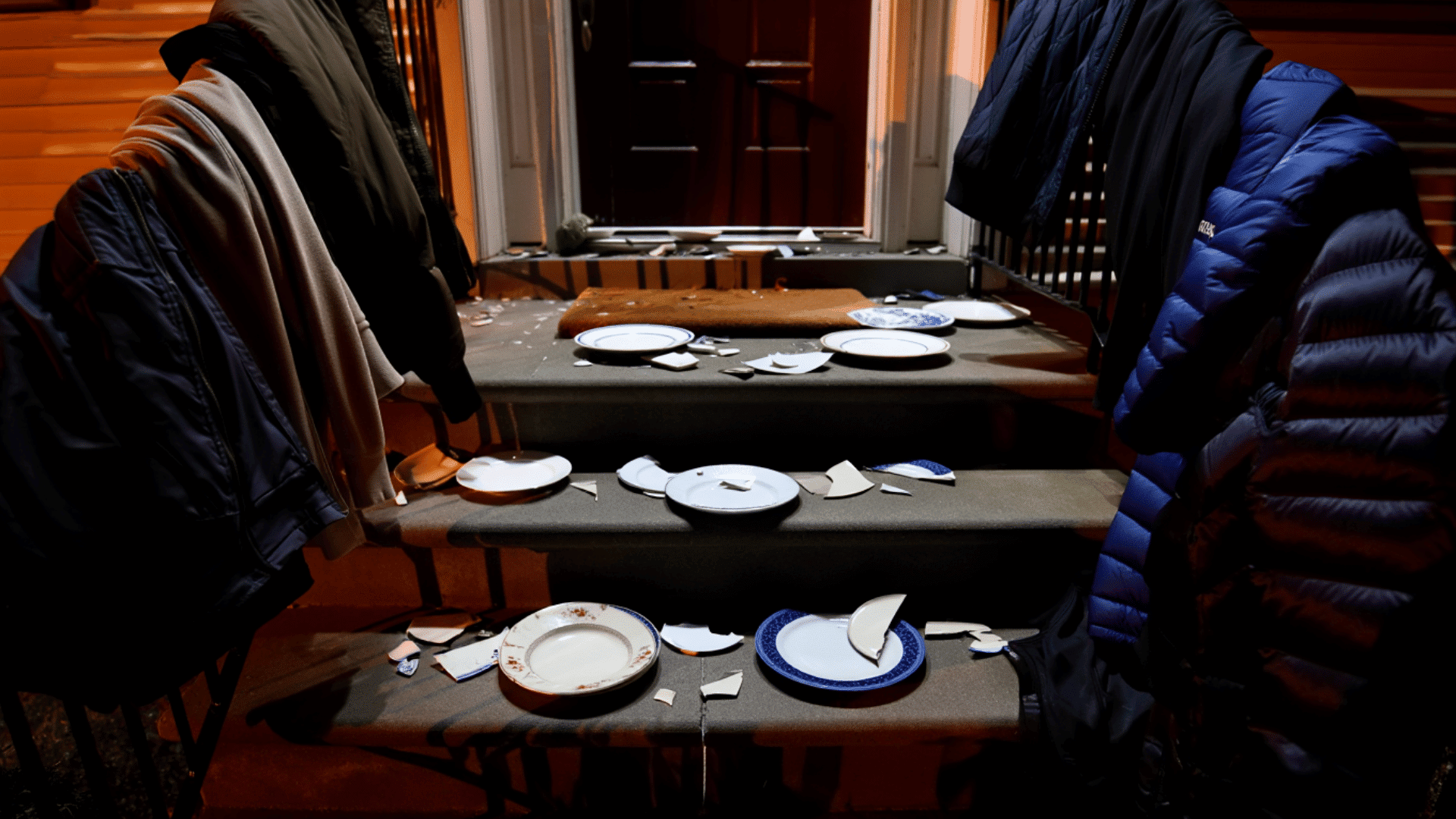
Danes save up old, chipped dishes throughout the year to throw at their friends’ and neighbors’ doors on New Year’s Eve.
The more broken china piled on your doorstep come morning, the more popular and well-loved you are in the community.
This tradition symbolizes smashing away bad luck and leaving grudges behind to start fresh.
- Materials Needed: Old chipped plates/dishes (nothing valuable), sturdy bag, walking shoes, broom for cleanup
- Best For: Close-knit neighborhoods, playful friends, homeowners, Danish culture enthusiasts
- Cultural Sensitivity Note: Get neighbor permission first, use eco-friendly alternatives in apartments
5. First-Footing (Scotland)
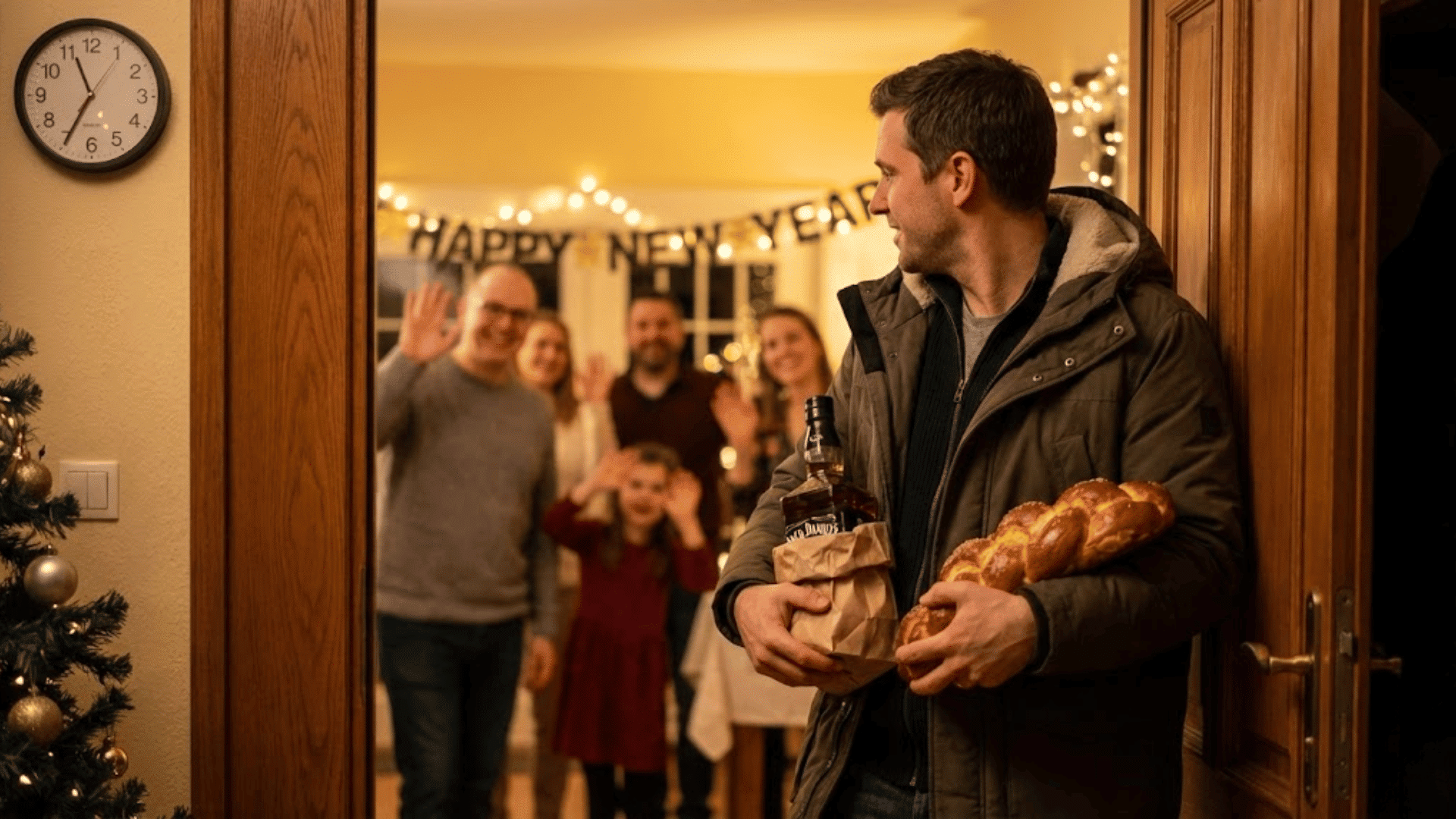
In this Scottish Hogmanay tradition, the first person to cross your threshold after midnight decides your luck for the year.
Traditionally, a tall, dark-haired man is considered the luckiest first-footer, a superstition dating back to Viking invasion fears.
The visitor should bring symbolic gifts like coal for warmth, salt for flavor, shortbread for food, whisky for good cheer, and sometimes a coin for prosperity.
- Materials Needed: Coal lump, salt container, shortbread, whisky bottle, silver coin, gift bag
- Best For: Scottish heritage celebrators, close friend groups, homeowners hosting gatherings
- Cultural Sensitivity Note: “Dark-haired man” preference stems from Viking fears; modern versions welcome any well-wisher
6. Eating Black-Eyed Peas (Southern United States)

Serve Hoppin’ John on New Year’s Day for luck and prosperity throughout the year. One theory traces this tradition to the Civil War, when Union soldiers left behind only black-eyed peas, which saved Confederate families from starvation.
Many families hide a coin in the pot while cooking for an extra dose of luck to whoever finds it!
- Materials Needed: Black-eyed peas, rice, pork (ham hock/bacon), onions, seasonings, a large pot, and an optional coin
- Best For: Southern culture enthusiasts, families, budget-conscious celebrators, and home cooks
- Cultural Sensitivity Note: Deep roots in African American history and Civil War survival
7. Walking with Empty Suitcases (Colombia/Mexico)
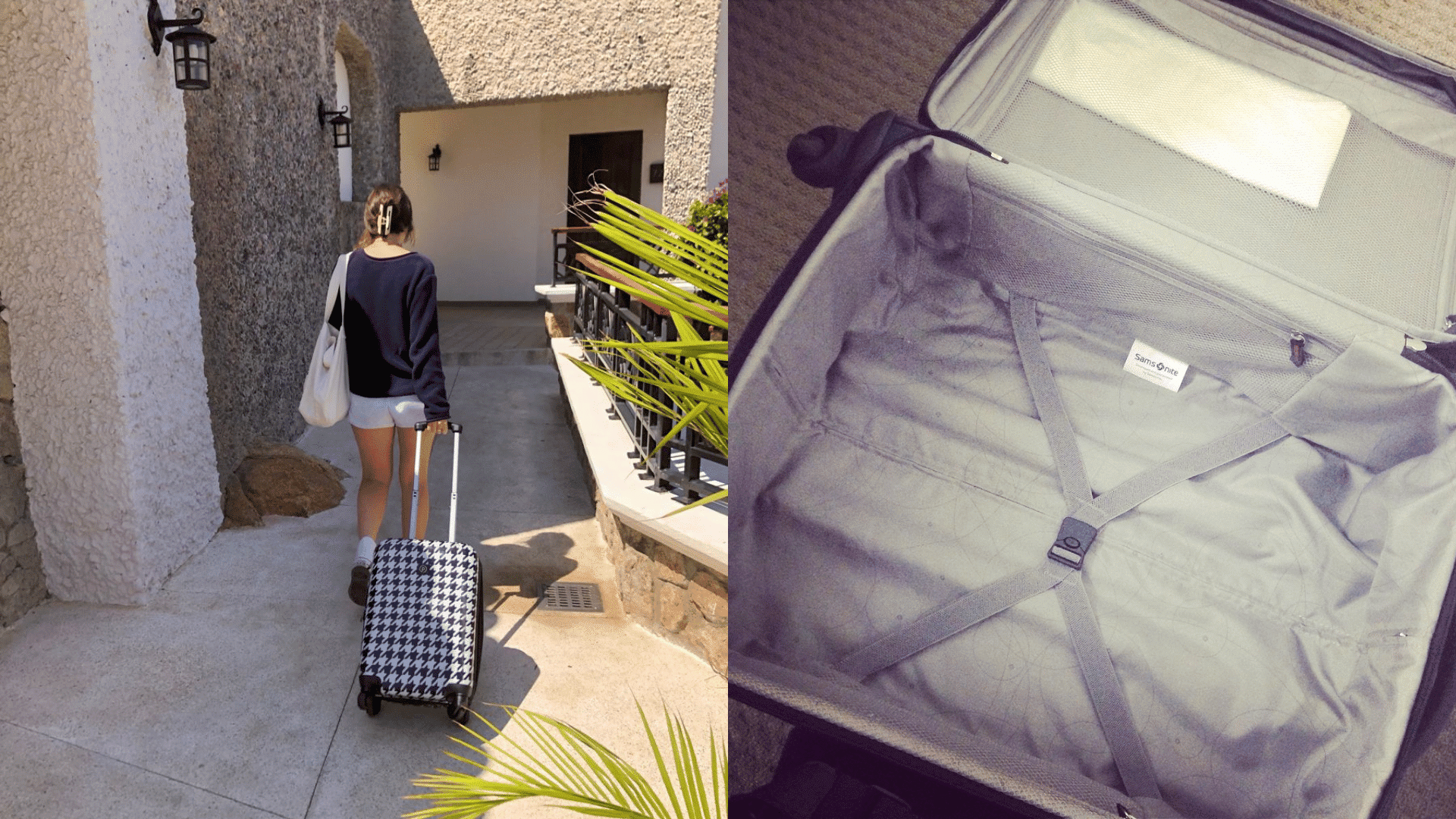
Grab an empty suitcase and walk around the block at midnight to ensure a year filled with travel.
The faster you walk or run, the more travel opportunities you’ll supposedly have in the coming year. Some people take it a step further by running a full lap around their neighborhood with their luggage.
- Materials Needed: Empty suitcase or travel bag (any size), comfortable shoes, flashlight for outdoors
- Best For: Travel enthusiasts, wanderlust families, digital nomads, trip planners
- Cultural Sensitivity Note: Lighthearted tradition without religious ties, adapt creatively for mobility challenges
8. Hanging Onions on Doors (Greece)
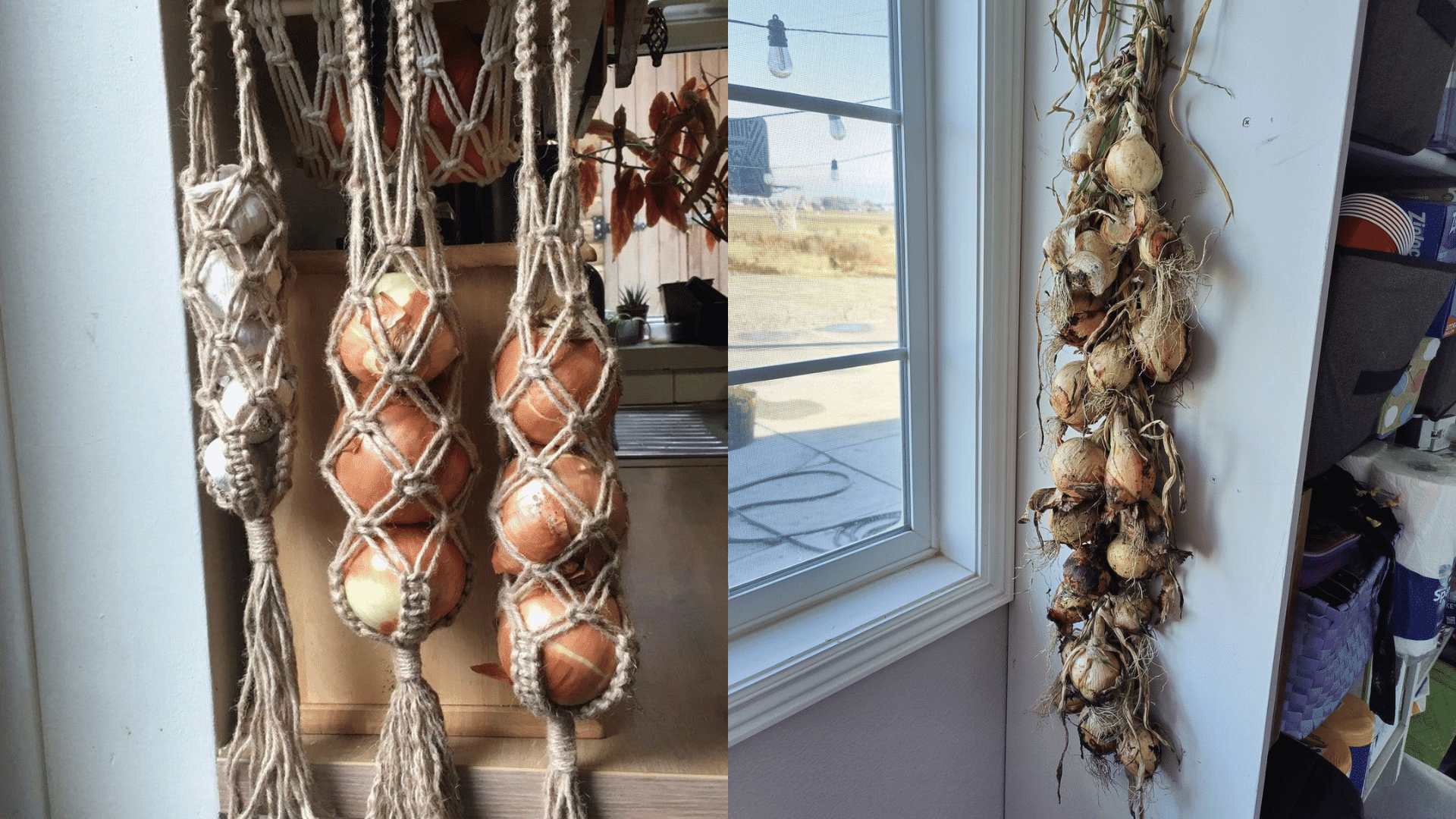
Greeks hang bundles of onions above their front doors on New Year’s Eve as symbols of rebirth, growth, and prosperity.
Onions are chosen because they sprout and grow even when neglected, representing resilience and abundance. On New Year’s morning, parents wake their children by gently tapping them on the head with the hanging onion.
- Materials Needed: Fresh onion bundles (3-5 onions), string or ribbon, hook or nail for the door
- Best For: Families with children, gardening enthusiasts, fresh start seekers, homeowners
- Cultural Sensitivity Note: Greek Orthodox tradition is rooted in agricultural rebirth; head-tapping should be gentle and playful
9. Deep House Cleaning – Osoji (Japan)
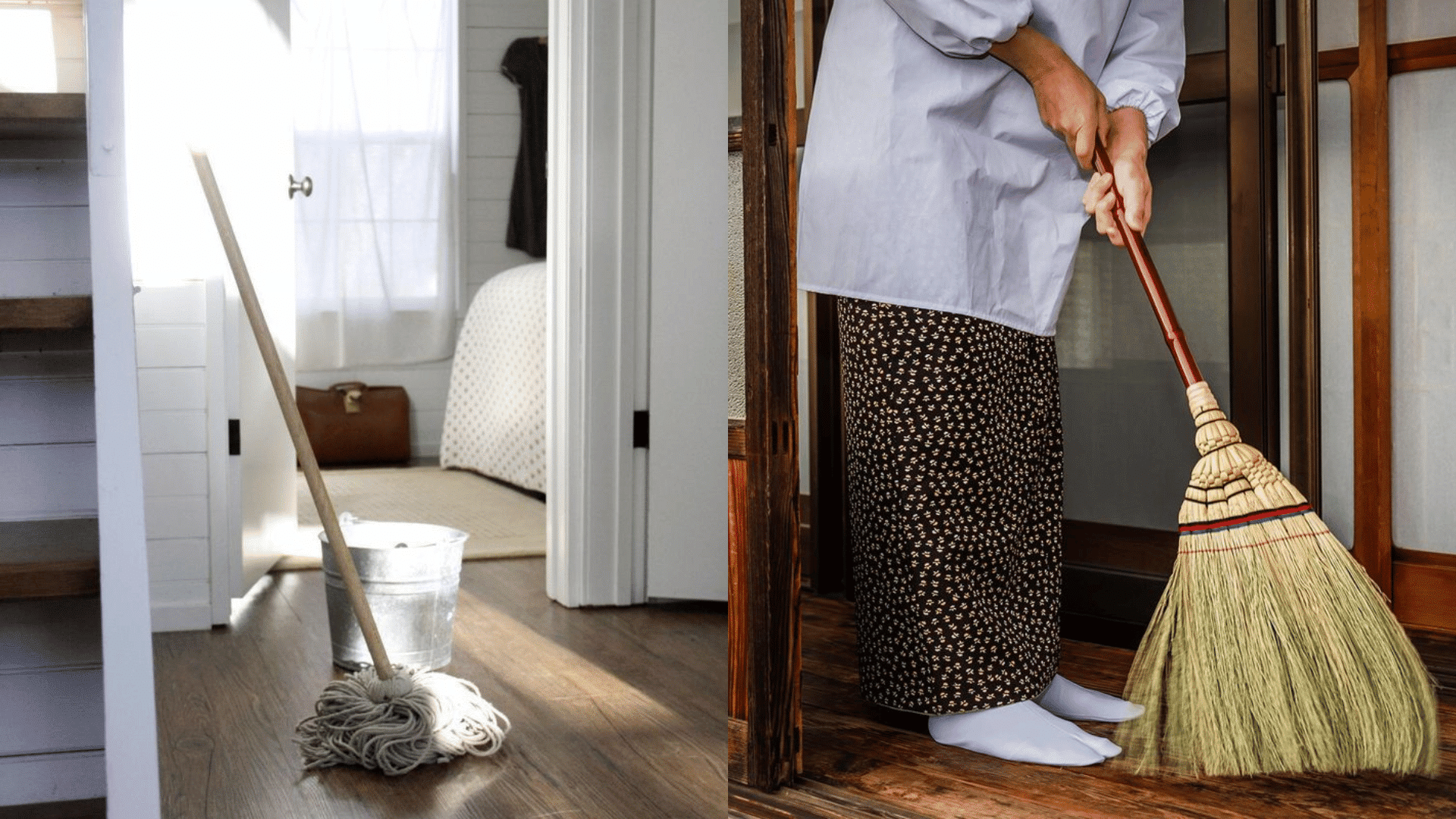
The Japanese practice “osoji” or “o-souji,” a thorough deep cleaning of the entire home before midnight on New Year’s Eve.
This ritual purifies the space, sweeps away bad luck from the old year, and prepares the home to welcome Toshigami, the New Year’s god.
Special attention is given to the fireplace, where all old ashes are cleared out completely.
- Materials Needed: Full cleaning supplies (broom, mop, dusters, solutions), trash bags, organizing bins
- Best For: Organized individuals, families, fresh start seekers, neat enthusiasts
- Cultural Sensitivity Note: Sacred Shinto/Buddhist purification practice; approach mindfully
10. Wearing Polka Dots (Philippines)

Filipinos wear clothing covered in polka dot patterns on New Year’s Eve because the round shapes symbolize coins and prosperity.
From dresses and shirts to pants and accessories, the more polka dots you wear, the more wealth you’ll attract.
Many families also display 12 round fruits on their dining tables during the media noche (midnight meal) for year-round abundance.
- Materials Needed: Polka dot clothing (dress, shirt, tie, scarf, accessories), 12 round fruits for display (optional)
- Best For: Fashion-forward celebrators, families, children, and anyone seeking prosperity
- Cultural Sensitivity Note: Joyful, inclusive Filipino tradition; wearing polka dots honors the symbolism of wealth
11. Throwing Water Out Windows (Cuba/Puerto Rico)

Toss a bucket of water out your window or front door at midnight to symbolically cleanse your home of negative energy and evil spirits.
This dramatic tradition represents washing away all the troubles, disappointments, and bad luck from the past year.
In Puerto Rico, some people also sprinkle sugar outside their homes to invite sweetness and good fortune into the new year.
- Materials Needed: Bucket or large bowl of water, optional sugar for sprinkling, towels, and window/door access
- Best For: Homeowners with private entrances, dramatic gesture lovers, energetic cleansing seekers
- Cultural Sensitivity Note: Check local laws and warn neighbors in multi-unit buildings
12. The Midnight Kiss (United States/Europe)
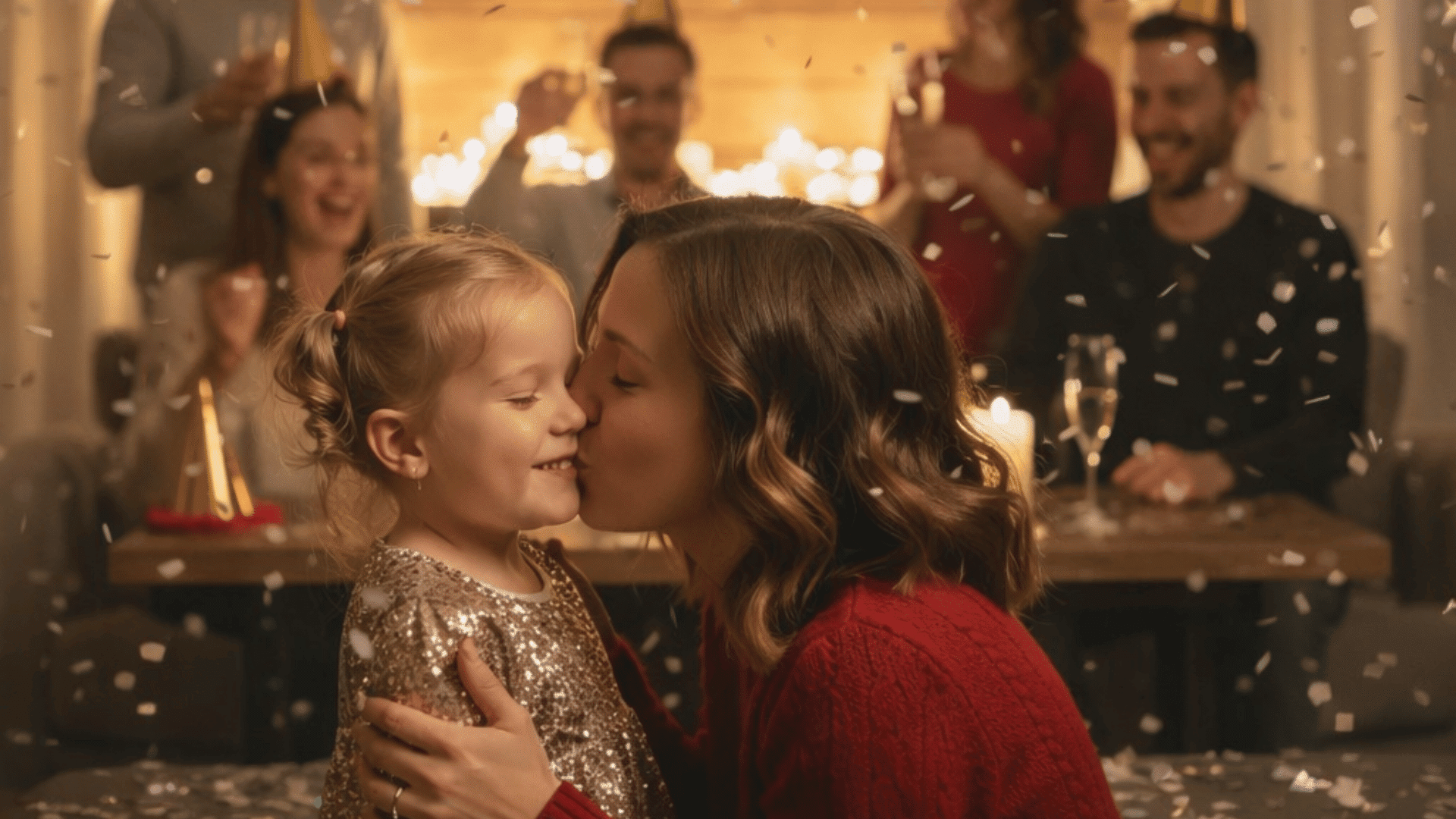
Kiss a loved one at the exact stroke of midnight to ward off evil spirits and ensure affection throughout the coming year.
This ancient tradition is believed to date back to European times. The tradition has become a romantic centerpiece of New Year’s Eve celebrations at parties and gatherings worldwide.
- Materials Needed: Willing partner (romantic/spouse/friend with consent), festive atmosphere
- Best For: Couples, romantic partners, married individuals, close friends seeking connection
- Cultural Sensitivity Note: Consent is essential, singles can kiss family/pets; respect cultural boundaries
13. Smashing Pomegranates (Turkey/Greece)
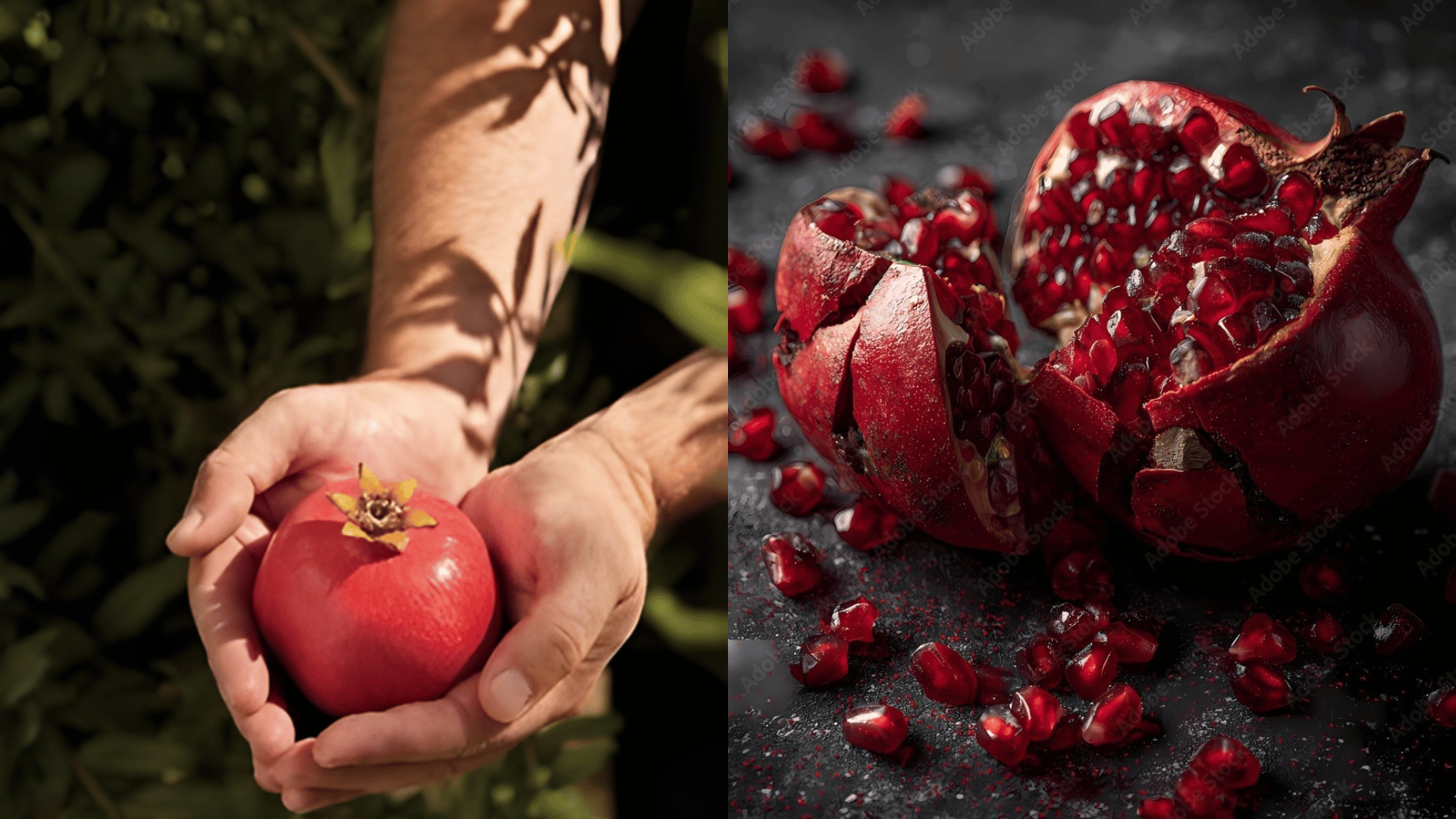
Throw a ripe pomegranate forcefully on the ground outside your front door at midnight to break it open. The more seeds that scatter across your doorstep, the more abundance, health, and fertility you’ll have in the new year.
Pomegranates are ancient symbols of prosperity in Greek mythology and are native to the region.
- Materials Needed: One ripe pomegranate (bigger is better), outdoor/doorstep space, cleaning supplies
- Best For: Homeowners, outdoor space owners, families seeking fertility/abundance, Mediterranean heritage
- Cultural Sensitivity Note: Sacred in Greek Orthodox tradition and mythology, clean up thoroughly
14. Mistletoe Under Your Pillow (Ireland)
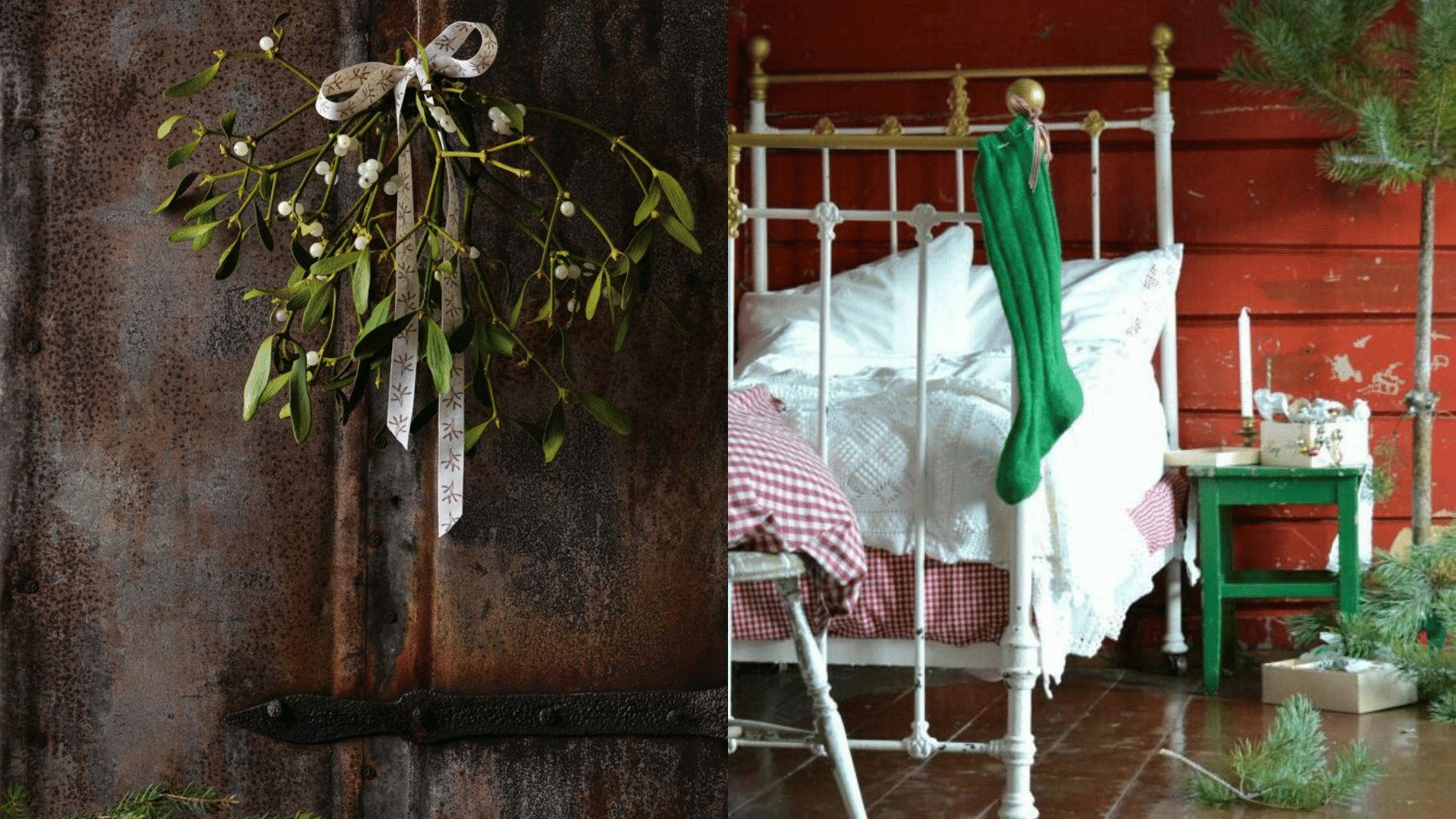
Place a sprig of mistletoe, holly, or ivy under your pillow on New Year’s Eve to dream of your future romantic partner or soulmate.
This Irish tradition extends the Christmas use of mistletoe into the new year for matters of the heart. It’s a magical, hopeful way to drift off to sleep while the new year begins.
- Materials Needed: Fresh sprig of mistletoe/holly/ivy, clean pillowcase, optional dream journal
- Best For: Single individuals seeking love, romantic dreamers, young adults, divination enthusiasts
- Cultural Sensitivity Note: Rooted in Celtic/Druidic practices; mistletoe is toxic, keep wrapped and away from children/pets
15. Eating Collard Greens (Southern United States)
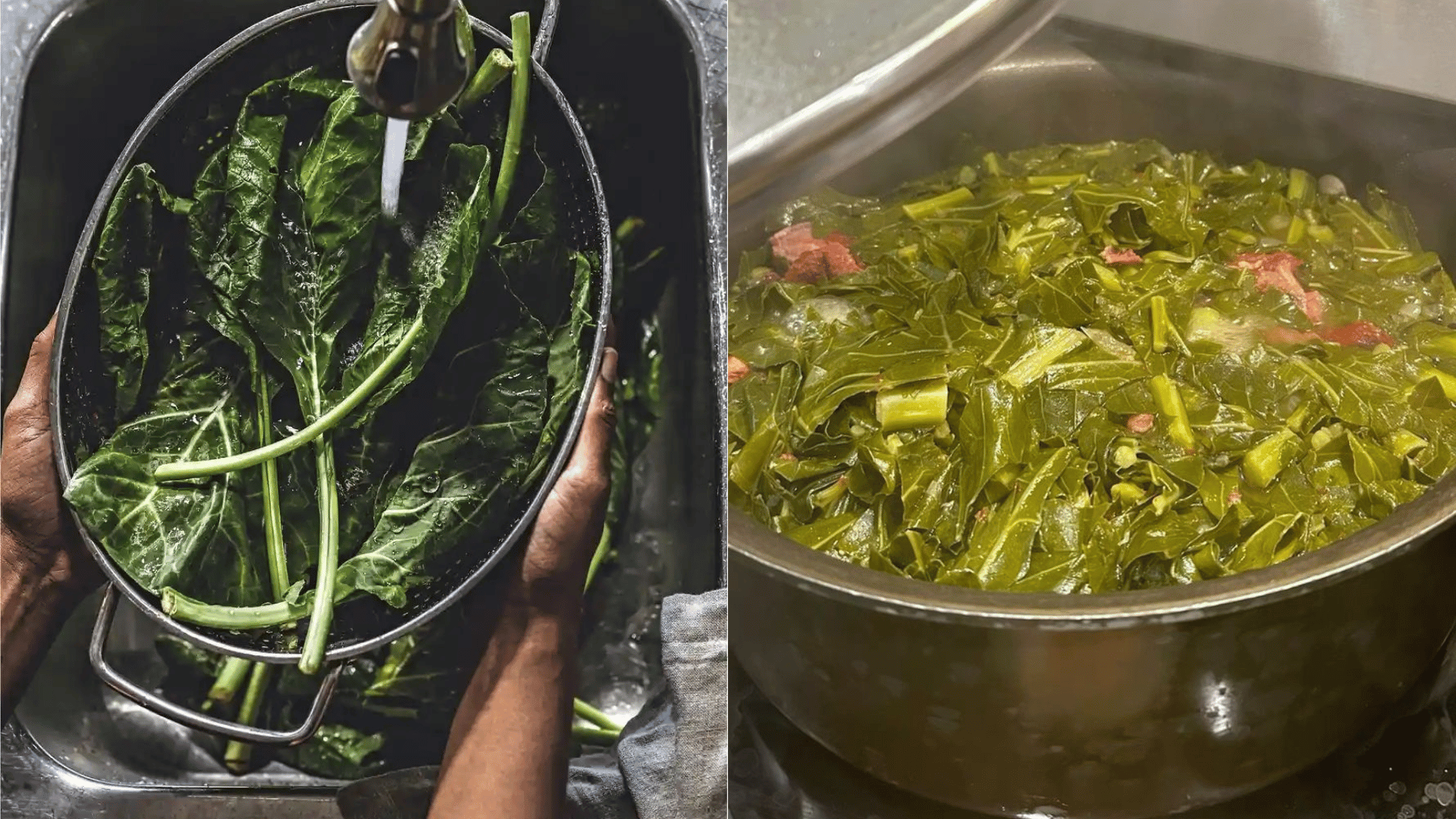
Serve collard greens on New Year’s Day because their green color symbolizes money, paper currency, and financial prosperity. The more greens you eat, the more wealth you’ll supposedly accumulate throughout the year.
Collard greens are typically served alongside black-eyed peas and cornbread for the trifecta of luck, wealth, and prosperity.
- Materials Needed: Fresh or frozen collard greens, bacon or ham hock, seasonings, and a large pot
- Best For: Southern tradition followers, home cooks, families, and financial prosperity seekers
- Cultural Sensitivity Note: Rooted in African American and Southern agricultural culture
16. Jumping Off Chairs at Midnight (Denmark)
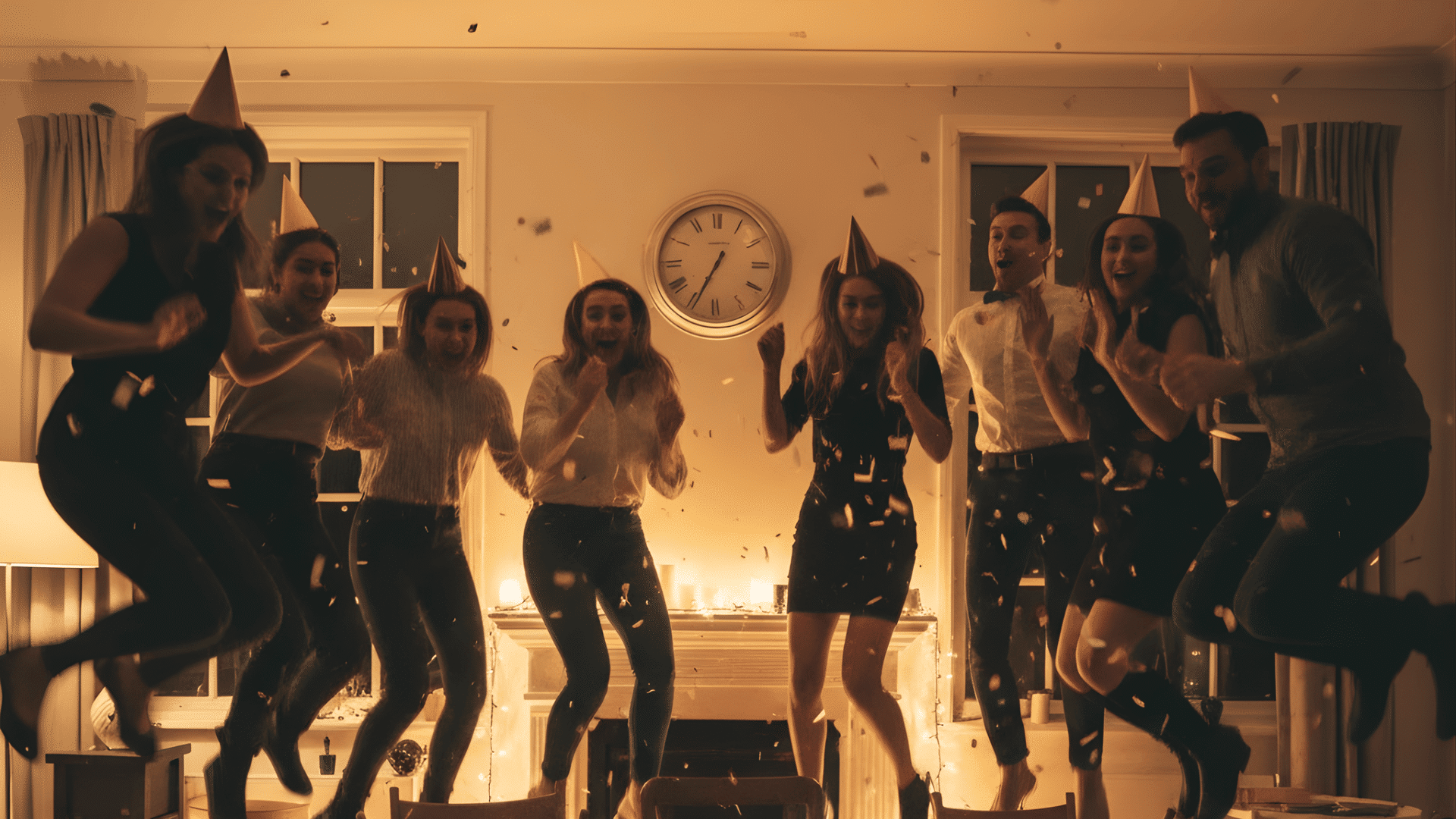
Find the highest piece of furniture and leap off it exactly at midnight to literally “jump into” the new year. This Danish tradition called “hoppe ind i det nye år” is believed to banish evil spirits and bring good luck.
It’s a fun, energetic way to count down to midnight and gets everyone laughing as they take their ceremonial leap.
- Materials Needed: Sturdy furniture (chair/sofa/ottoman), clear landing space, comfortable shoes
- Best For: Families with children, energetic celebrators, party hosts, physically active individuals
- Cultural Sensitivity Note: Ensure furniture stability and safety; adapt with “stepping” for the elderly
17. Opening All Doors and Windows (Southern United States/Philippines)
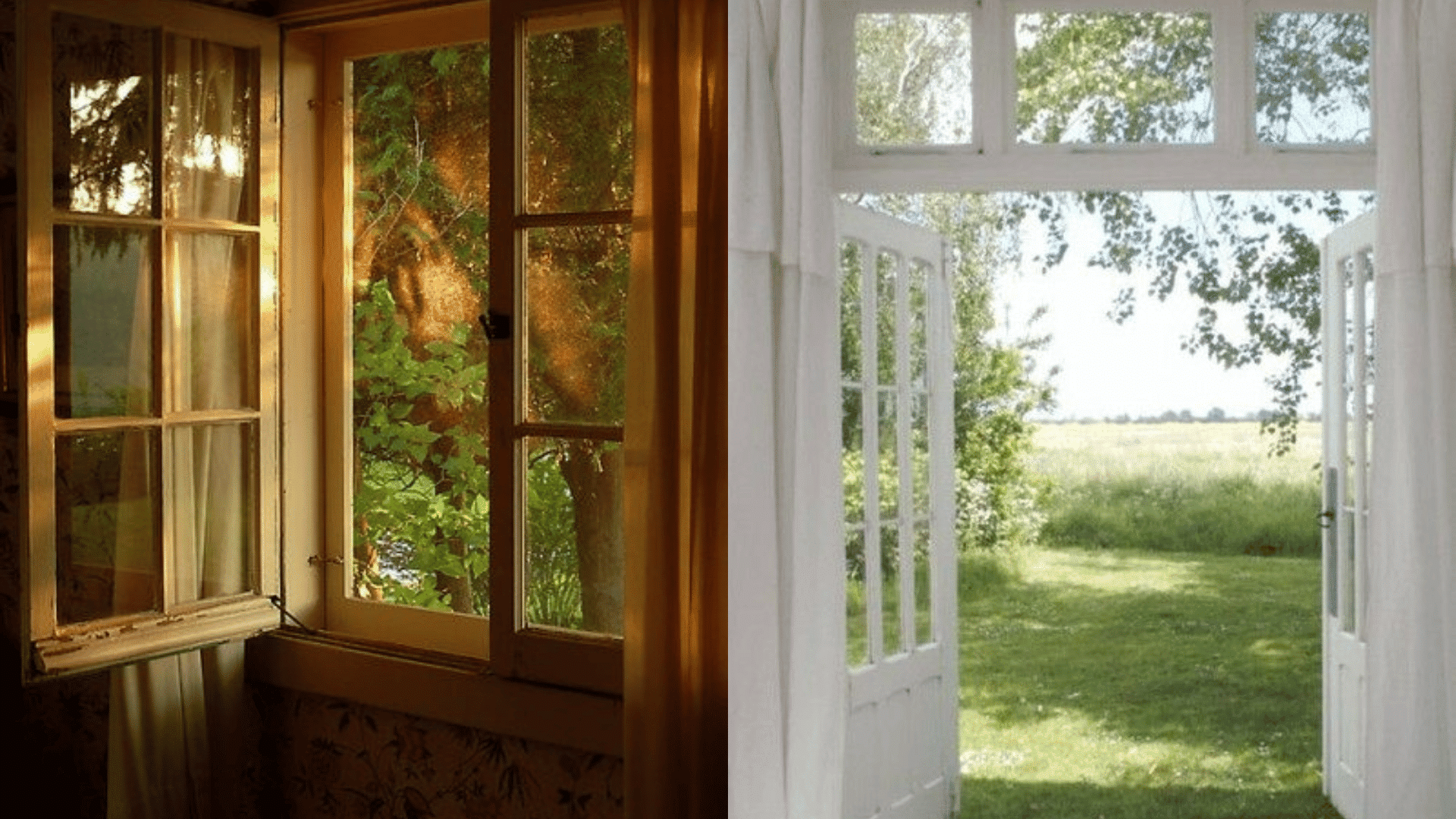
Open every door and window in your home at midnight to let out stagnant, negative energy from the old year and welcome fresh, positive vibes.
This tradition symbolizes the change from past to future and invites new opportunities to flow into your life. Some families also believe this practice invites ancestor spirits to visit and bless the household for the coming year.
- Materials Needed: Access to all home doors and windows, warm clothing (cold climates), 5-10 minute timer
- Best For: Homeowners, spiritual individuals, warm climate residents, fresh start and opportunity seekers
- Cultural Sensitivity Note: Practice exists across cultures; respect the aspects of ancestor veneration aspects
18. Finding Coins in Cake (Greece)
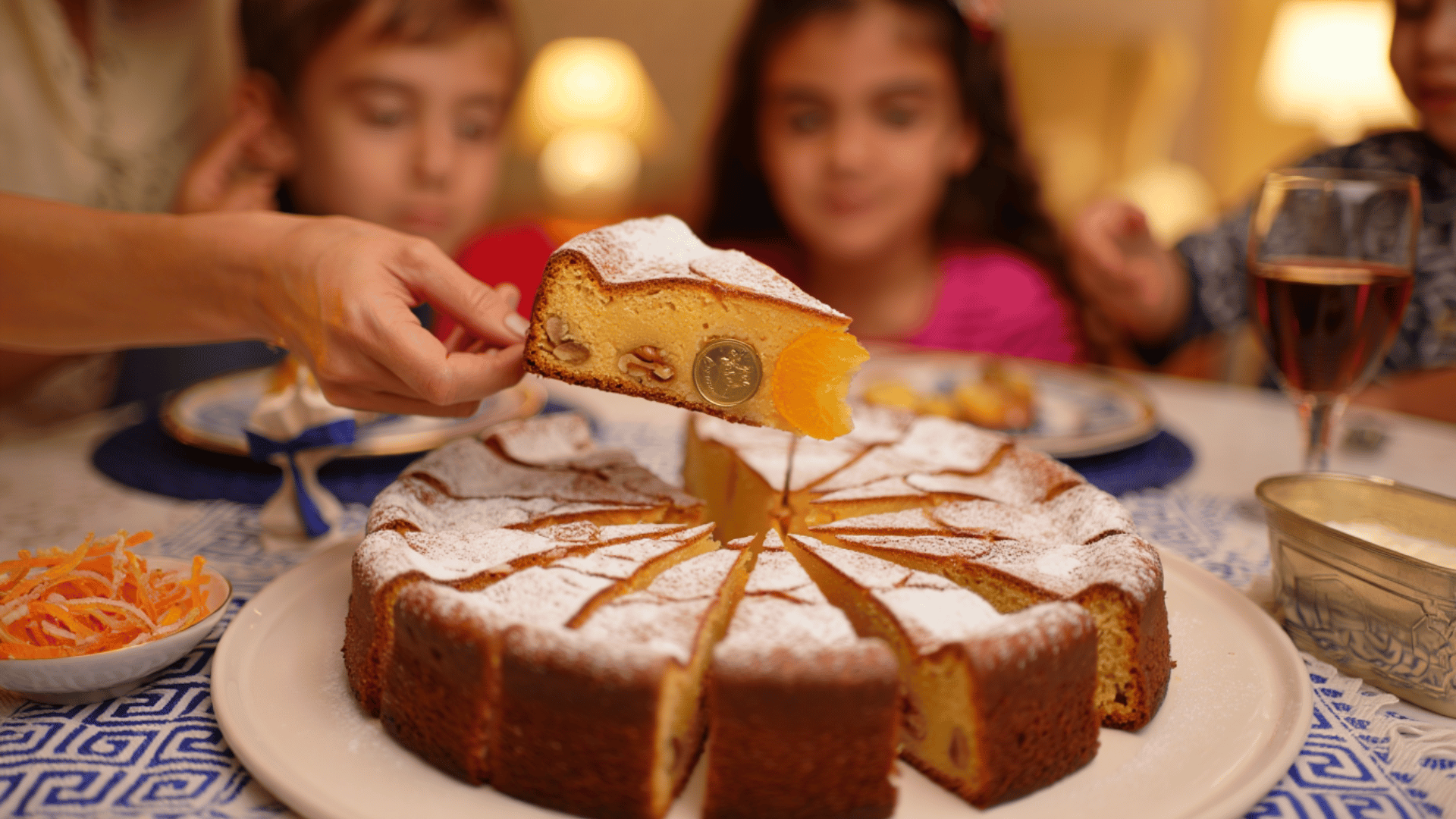
Bake a coin into Vasilopita, a special Greek New Year’s cake or sweet bread, and serve slices to all guests. Whoever finds the coin hidden in their slice will have exceptional good luck, health, and prosperity all year long.
The tradition honors Saint Basil (Vasilis), and the cake is typically cut after midnight on New Year’s Day.
- Materials Needed: Vasilopita recipe ingredients (flour, butter, eggs, sugar, orange zest), wrapped coin
- Best For: Bakers, families with children, Greek heritage celebrators, party hosts, surprise element lovers
- Cultural Sensitivity Note: Greek Orthodox tradition honoring Saint Basil; wrap the coin safely
19. Watching the Times Square Ball Drop (United States)
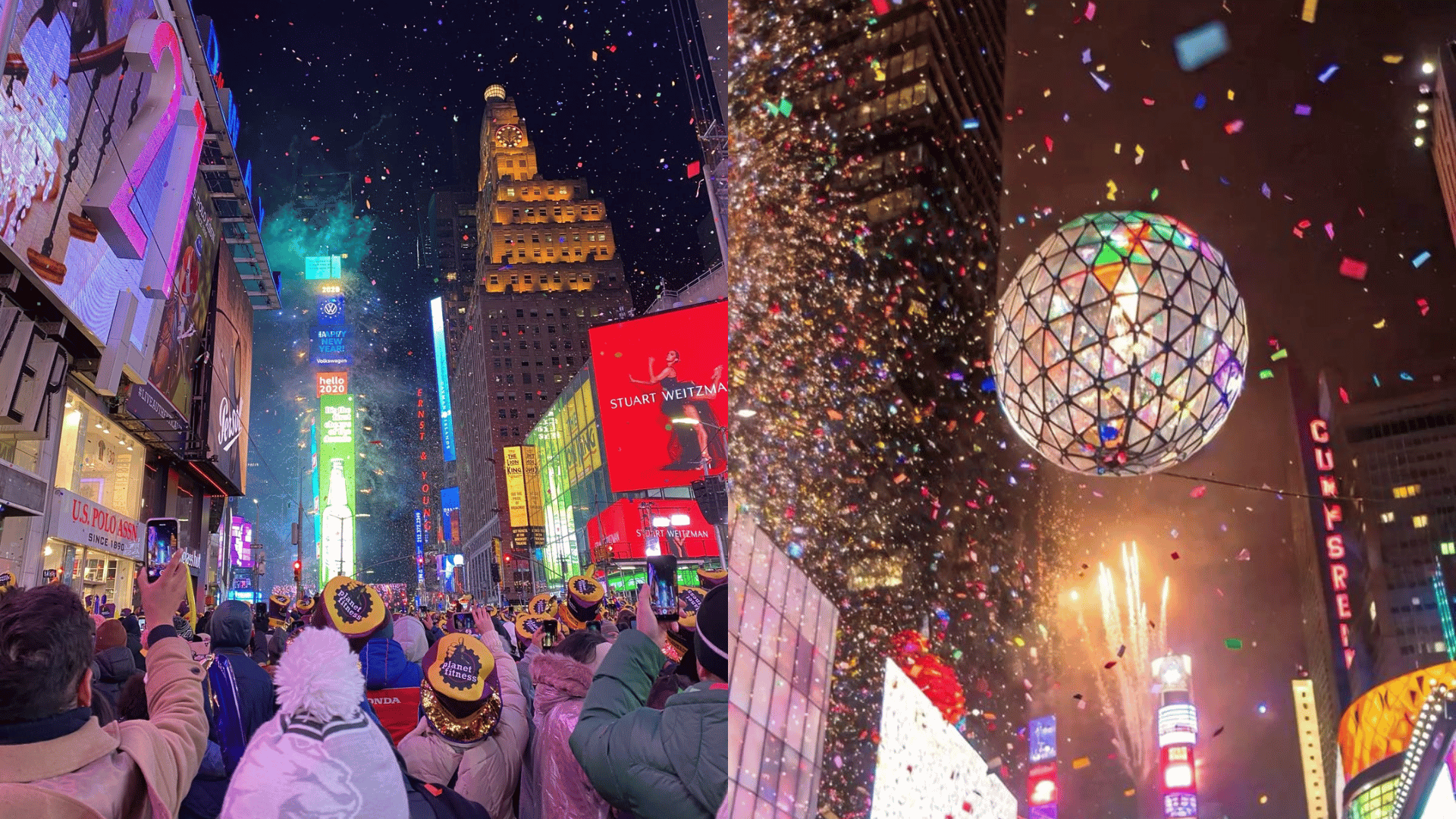
Watch the 12-foot diameter, 11,875-pound geodesic sphere covered in 2,688 Waterford Crystal triangles descend in Times Square at midnight.
This tradition has been a New York City staple since 1907. 32,256 LED lights illuminate the ball and descend the 70-foot flagpole in precisely 60 seconds.
Cities across America host their own versions, dropping everything from peaches in Atlanta to pickles in North Carolina!
- Materials Needed: TV or streaming device, comfortable seating, snacks, and beverages
- Best For: Families, cozy homebodies, nationwide viewers, those unable to attend in-person celebrations
- Cultural Sensitivity Note: Inclusive American tradition welcoming all; respect crowd safety
Making New Year Traditions Your Own
Choosing which new year traditions to try can change an ordinary celebration into something more meaningful.
If someone decides to eat twelve grapes at midnight, or gather with loved ones for a special meal, these rituals create shared moments worth remembering.
New year, good luck traditions connect people across continents through the universal desire for prosperity and happiness.
The beauty lies in picking practices that resonate personally, mixing customs from different cultures, or even creating new family rituals altogether.