

The word gyaru carries more weight than most people realize. It has a history, a culture, and a community behind it, and how you use it says a lot. Is gyaru an insult?
The answer isn’t just yes or no; it depends on who says it, why, and their understanding of its roots.
This guide is here to help you understand the word’s history, tone, and usage, so you can use it with confidence every time.
What Does Gyaru Mean?
The word gyaru comes from the English word gal. Japanese youth borrowed it and gave it a whole new meaning.
It refers to young women who love bold fashion, bright colors, and standing out from the crowd. But it is much more than a look; gyaru is a full subculture.
Starting in the 1990s, it became a symbol of rebellion, giving young women a way to break free from strict social expectations through fashion, slang, and community.
The Origin and History of the Word Gyaru
Gyaru originated as Western slang and has become a Japanese subculture and global trend, with its meaning and tone shifting over time.
| ERA | KEY DEVELOPMENT | CULTURAL IMPACT |
|---|---|---|
| 1970s–1980s | Gal becomes gyaru in Japan | Western influence shapes youth slang |
| 1990s–2000s | Rise of gyaru subculture (Shibuya, kogyaru, ganguro) | Bold fashion + identity movement |
| Modern Era | Spread via anime, TikTok, and K-pop | Global reinterpretation and trend revival |
Is Gyaru Ever Used as an Insult?
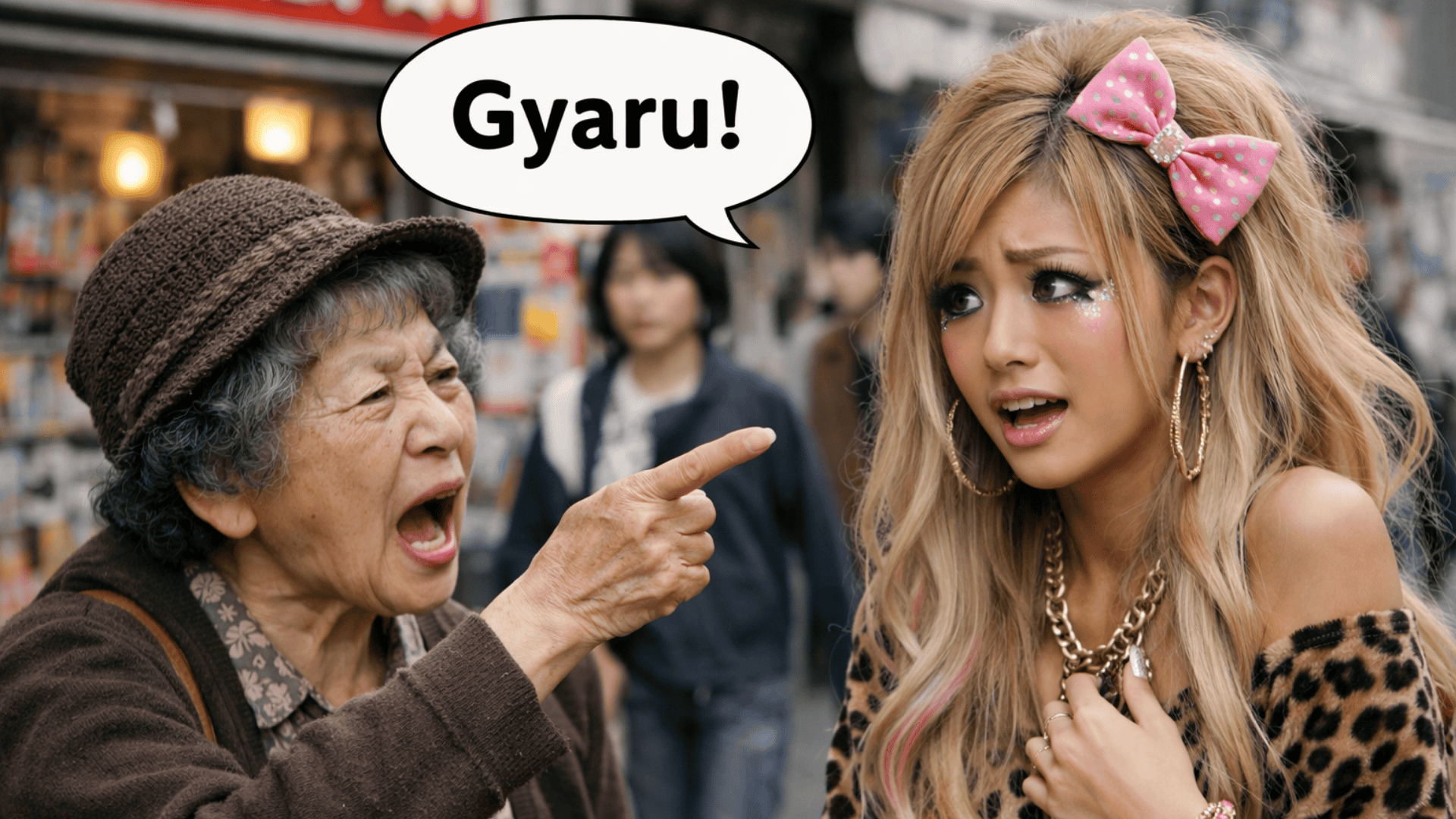
The word gyaru is not inherently offensive, but how it lands depends entirely on who is saying it and why. Understanding the context can really change everything.
1. Neutral Usage
Many women proudly call themselves gyaru as a form of self-identity. To them, it simply describes who they are and the community they belong to.
It is a label they proudly assign to themselves, not one imposed by outside opinions or judgment. Choosing it is part of the identity.
2. Positive Usage
When used positively, gyaru carries a sense of confidence, boldness, and individuality. It celebrates women who are unapologetically themselves and refuse to blend in.
In this light, being called gyaru is a compliment, a nod to someone’s fearless sense of style.
3. Negative or Stereotypical Usage
Not everyone uses the word kindly. Some people use it judgmentally to imply that someone is superficial, loud, or rebellious in an unflattering way.
This usually says more about the speaker’s bias than it does about gyaru culture itself.
Tone Matters: When Gyaru Can Sound Offensive
Tone, context, and intent shape how “gyaru” is perceived, and misunderstandings often happen when its cultural depth is ignored, especially in cases like age limits in gyaru culture, where meaning shifts with maturity and usage.
1. Who Is Saying It
When someone inside the gyaru community uses the word, it feels natural and affirming. When an outsider uses it without understanding the culture, it can easily come across as mocking or reductive.
The same word carries very different weight depending on the speaker’s relationship to the subculture.
2. Context of the Conversation
In casual settings or online gyaru communities, the word flows freely and positively. In more formal or critical conversations, especially outside those spaces, it can take on a judgmental tone.
Where and how the word is used shapes its meaning just as much as the word itself.
3. Intent Behind the Word
There is a clear difference between using ‘gyaru’ to describe someone and to mock them.
Descriptive use is neutral and informative, while mocking use reduces a rich identity to a stereotype. Paying attention to intent helps separate genuine cultural appreciation from casual dismissiveness.
How Native Japanese Speakers Use Gyaru Today
Japanese speakers’ use of “gyaru” has shifted since the 1990s and 2000s. It’s still part of the culture, but its role and reach have changed.
- Less common in daily conversation than it once was, though still widely understood.
- Older generations may use it with a slightly negative tone, while younger speakers use it more neutrally.
- Anime, dramas, and social media influencers have kept the gyaru image alive and visible.
- Gyaru culture faded from the mainstream after the early 2000s, as dedicated spaces closed.
- A passionate niche community, driven largely by international fans, is fueling a quiet revival.
Gyaru in Western Internet Culture
Gyaru has gained a new online following, especially on TikTok, where its bold makeup style has gone viral. However, Western internet culture often uses the word loosely, ignoring its deeper cultural roots.
Many trends borrow the style without understanding what gyaru actually means in Japan.
This has sparked conversations about cultural appropriation, where inspiration crosses into disrespect. Engaging with gyaru meaningfully means appreciating the culture behind it, not just the look.
Over time, this shift becomes clearer as gyaru is separated from its cultural roots, with many treating it as a style rather than an identity, a trend that links back to gyaru fashion identity, where style and meaning connect.
How to Use the Word Gyaru Correctly
Using the word gyaru respectfully comes down to awareness and intention. Understanding its cultural roots makes a real difference in how it lands.
- Always use gyaru as a descriptive term, never as a judgment or insult
- Respect its Japanese cultural origins and the community it represents
- Avoid using it in formal or professional settings where context may be unclear
- “She follows gyaru fashion” is respectful, “she looks like a gyaru” can sound dismissive
- When unsure of the context or audience, pause and add clarification before using it
Wrapping It Up
Gyaru is not an insult, but it can become one in the wrong hands. Its word history runs deep, rooted in rebellion, identity, and self-expression.
Tone and intent matter; when used respectfully, they honor a culture that gave women a bold voice.
Used carelessly, it reduces that same culture to a punchline. Now that you have the full usage guide, you have no excuse to get it wrong.