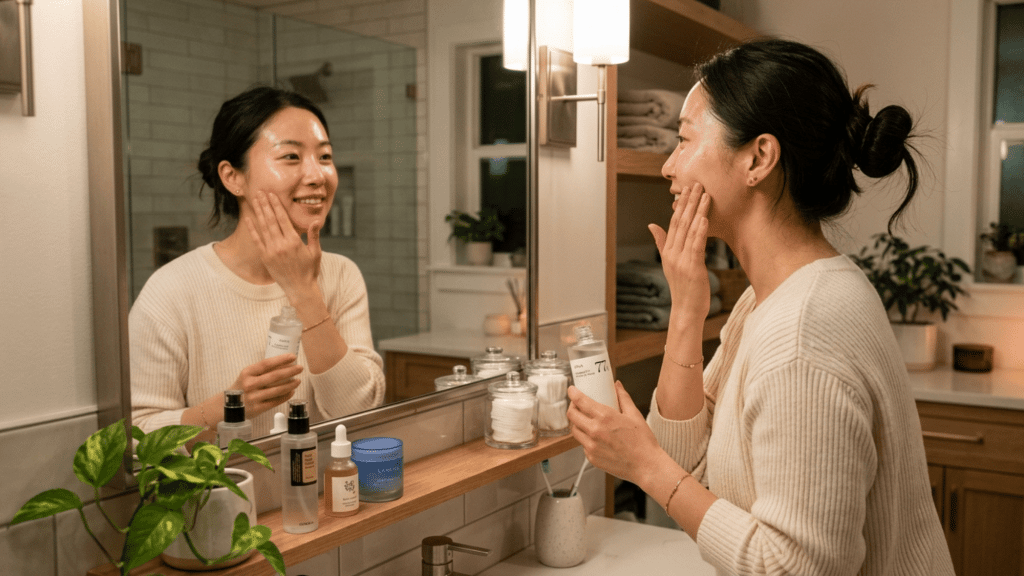
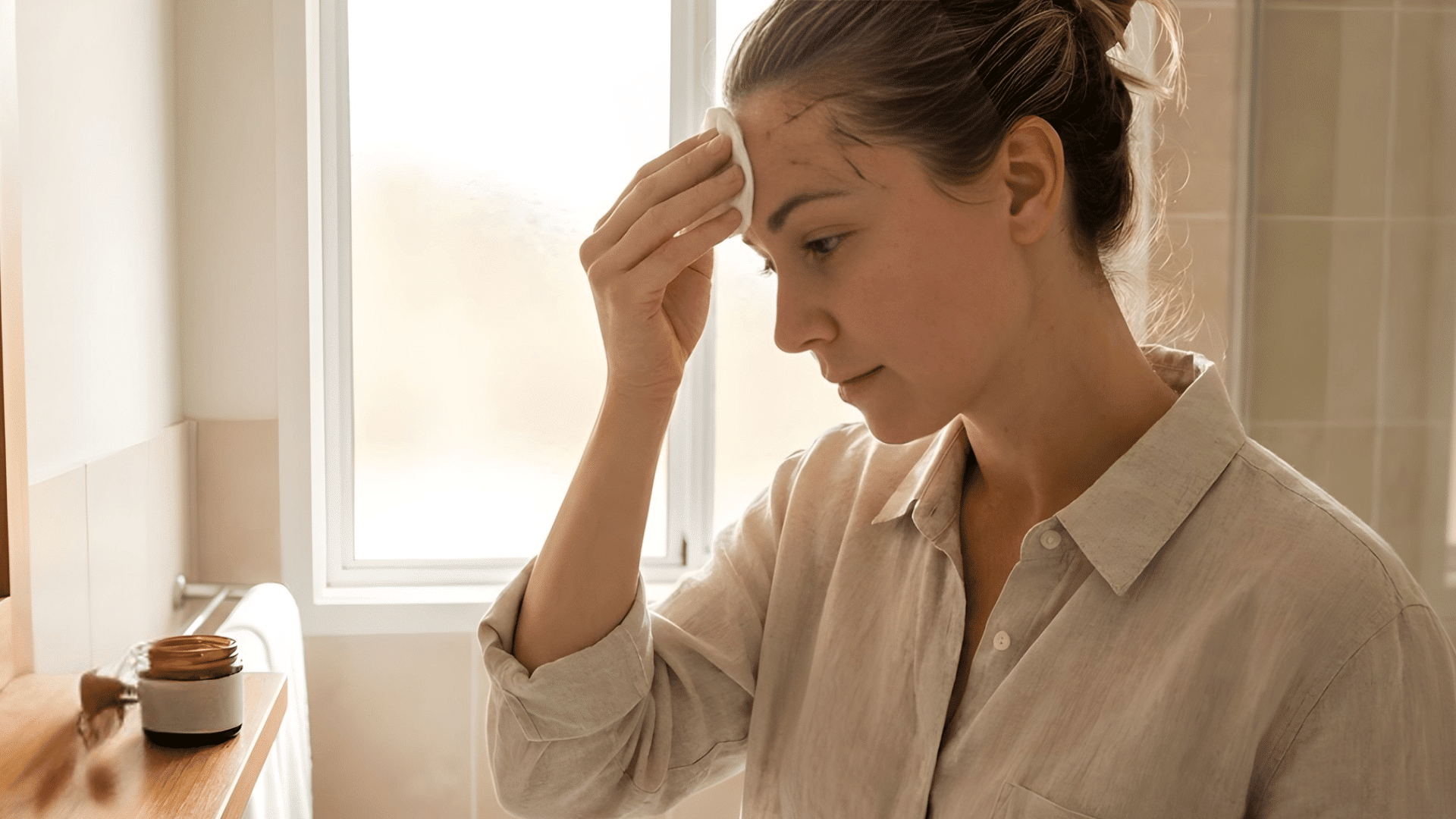
Hair dyeing at home offers convenience and cost savings, but it often comes with a side effect.
Those stubborn color stains can turn a successful DIY hair change into a frustrating cleanup mission. But these stains are temporary and removable.
Learning how to get hair color off skin is straightforward, and most people can tackle these marks using simple household items already sitting in their bathroom or kitchen cabinets.
From gentle oil-based solutions to slightly more abrasive scrubs, multiple methods work depending on where the stain is located.
Why Hair Dye Stains Your Skin?
Hair dye contains powerful pigments and chemicals like ammonia and peroxide designed to penetrate hair cuticles and deliver long-lasting color.
When dye makes contact with skin during application, it seeps into the outer layer and bonds with skin cells, creating visible stains.
Understanding this staining mechanism is essential for anyone learning to remove hair dye from skin; the forehead, hairline, ears, neck, and hands are most vulnerable since they’re closest to the application zone.
Fresh stains are significantly easier to address than ones that have had time to set and dry. Dry skin also absorbs pigment more readily than well-moisturized skin.
Gentle Methods for Face and Hairline
The skin on the face and around the hairline is fragile and requires gentler treatment than the hands or other body parts. Harsh scrubbing or chemicals can cause irritation, redness, and sensitivity in these areas.
1. Soap and Warm Water

This should always be the first line of defense when dealing with fresh hair dye stains. The simplicity of this method makes it accessible for immediate action, and it works surprisingly well when applied correctly.
For anyone wondering how to get hair color off skin quickly, this is the starting point.
- Apply a gentle facial cleanser or mild soap directly onto dry, stained skin
- Massage into the stain using circular motions for 30 seconds, then add warm water
- Rinse thoroughly with warm water and pat dry with a clean towel
- Repeat if necessary, avoiding excessive scrubbing
Pro Tip: Applying soap to dry skin before adding water helps it penetrate and lift the dye more than washing with soap and water simultaneously.
2. Baby Oil or Olive Oil
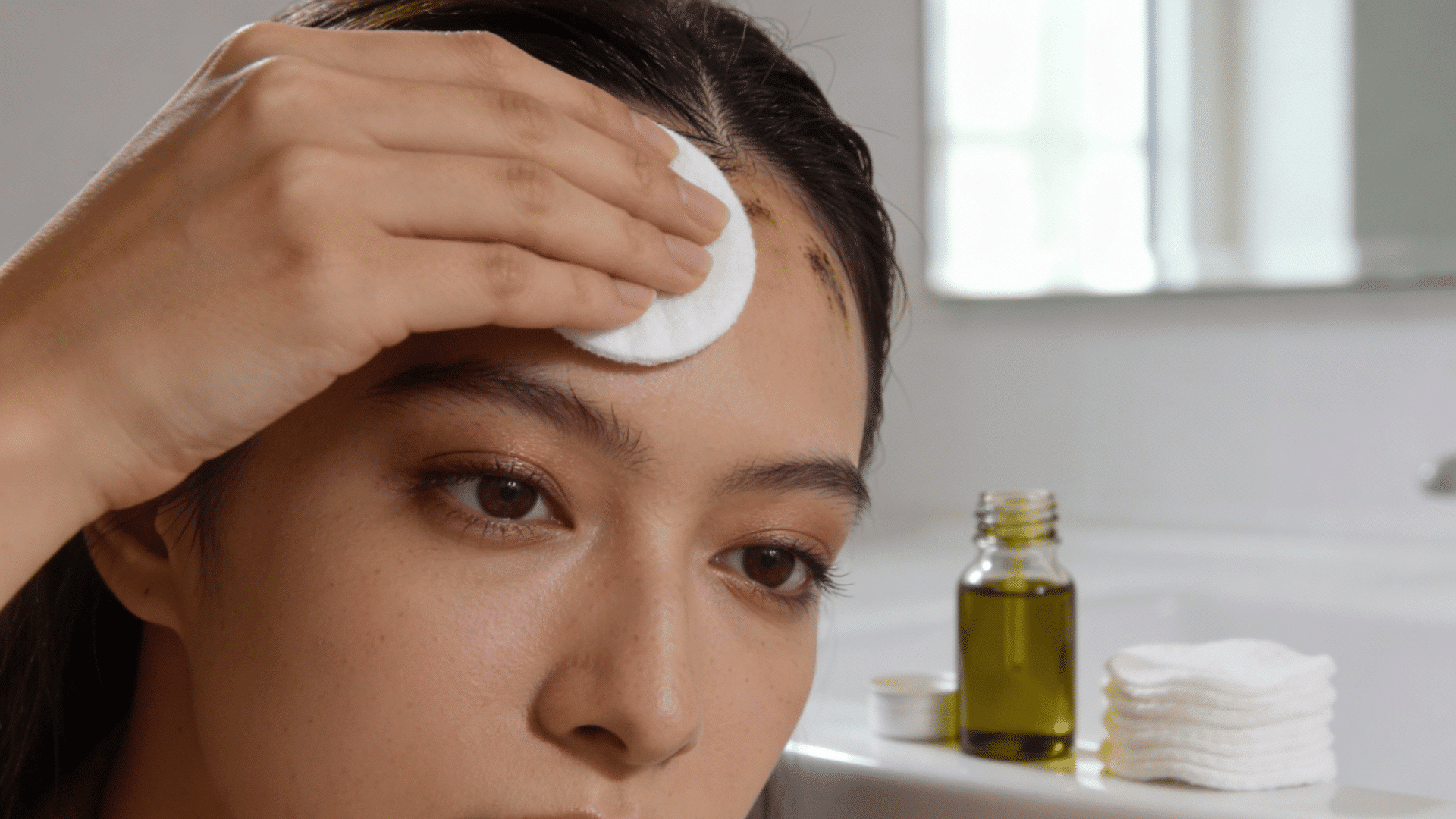
Oil-based solutions are incredibly effective for facial stains because they work gently without harsh chemicals. The natural dissolving properties of oil make this one of the safest options for sensitive facial skin.
- Pour baby oil or olive oil onto a cotton pad and press against the stained area
- Massage in circular motions for 1-2 minutes
- For stubborn stains, leave on for up to 8 hours or overnight with a cotton pad covering
- Wash with warm water and facial cleanser to remove oily residue
Pro Tip: Olive oil not only removes stains but also moisturizes skin, making it an excellent choice for people with dry or sensitive skin types.
3. Non-Gel Toothpaste
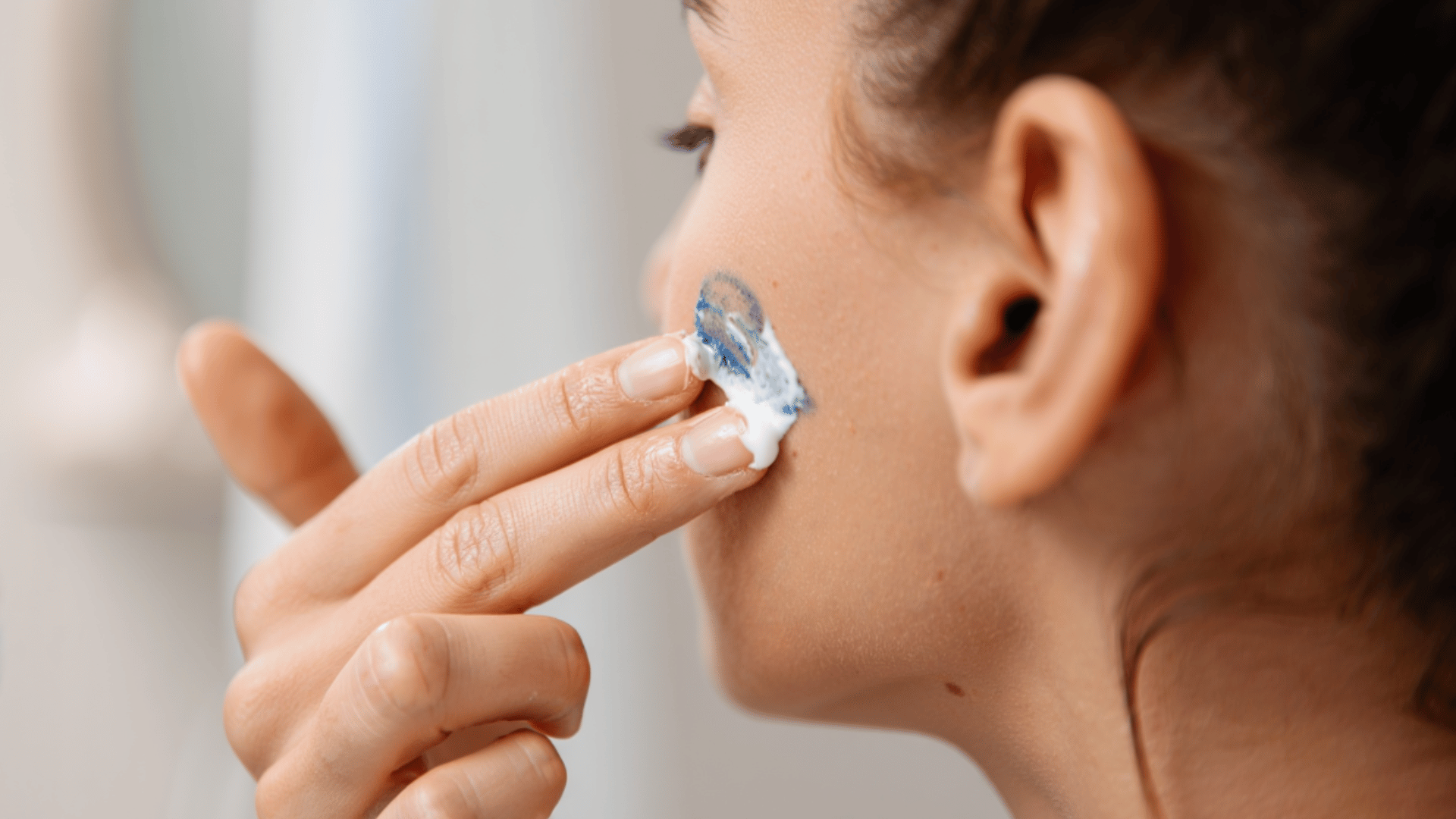
The mild abrasives found in regular toothpaste make it a surprisingly effective stain remover. This bathroom staple works best on relatively fresh stains and provides gentle exfoliation without damaging delicate facial skin.
Many people find success with this method when learning how to get hair color off skin using items already at home.
- Choose non-gel, white toothpaste and apply a pea-sized amount to the stain
- Rub gently using small circular motions for 30-60 seconds
- Let it sit for 5-10 minutes
- Wipe away with a damp washcloth, rinse thoroughly, and pat dry
Pro Tip: If the skin becomes red or uncomfortable while the toothpaste is on, remove it immediately and rinse with cool water. Follow up with moisturizer since this method can be slightly drying.
4. Makeup Remover
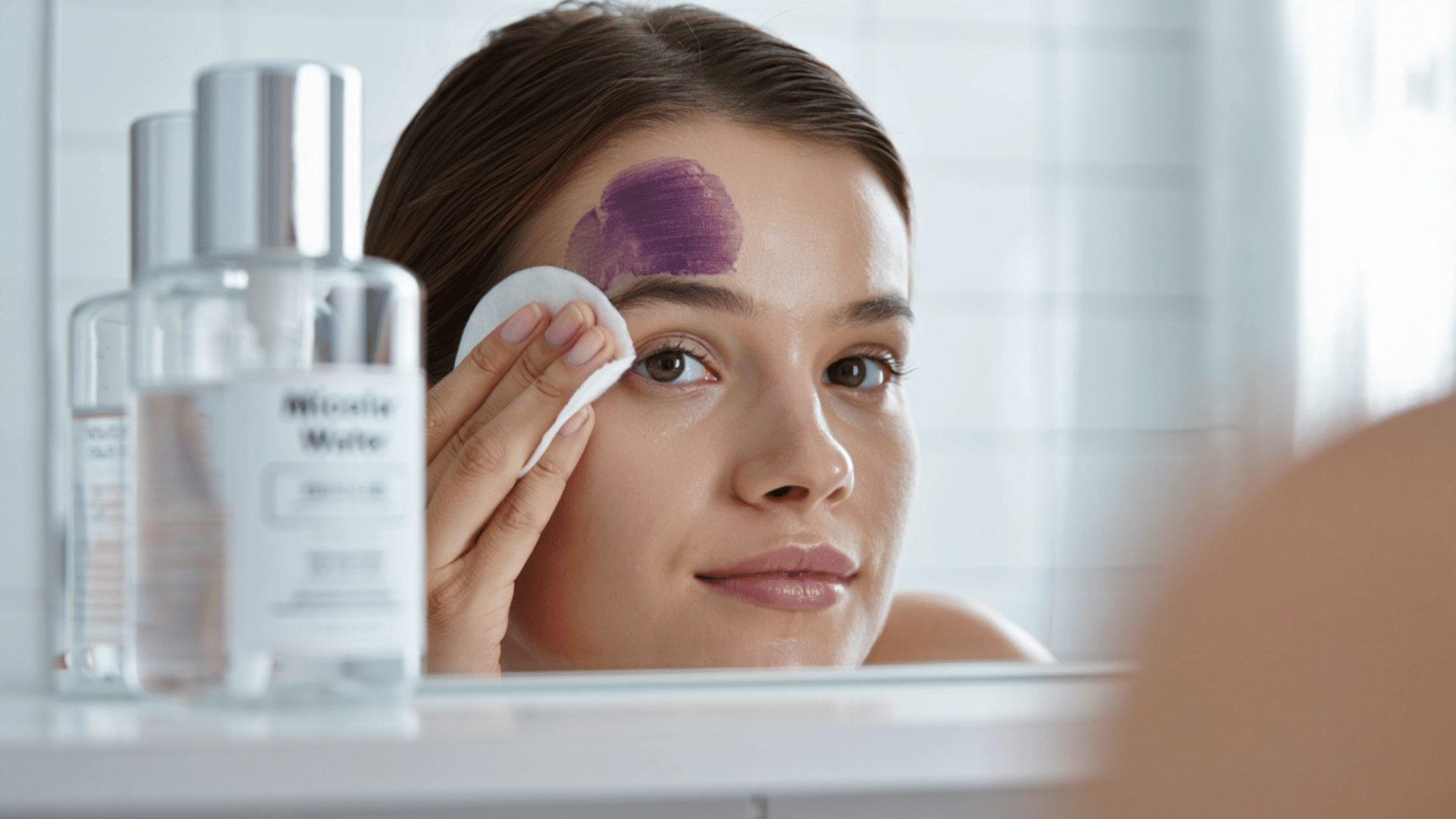
Makeup removers are specifically formulated to break down pigments on facial skin, which makes them best for hair dye stains.
The gentle yet effective formula won’t strip natural oils or irritate the hairline area, making it perfect for anyone seeking to remove hair dye from skin safely.
- Saturate a cotton pad with oil-based or micellar makeup remover
- Press against the stained area for 5-10 seconds
- Wipe using circular motions, flipping to clean sections as dye transfers
- Repeat 2-3 times until the stain fades, then rinse and moisturize
Pro Tip: Keep makeup remover wipes handy during hair dyeing sessions for quick cleanup of accidental splatters before they have time to set into the skin.
5. Petroleum Jelly
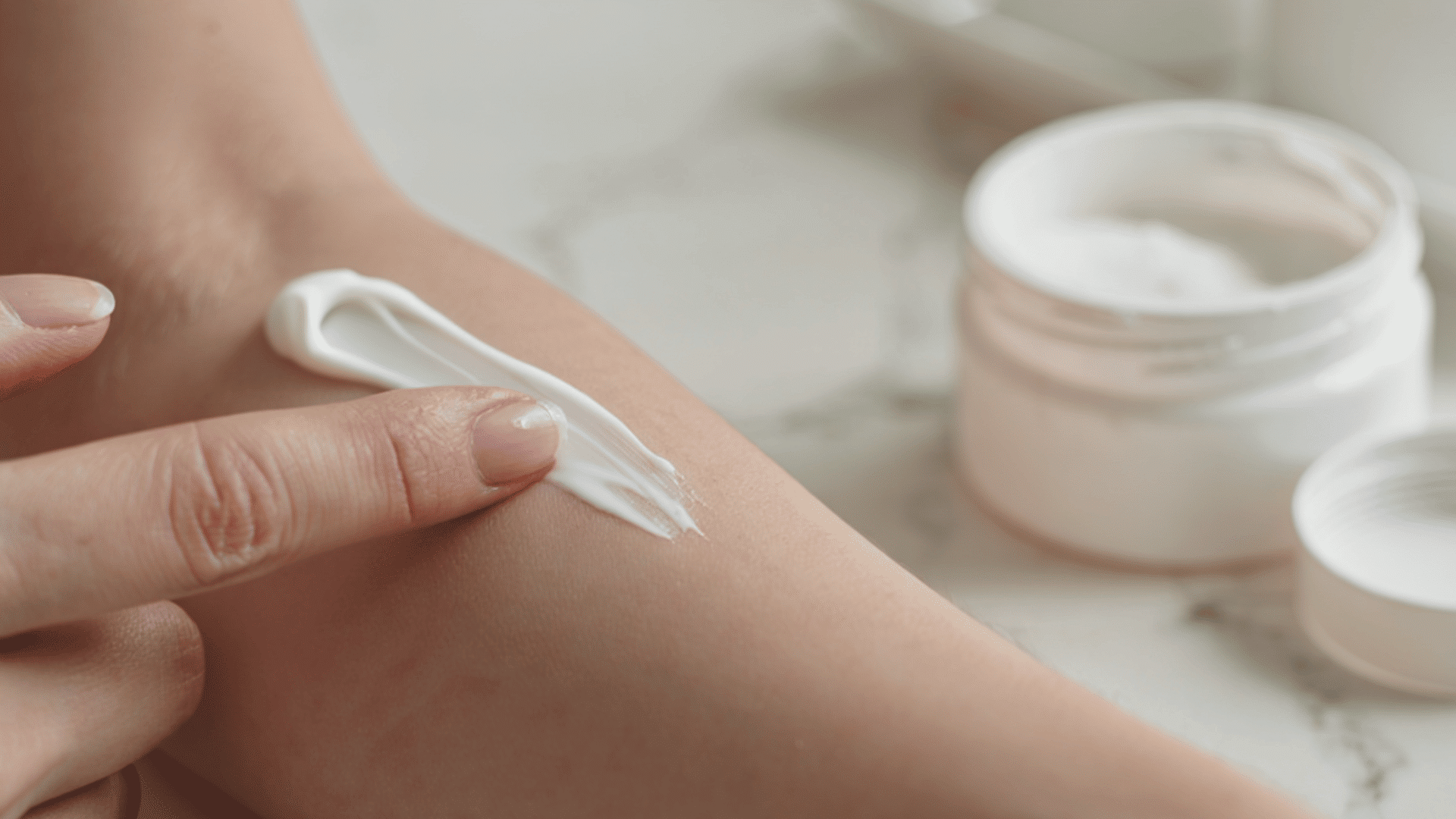
Petroleum jelly offers versatility as both a preventative measure and an effective stain remover. Its thick, occlusive texture allows it to break down dye pigments while simultaneously protecting and moisturizing the skin.
- Apply a generous, thick layer of petroleum jelly to the stained area
- Massage gently for 1-2 minutes using circular motions
- Let it sit for 10-15 minutes, or overnight for tough stains, with a cotton pad covering
- Wipe away with a damp washcloth, then wash with warm water and cleanser
Pro Tip: Apply petroleum jelly around the hairline, ears, and neck before starting the dyeing process to create a protective barrier that prevents stains from forming in the first place.
6. Reapplying Hair Dye
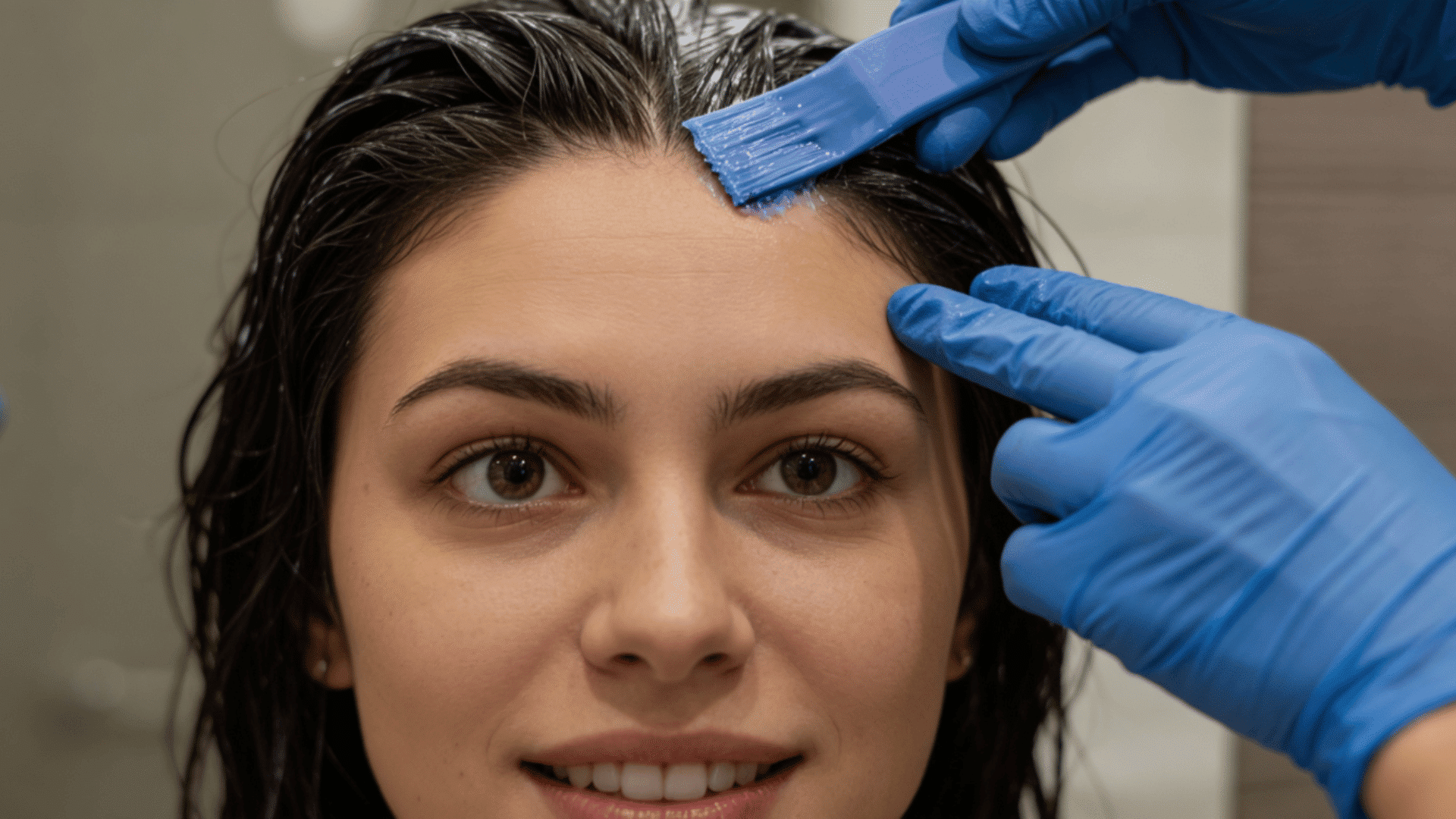
This professional colorist trick might seem unusual, but it works remarkably well. The fresh dye reactivates the dried pigments on skin, liquefying them and making removal much easier than scrubbing at set stains.
Professionals frequently recommend this approach when advising clients on how to remove hair dye from skin effectively.
- Using a gloved finger, apply a small amount of leftover dye onto the stained skin
- Massage over the stain for 10-20 seconds to reactivate dried pigments
- Apply shampoo over the area and massage it in with the dye before adding water
- Wipe away with a damp washcloth, then rinse thoroughly with warm water and soap
Pro Tip: Colorists use this method around the hairline and ears right before rinsing hair color. The combination of residual dye plus shampoo lifts facial stains before they fully set, making it a preventative cleanup step rather than a corrective one.
Stronger Methods for Hands, Nails, and Body
The skin on hands and body can tolerate slightly more aggressive removal methods than facial skin.
These techniques use stronger ingredients and more abrasive materials to tackle stubborn stains that haven’t responded to gentler approaches.
1. Baking Soda and Dish Soap Paste
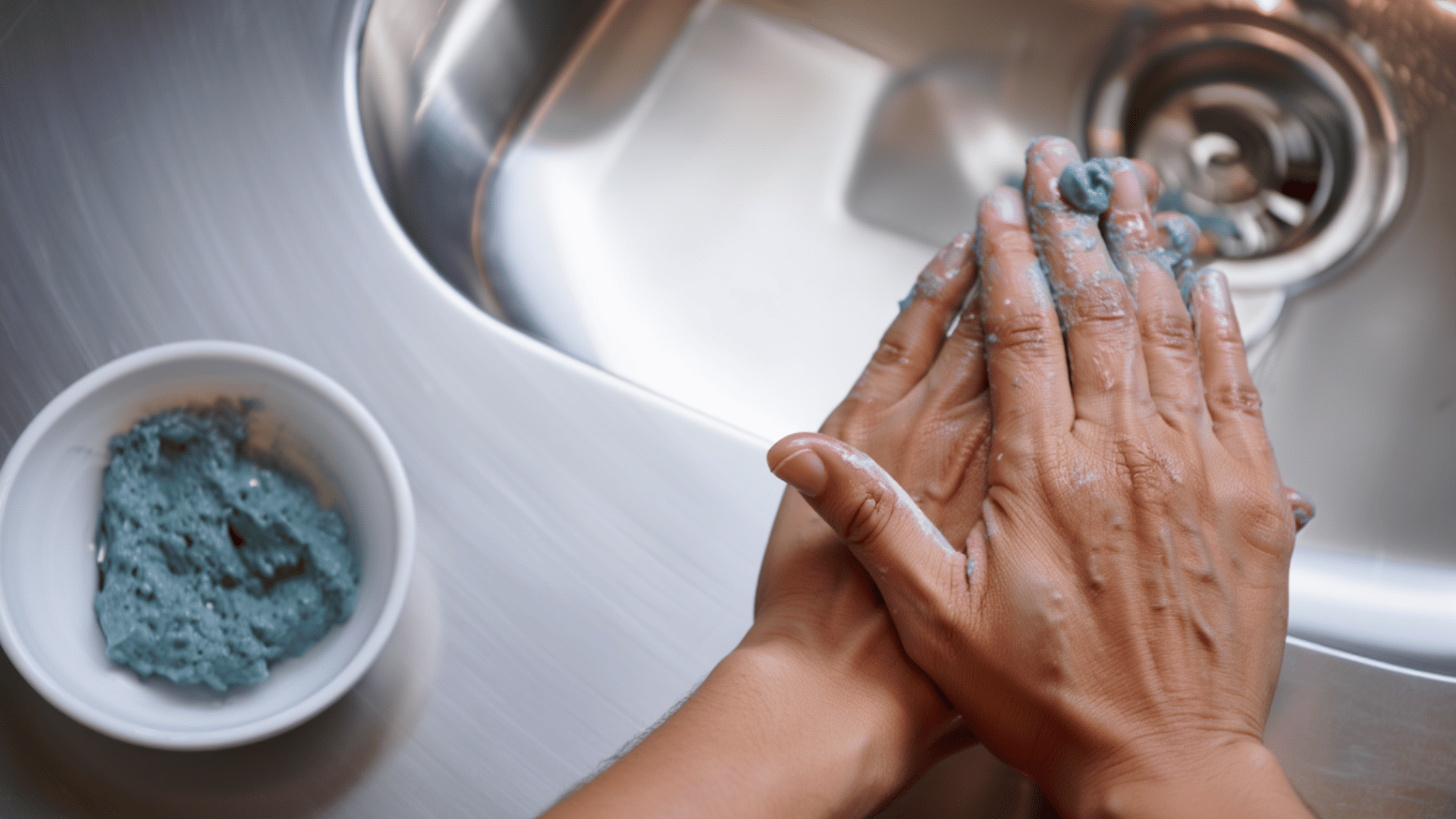
This powerful combination creates a gentle scrub that breaks down hair dye pigments.
The dish soap cuts through the dye while baking soda provides mild exfoliation, making this a go-to method for how to get hair color off skin on hands and arms.
- Mix equal parts baking soda and dish soap (preferably one with lemon) to form a paste
- Apply the paste to stained areas and gently scrub in circular motions for 30-60 seconds
- Let it sit for 1-2 minutes if the stain is particularly stubborn
- Rinse thoroughly with warm water and apply hand moisturizer
2. Baking Soda and Water Paste
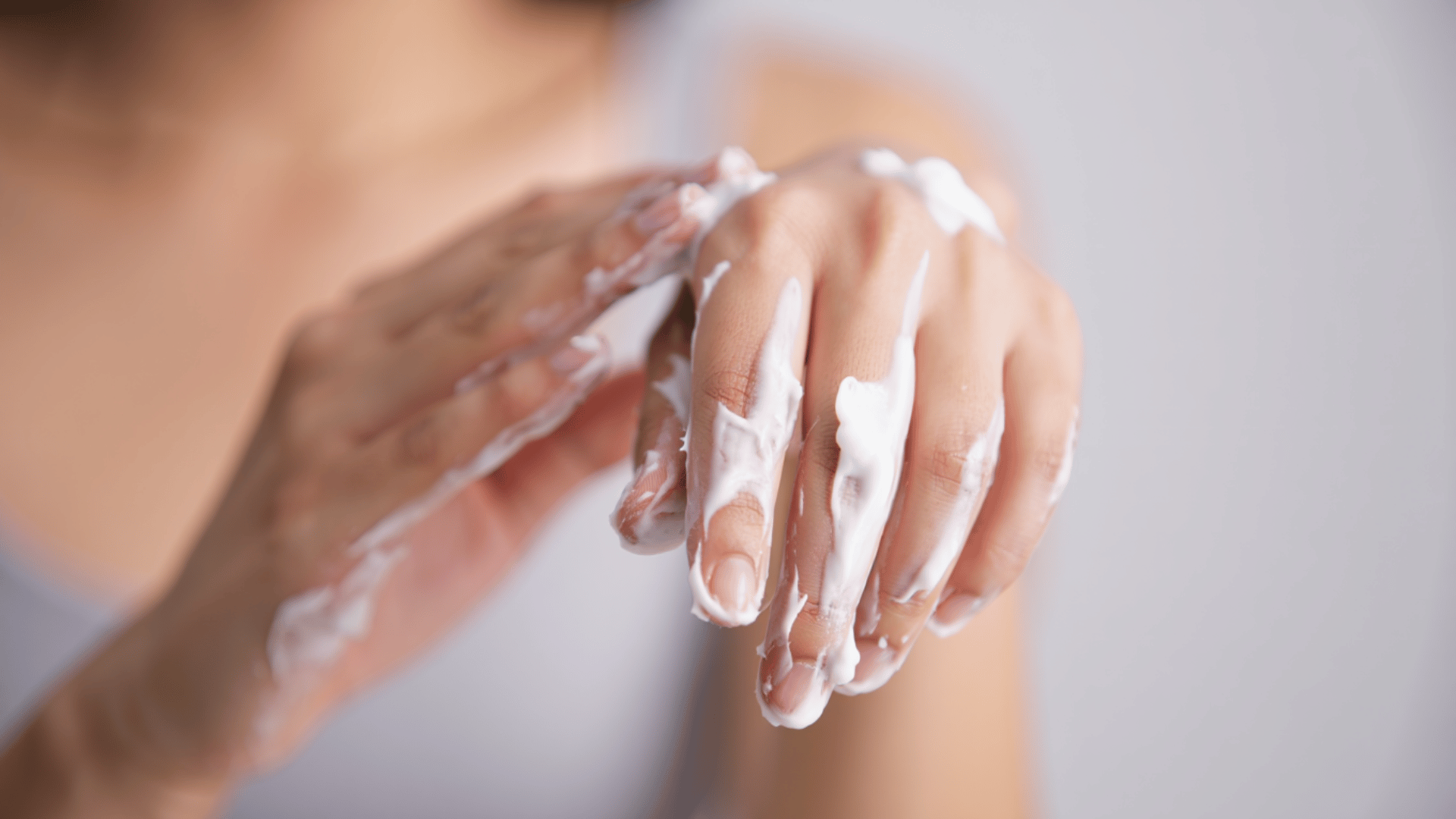
This simplified version uses just two ingredients for a quick stain removal solution.
The mild abrasive quality of baking soda makes it perfect for exfoliating away dye-stained skin cells without harsh chemicals, offering a straightforward answer for removing hair dye from skin on hands.
- Mix baking soda with small amounts of water until it forms a thick, spreadable paste
- Apply the paste generously to stained skin and gently massage for 1-2 minutes
- Focus on stained areas using small circular motions with moderate pressure
- Rinse with warm water and follow up with moisturizer to prevent dryness
3. Rubbing Alcohol
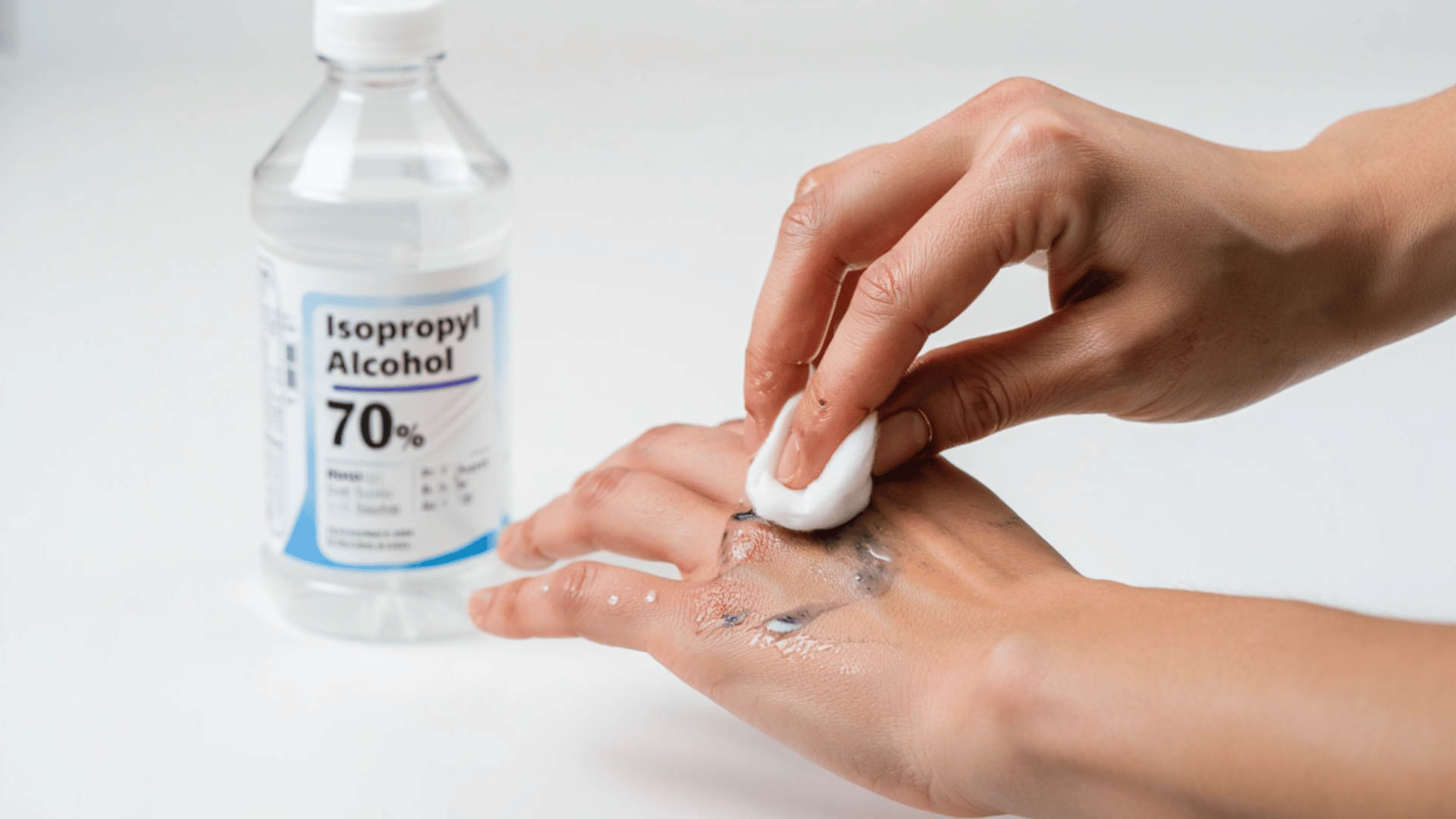
Rubbing alcohol is a potent solvent that breaks down hair dye pigments quickly and efficiently. This method works particularly well on hands and body areas, but should be used with caution due to its drying properties.
- Dampen a cotton ball or pad with rubbing alcohol (70% or 91% isopropyl)
- Gently rub the stained area using circular motions for 30-60 seconds
- Reapply fresh rubbing alcohol to the cotton as needed until the stain lifts
- Wash your hands immediately with soap and water, then apply a rich moisturizer
4. Nail Polish Remover (Acetone)
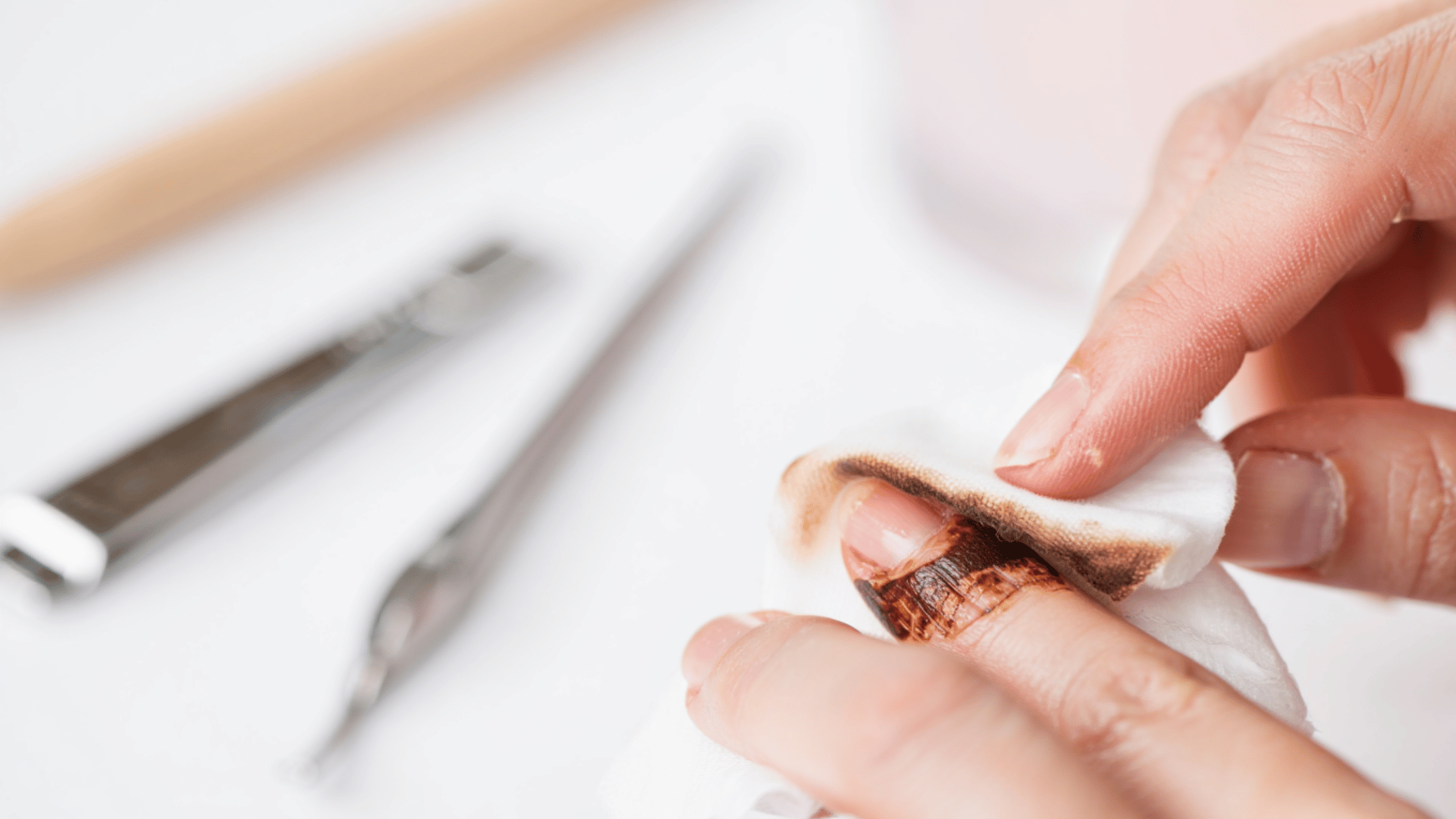
Acetone-based nail polish remover is highly effective at dissolving hair dye from skin and nails. This powerful solvent works quickly but requires immediate follow-up care to prevent skin damage.
It’s particularly useful for removing hair dye from skin around and under fingernails, where dye tends to settle.
- Apply a small amount of acetone-based nail polish remover to a cotton ball
- Gently rub the stained area, paying special attention to stained cuticles and nail beds
- Work quickly to minimize skin contact time with the harsh chemical
- Wash thoroughly with soap and water immediately after, then moisturize generously
5. Lemon Juice and Baking Soda
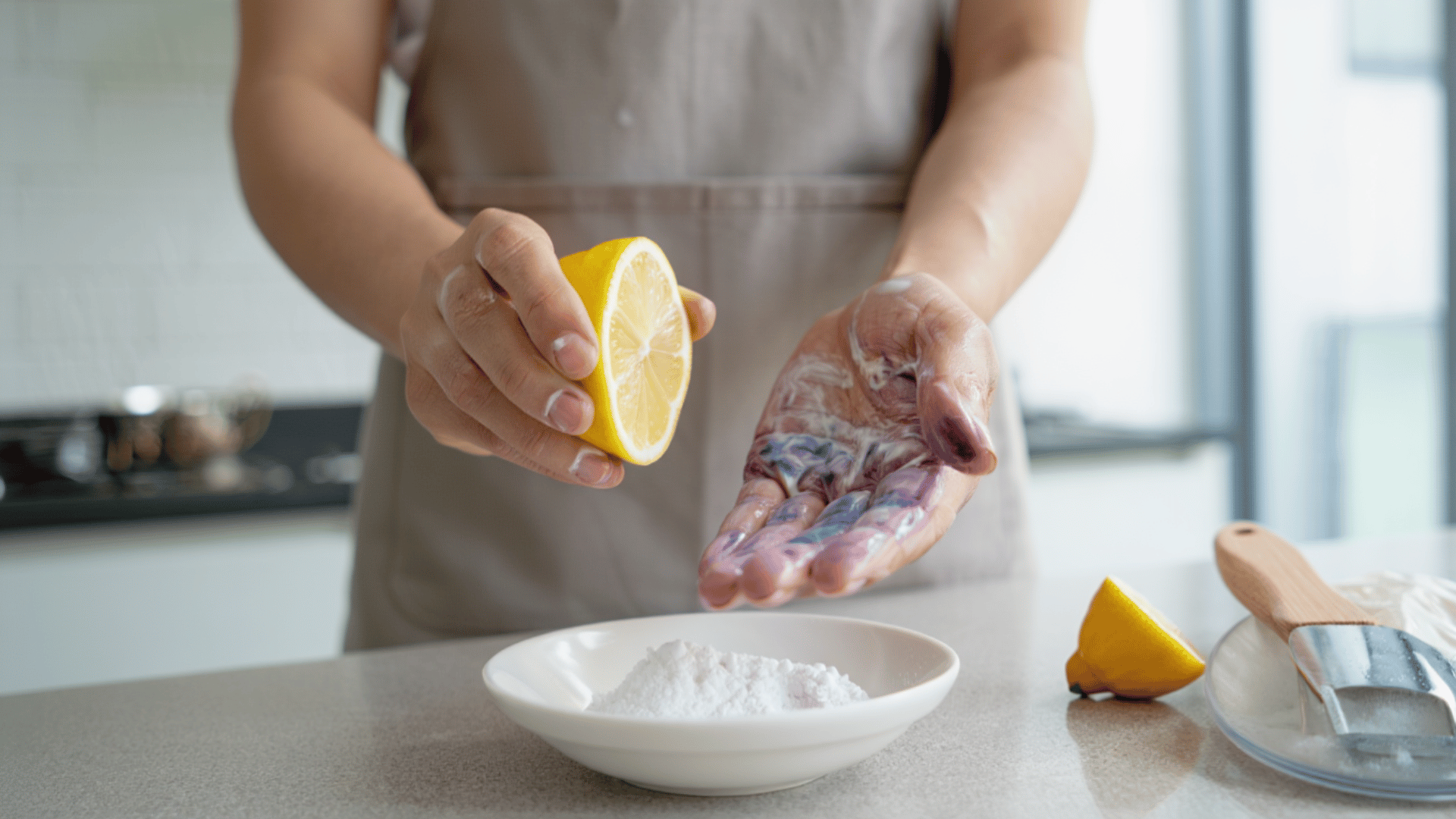
The natural bleaching properties of lemon juice combined with baking soda’s gentle abrasion create a powerful stain-removal treatment.
This natural remedy offers an effective approach for how to remove hair dye from skin using ingredients commonly found in most kitchens.
- Mix fresh lemon juice with baking soda to form a spreadable paste
- Apply the mixture to stained areas and gently massage for 1-2 minutes
- Let it sit for 3-5 minutes to allow the citric acid to work
- Rinse with lukewarm water and moisturize immediately
Common Mistakes to Avoid Skin Damage
Knowing which methods to avoid is just as important as knowing which ones work. Certain common mistakes can damage skin, cause irritation, or make stains worse instead of better.
- Never scrub facial skin too hard, as this causes redness, inflammation, and damage to the skin barrier
- Avoid using nail polish remover or acetone on the face or neck since these chemicals can burn delicate skin
- Don’t use manual face scrubs or exfoliating brushes, as they can tear skin and create micro-abrasions
- Skip rubbing alcohol on sensitive areas or dry skin since it strips natural oils and causes cracking
- Resist the urge to pick or scratch at stained skin, which can lead to infection or scarring
- Never apply multiple harsh methods back-to-back without letting skin recover between treatments
When to See a Professional?
Most hair dye stains resolve with home remedies, but some situations require professional help. If stains persist after trying multiple methods or last longer than two weeks, a salon visit might be necessary.
Hair colorists have specialized stain removers explicitly formulated for this purpose.
More importantly, anyone experiencing severe skin reactions like intense itching, swelling, blistering, or persistent redness should consult a dermatologist immediately.
These symptoms could indicate an allergic reaction or chemical burn requiring medical attention. Professional intervention ensures both effective stain removal and skin safety when home treatments fall short.
The Bottom Line
Knowing how to get hair color off skin no longer needs to be a source of stress during at-home dye sessions.
The key is selecting an appropriate removal method based on skin sensitivity, then addressing the issue promptly for optimal results.
Understanding how to remove hair dye from skin using safe, accessible ingredients changes a disaster into a manageable inconvenience.
With practice and preparation, DIY hair coloring becomes less intimidating and more enjoyable.