
The high taper fade vs low taper fade debate shows up everywhere, from barbershops to social media feeds.
Men scroll through many haircut photos trying to figure out which one actually matches their style.
The confusion makes sense because both options look sharp, but choosing wrong can mean weeks of regret. Deciding between high taper vs low taper shouldn’t feel like guesswork.
Face shape, hair texture, workplace environment, and personal preferences all play a role. Understanding the distinction between these styles leads to better results that actually match expectations.
What is a Low Taper Fade?
A low taper fade starts just above the ears and blends the hair down to the neckline. This style keeps the transition subtle and close to the base of the head, creating a clean but understated look.
The low taper maintains more length on the sides compared to other fade styles, making it perfect for professional settings.
It works well with medium to long hair on top and grows out gracefully between barber visits. This conservative approach suits round, oval, and longer face shapes while pairing well with styles like side parts.
What is a High Taper Fade?
A high taper fade begins near the temples, typically 2-3 inches above the ears, and creates dramatic contrast as it blends into longer hair on top.
This bold style features a sharp, fast change that emphasizes the hair’s length and volume above.
The high taper delivers an edgy, modern look that stands out in any setting. It works exceptionally well with high-volume styles like pompadours, quiffs, and afros.
This cut suits square and angular face shapes while reducing bulk in thick or coarse hair. However, it requires more frequent maintenance than its low taper counterpart.
High Taper Fade Vs Low Taper Fade: The Ultimate Showdown
Choosing between a high taper fade and a low taper fade comes down to contrast and subtlety. Each offers a different vibe depending on your hair type, face shape, and style goals.
| Factor | High Taper Fade | Low Taper Fade |
|---|---|---|
| Styling flexibility | Limits side styling options | Allows more side styling |
| Heat and sweat comfort | Cooler in hot climates | Retains more warmth |
| Visibility of mistakes | Errors show quickly | Small mistakes are less noticeable |
| Perceived age effect | Often looks younger and trend-focused | Often looks more mature |
| Suitability for DIY trims | Not ideal for self-touch-ups | Easier for light self-maintenance |
Best Hairstyles for Low Taper Fade
The low taper fade works beautifully with styles that emphasize length and volume on top while keeping the sides clean and professional.
When comparing high taper vs low taper options, the low version pairs especially well with these popular combinations that complement its subtle fade.
1. Side Part
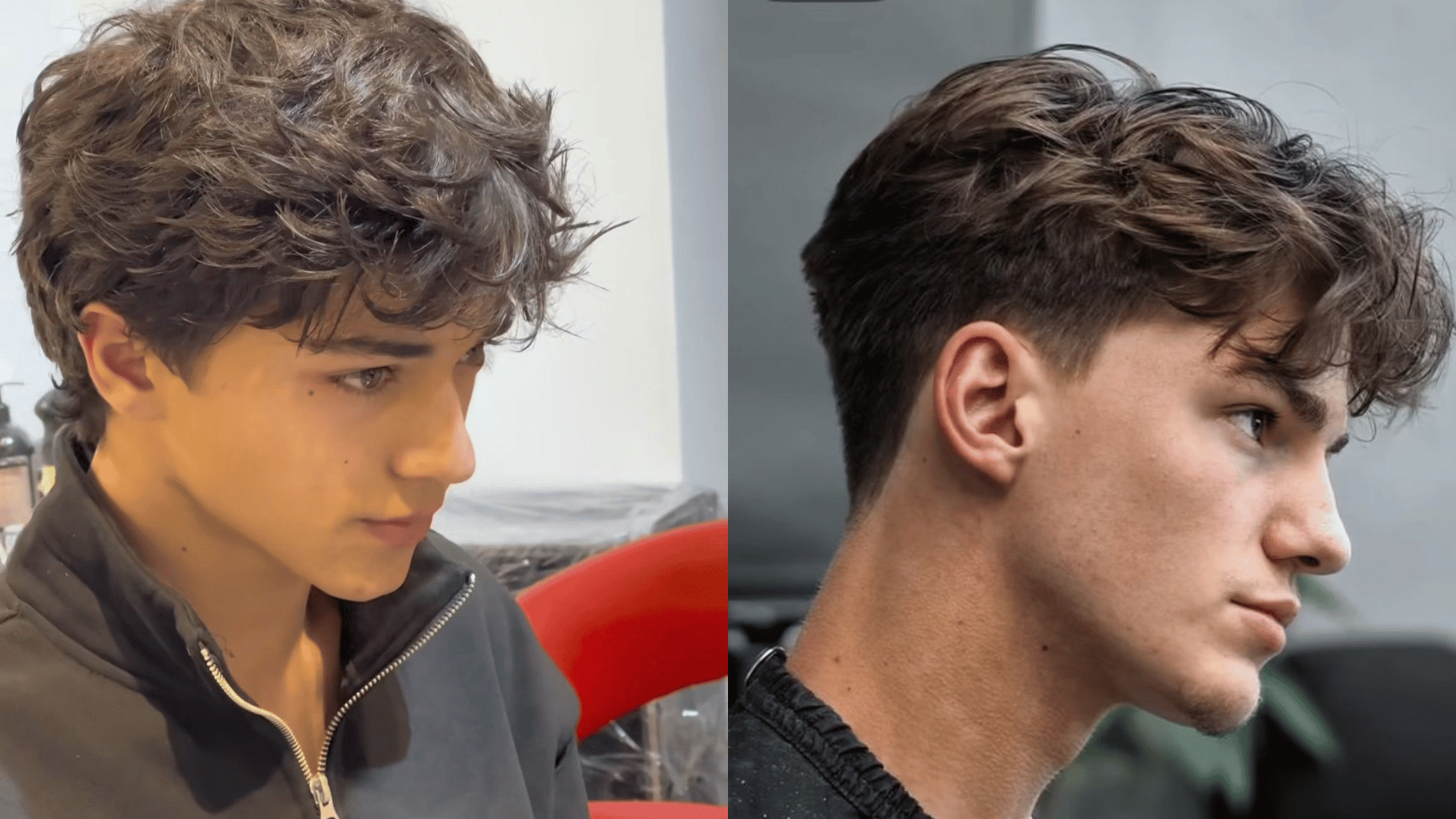
A side part paired with a low taper creates one of the most polished, business-ready looks available.
The clean lines on the sides draw attention to the defined part, making it perfect for anyone wanting a sleek appearance that works in any professional setting.
- Top Length: 3-5 inches
- Recommended Age: All ages, especially 25+
- Hair Type: Straight to wavy, medium to thick
2. Comb Over
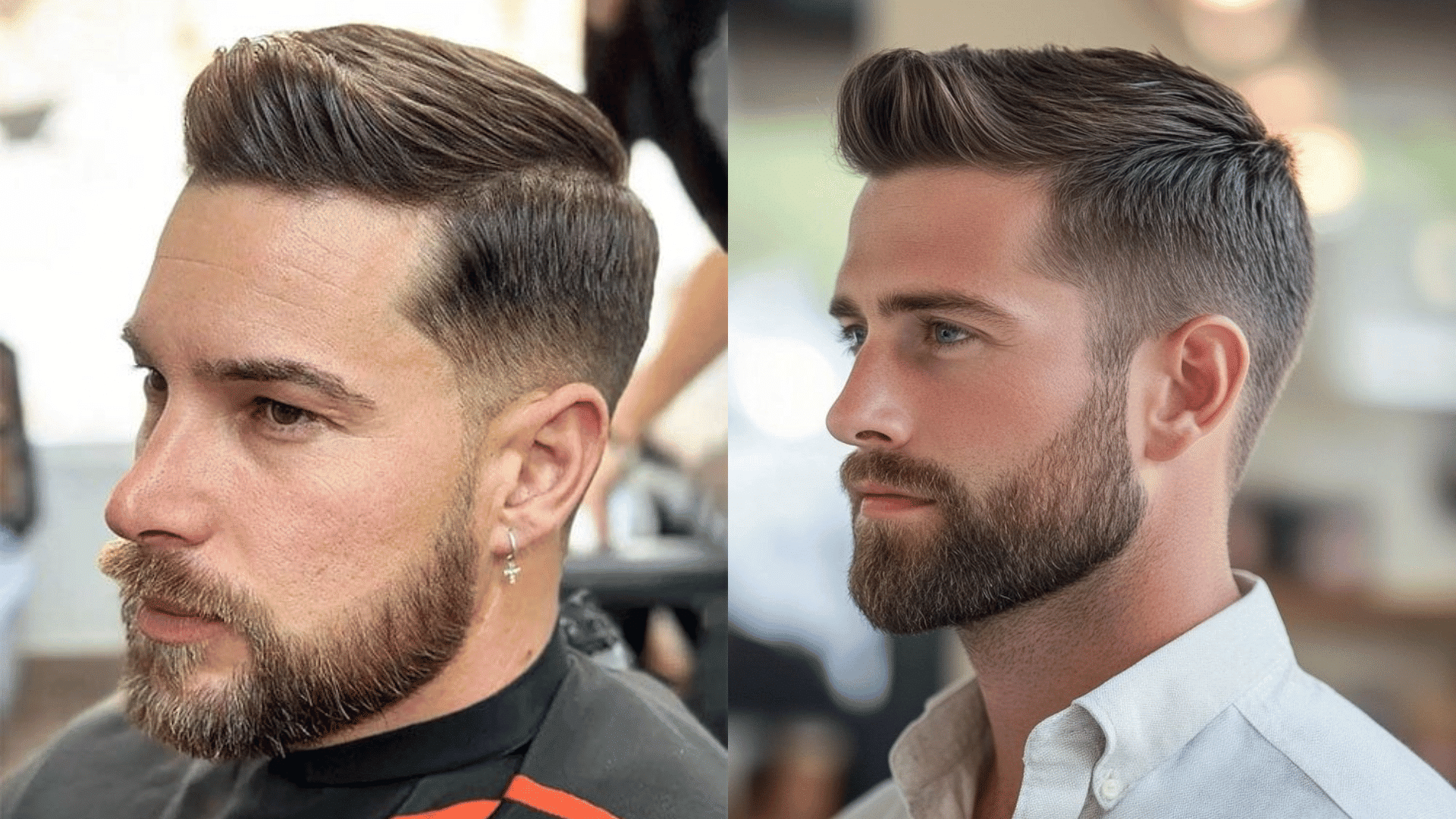
The comb over gets a modern update when combined with a low taper fade. This pairing balances the swept hair on top with gradual fading on the sides, creating a silhouette that looks equally good in boardrooms and casual outings.
- Top Length: 3-6 inches
- Recommended Age: 30s and up
- Hair Type: All types, works best with straight or wavy
3. Slick Back
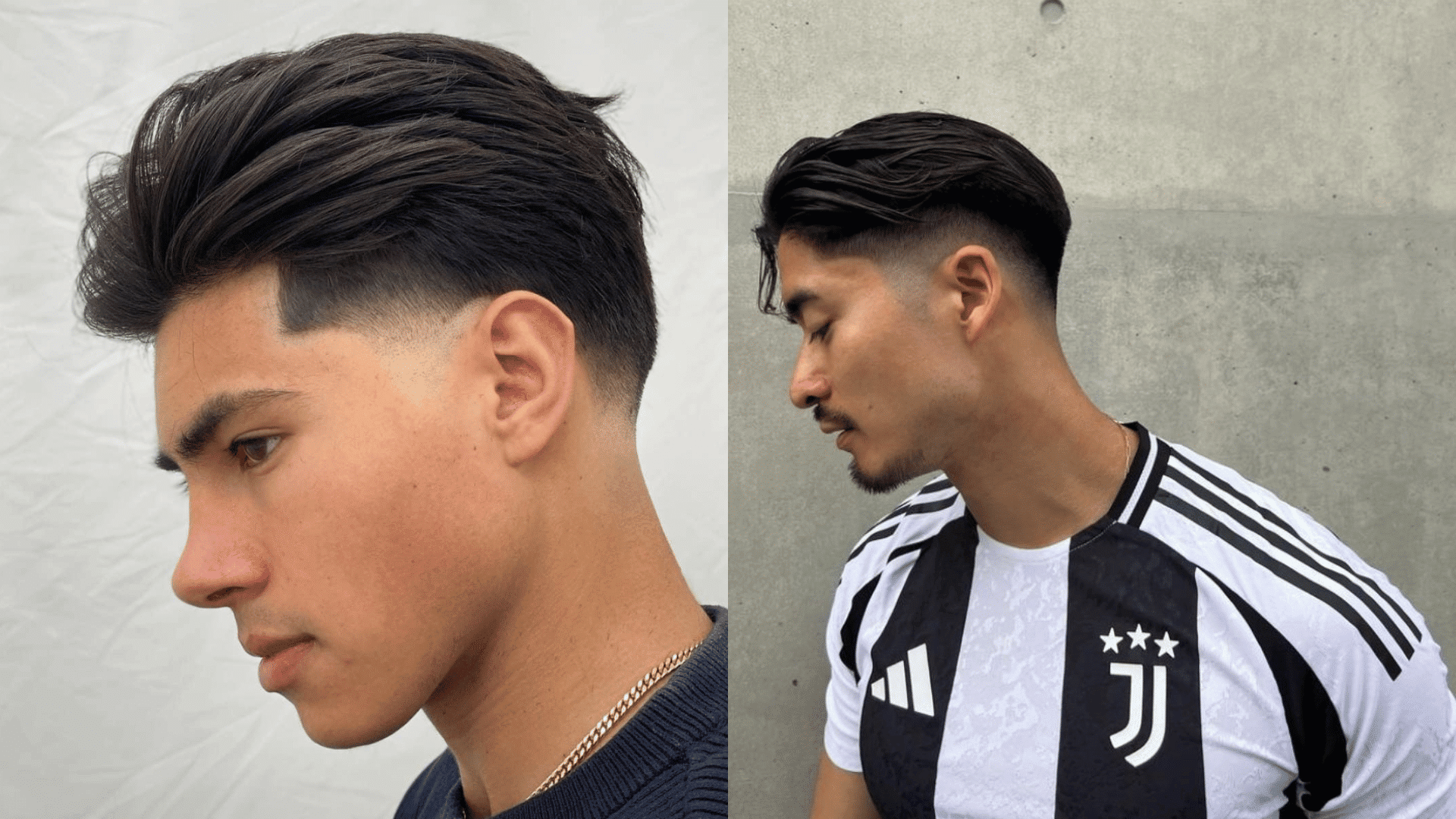
A slick back hairstyle gains extra dimension from the contrast a low taper provides. The smooth, swept-back top stands out against the faded sides, and the style holds up well throughout the day with the right products.
- Top Length: 4-6 inches minimum
- Recommended Age: 25-45
- Hair Type: Medium to thick, straight or wavy
4. Textured Crop

Adding texture to a cropped top while maintaining a low taper fade delivers a contemporary look with just enough edge.
The textured finish on top creates movement and interest, while the subtle fade keeps everything grounded and wearable for daily life.
- Top Length: 2-4 inches
- Recommended Age: Teens to 30s
- Hair Type: All types, especially thick or wavy
5. Longer Fringe Styles
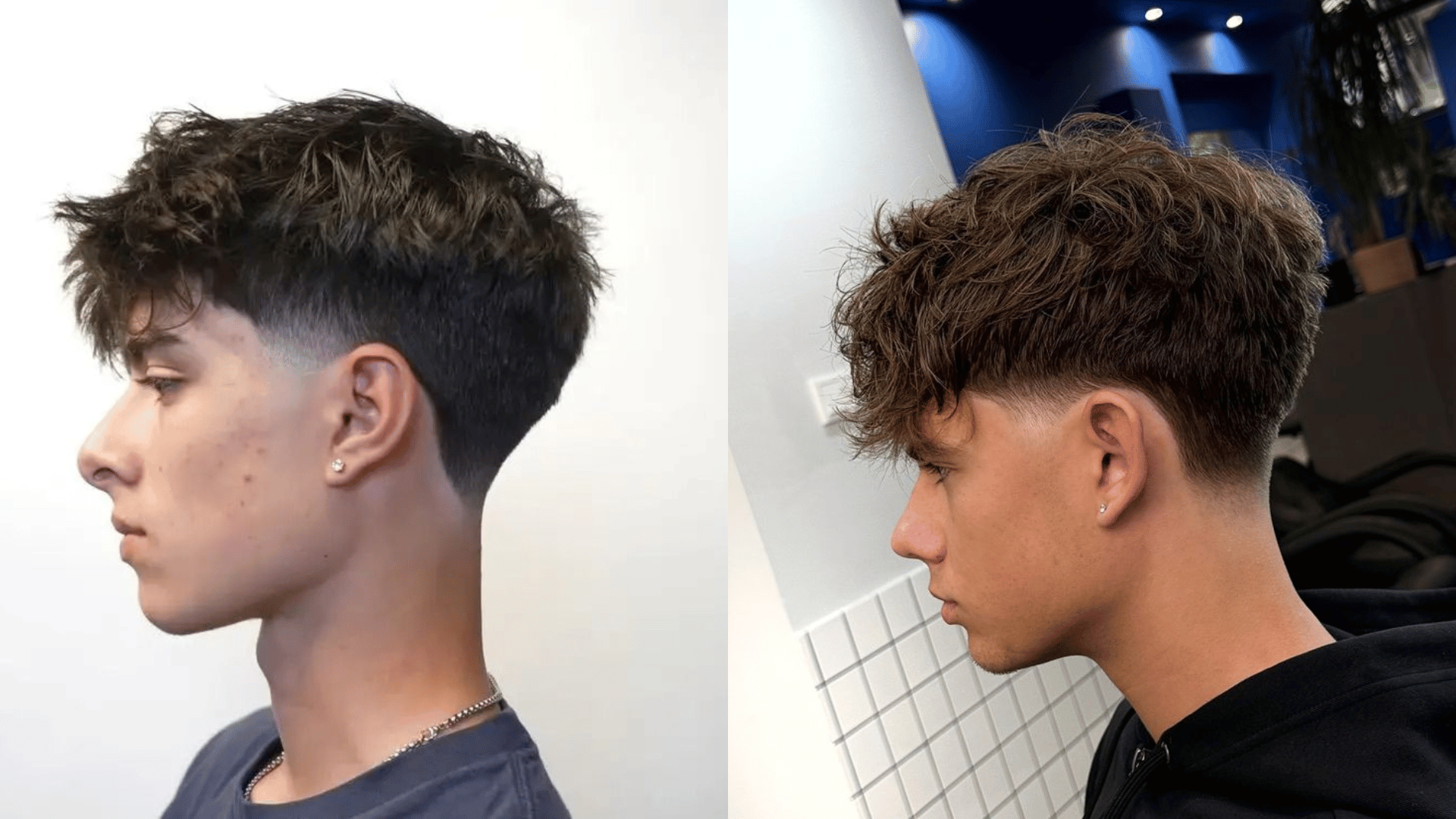
Longer fringe styles benefit from the structure a low taper fade brings to the overall shape.
The added length up front creates a relaxed, youthful vibe, and the low taper prevents the look from becoming too heavy or unbalanced on the sides.
- Top Length: 4-7 inches
- Recommended Age: Teens to early 30s
- Hair Type: Straight to wavy, fine to medium thickness
Top Hairstyles for High Taper Fade
The high taper fade demands hairstyles with height, volume, and bold presence on top to match its dramatic contrast.
When weighing high taper vs low taper choices, the high version shines brightest with these statement-making styles that capitalize on its edgy look.
1. Pompadour
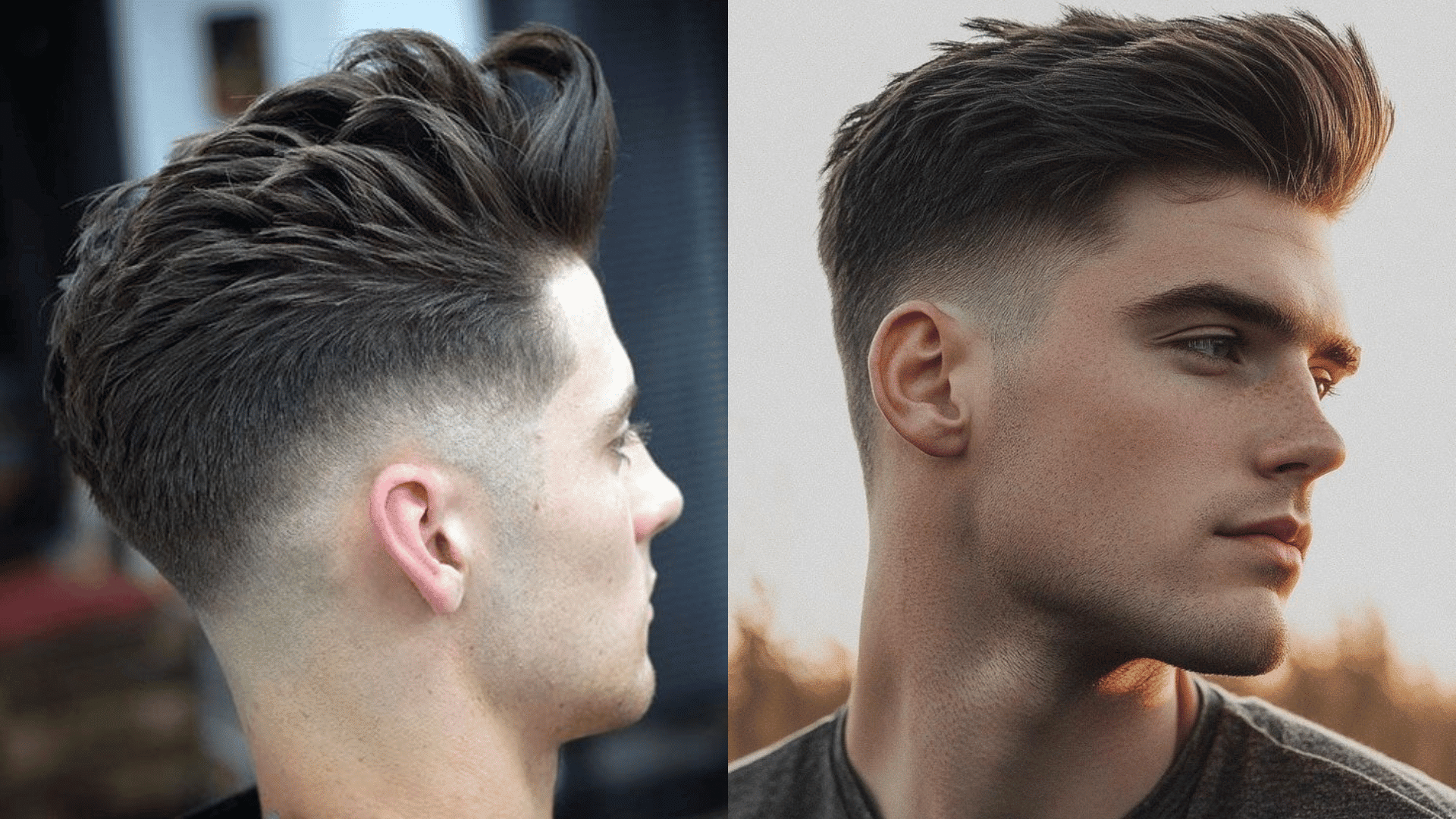
A pompadour paired with a high taper fade creates maximum impact through vertical volume and sharp contrast.
The swept-back height on top gets amplified by the closely cropped sides, making this combination perfect for anyone wanting a show-stopping, confident look.
- Top Length: 4-6 inches
- Recommended Age: 20s to 40s
- Hair Type: Medium to thick, straight or wavy
2. Quiff

The quiff benefits from the clean canvas a high taper provides on the sides and back. This pairing delivers modern charm with an edge, as the textured, lifted front section stands out dramatically against the faded sides.
- Top Length: 3-5 inches
- Recommended Age: Teens to 30s
- Hair Type: All types, best with medium thickness
3. High and Tight

A high and tight with a high taper fade takes military precision to contemporary street style. The ultra-short sides combined with slightly longer top create a no-nonsense, masculine look that requires minimal daily styling.
- Top Length: 1-2 inches
- Recommended Age: All ages
- Hair Type: All types, especially thick or coarse
4. Faux Hawk

The faux hawk gets better when paired with a high taper fade that emphasizes the center strip.
This edgy combination works for those wanting attention-grabbing style without committing to a full mohawk, balancing boldness with wearability.
- Top Length: 3-5 inches
- Recommended Age: Teens to early 30s
- Hair Type: All types, works great with thick hair
5. Afro

An afro with a high taper fade showcases natural texture while maintaining clean, defined sides. The high fade creates a striking contrast that frames the rounded shape on top, celebrating volume and curl patterns beautifully.
- Top Length: 3-6 inches (varies with curl pattern)
- Recommended Age: All ages
- Hair Type: Curly to coily, thick
What is a Mid Taper Fade?
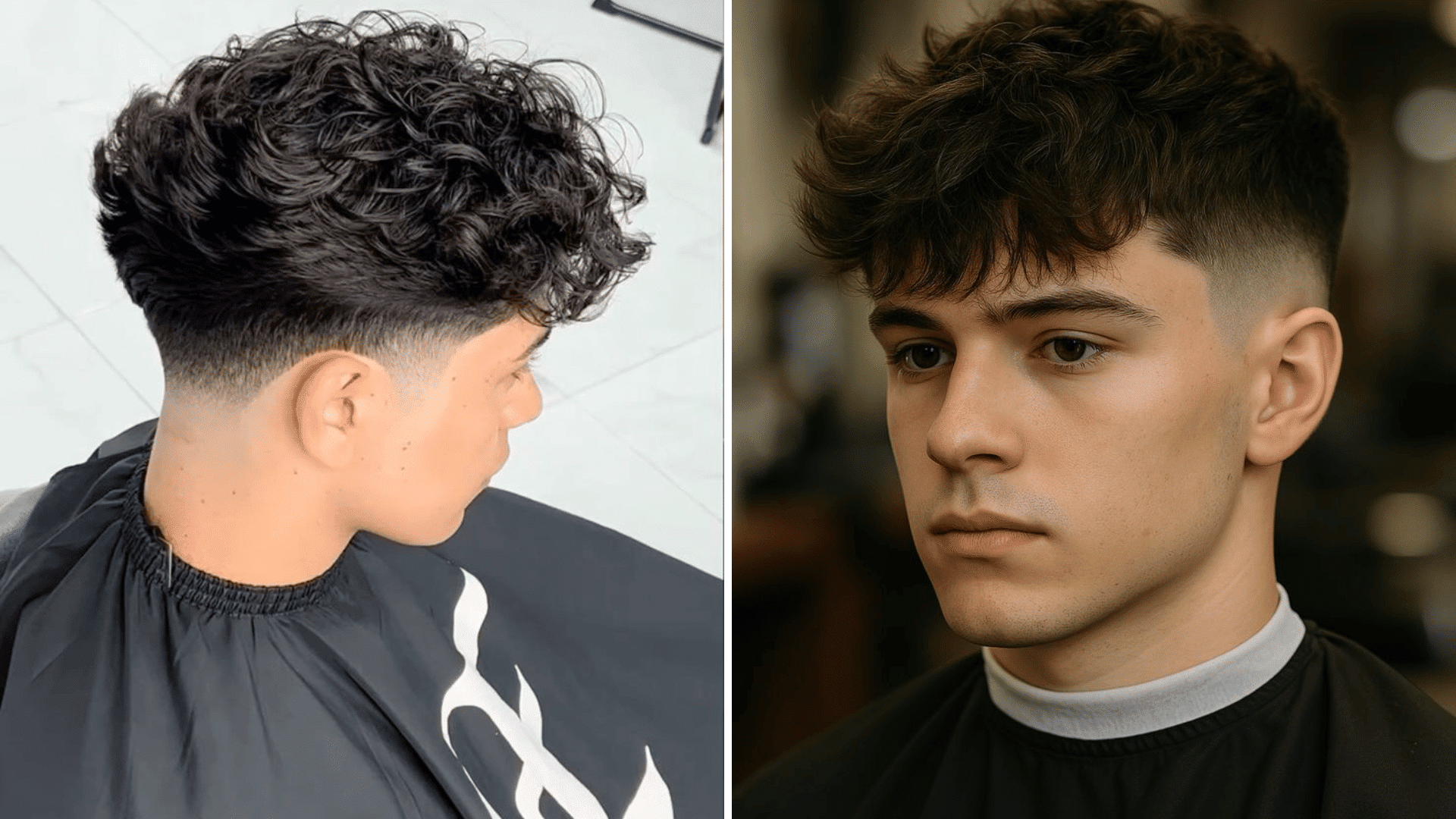
A mid taper fade sits right between the high taper fade vs low taper fade debate, starting around the temple area. This middle-ground approach offers balanced contrast that’s neither too subtle nor too dramatic.
The fade begins roughly halfway up the sides of the head, creating noticeable definition without the bold impact of a high taper.
It works well across most face shapes and hair types. The mid taper pairs beautifully with everything from textured crops to quiffs, and it grows out more evenly than a high fade while offering more structure than a low taper.
Common Mistakes to Avoid
Even with all the information about high taper fade vs low taper fade styles, people still make avoidable errors that lead to disappointing results.
Being aware of these common pitfalls helps anyone get the haircut they actually want instead of settling for something that doesn’t quite work.
- Choosing a style based purely on trends without considering face shape or hair type.
- Walking into the barbershop without reference photos or clear explanations of what’s wanted.
- Underestimating the maintenance commitment required for high taper fades that need frequent touch-ups.
- Using the wrong hair products that don’t match the hair texture or the style’s requirements.
- Ignoring workplace dress codes and getting a fade that’s too bold for professional environments.
- Skipping the consultation and missing out on the barber’s advice about what actually works.
- Attempting to maintain or touch up complex fades at home without proper tools or experience.
The Key Takeaway
Both styles in the high taper fade vs low taper fade comparison offer distinct advantages depending on individual needs and preferences.
Someone seeking subtle professionalism will gravitate toward the low taper, while those wanting bold contrast will prefer the high version.
The key is honest assessment of lifestyle factors and clear communication with a skilled barber. Bringing reference photos and discussing specific placement ensures the final result matches expectations.