
People frequently find themselves puzzled when browsing international websites, wondering if “trousers” and “pants” refer to the same garment.
This straightforward question confuses many people daily, particularly when purchasing from retailers in different countries.
The answer depends entirely on geography. If someone is a language enthusiast, a curious shopper, or simply tired of the trousers vs pants confusion, understanding this distinction proves valuable.
Let’s break down the language barrier and ensure confident communication wherever you’re shopping!
The History Behind Trousers and Pants
The history of leg coverings stretches back thousands of years. Archaeologists found the oldest known trousers in western China, dating between the 13th and 10th centuries BC.
These wool garments featured straight legs and wide crotches, explicitly designed for horseback riding.
The word “trousers” comes from the Gaelic “triubhas,” a tartan legwear worn by Scottish Highlanders, while “pants” derives from “pantaloons,” close-fitting garments popular in early 19th-century Europe.
Over centuries, these terms have changed differently across English-speaking regions, creating the linguistic split we see today between British and American usage.
Key Differences Between Trousers and Pants
Trousers or pants are a common source of confusion in English due to regional differences. The terms often refer to the same garment, but usage shifts depending on whether the audience is British or American.
| Feature | Trousers | Pants |
|---|---|---|
| Dialectal Variation | Common in British English | Common in American English |
| Definition style | Refers to outer legwear | Broad term for legwear in the US |
| Formality tone | Feels more formal or tailored | Feels broader and more casual |
| Typical examples | Suit trousers, tailored styles | Jeans, chinos, joggers, dress pants |
| Shopping context | Used widely in UK stores | Used widely in US stores |
Regional Language Variations Behind Trousers and Pants
The trousers vs pants debate boils down to where someone learned English. Geography shapes not just accents but the very words people use for everyday clothing.
- British English: Trousers describe any garment covering both legs from the waist to the ankle. Meanwhile, pants refers exclusively to underwear, what Americans call underpants or briefs.
- American English: Pants serve as the catch-all term for all lower-body garments, from casual jeans to formal dress pants. Americans understand the word “trousers” but rarely use it in everyday conversation.
- Australian and Canadian English: These regions generally follow the American pattern, using pants as their primary term. However, Australians occasionally use trousers for more formal contexts.
Different Types of Pants and Trousers
When considering the trousers Vs pants debate, understanding the various styles available is essential.
If referred to as trousers or pants, depending on regional terminology, leg wear comes in different styles, each designed for specific purposes, occasions, and preferences.
1. Casual Everyday Styles
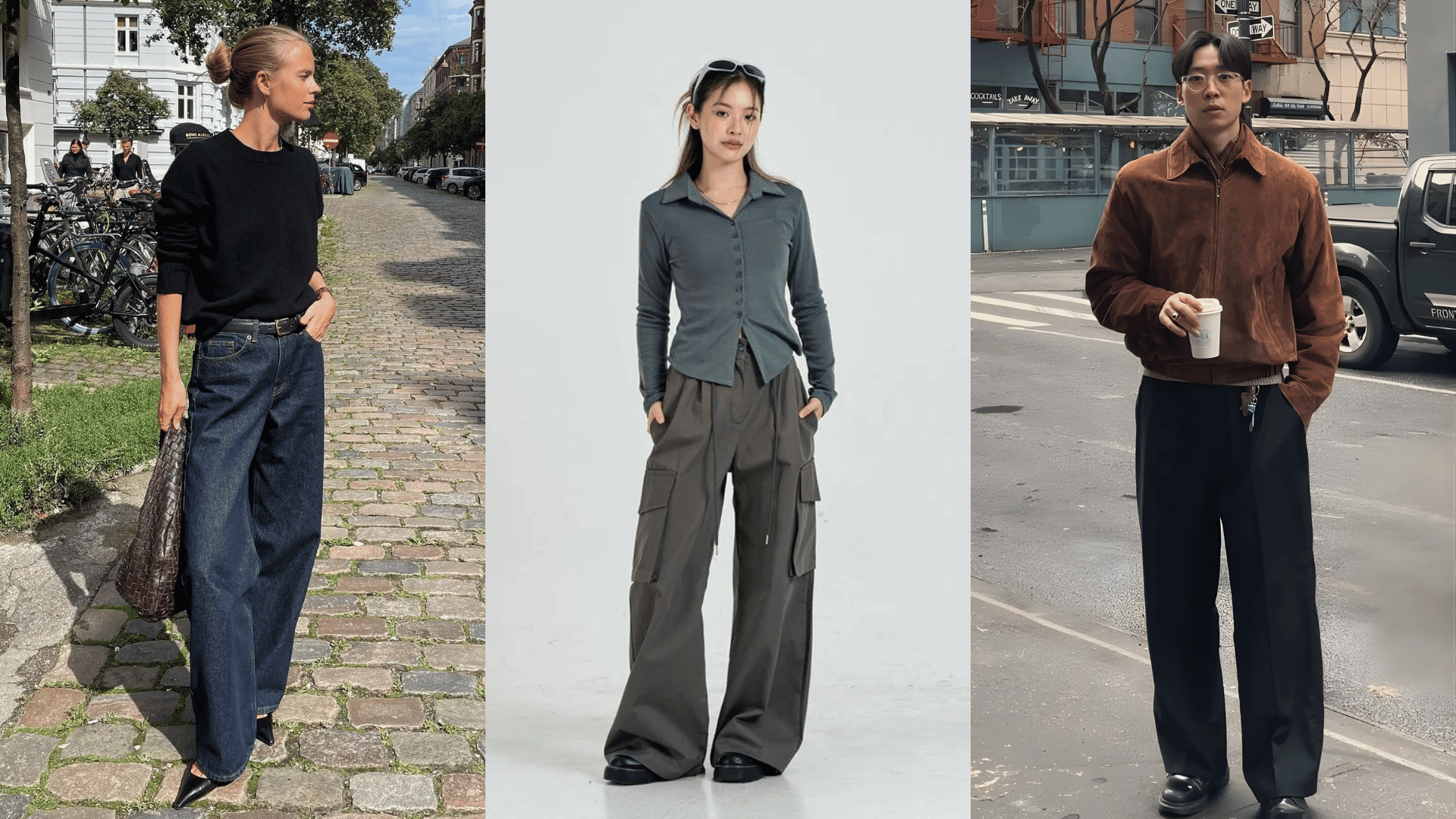
Casual trousers and pants form the foundation of most wardrobes, offering comfort and versatility for daily activities.
These styles balance practicality with fashion, making them suitable for everything from running errands to social gatherings.
- Jeans: They remain the most popular casual choice worldwide. From skinny to relaxed, distressed to pristine, jeans bridge the gap between comfort and style.
- Chinos: They offer a step up in refinement while maintaining comfort. Made from lightweight cotton twill, these versatile trousers work equally well for casual office settings or weekend gatherings.
- Cargo Pants: They feature multiple pockets along the sides, initially designed for military use. While their fashion popularity has fluctuated, their practicality keeps them relevant for outdoor activities and casual wear.
2. Formal and Professional Options
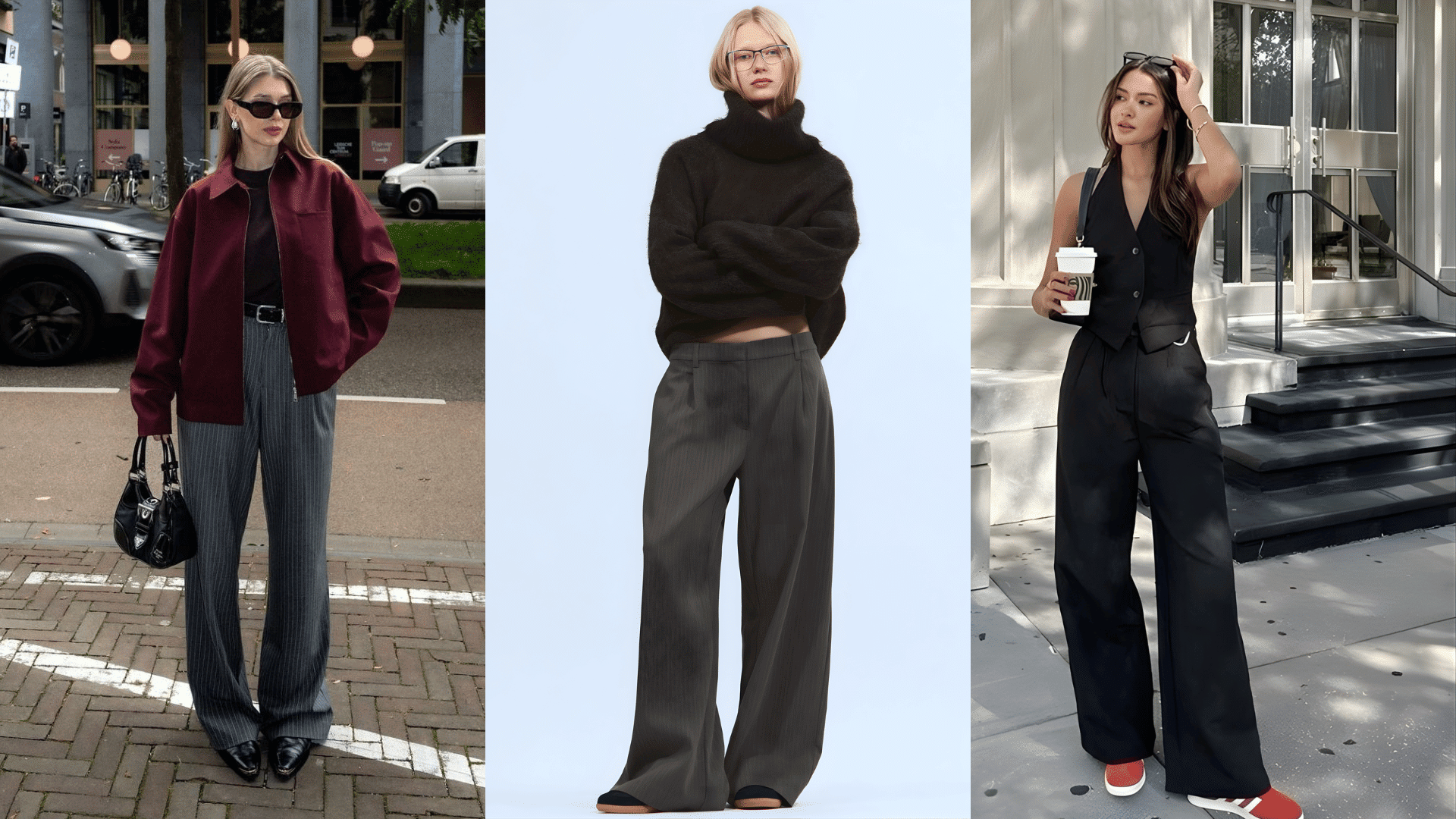
Professional trousers and dress pants enhance business environments and formal occasions. These refined styles emphasize tailoring, quality fabrics, and a polished vibe that convey professionalism.
- Dress Trousers orSuit Pants: They represent the formal end of the spectrum. Typically made from wool, polyester blends, or fine cotton, they are designed to be worn with dress shirts and blazers for professional settings.
- Slacks: A term often used in American English to describe dress trousers that are slightly less formal, suitable for business casual environments. They usually have a more relaxed fit than strict suit trousers.
3. Athletic and Leisure Wear
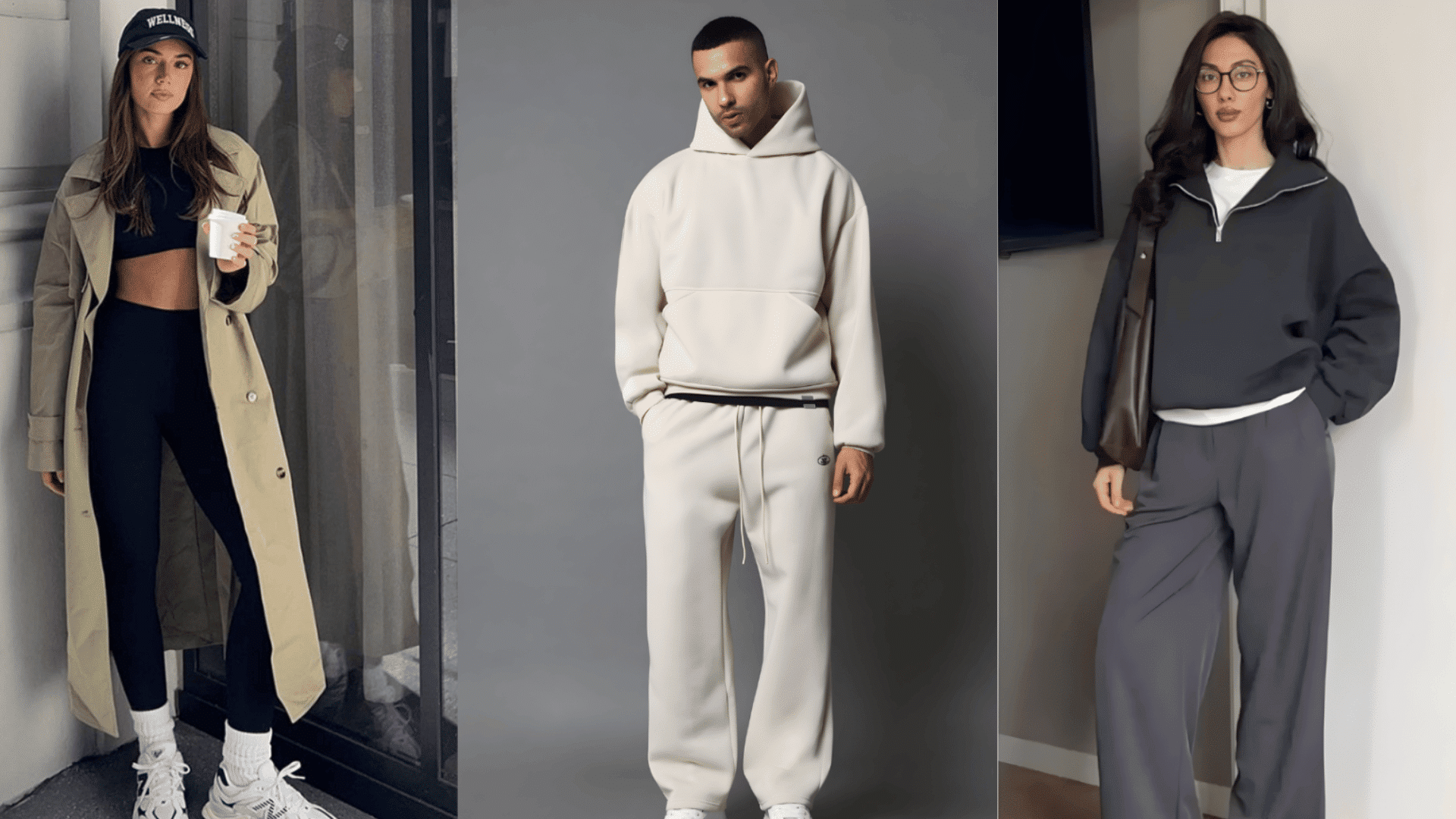
Athletic pants and leisure trousers prioritize movement, breathability, and comfort for physical activities and relaxation.
These performance-oriented styles have increasingly crossed over into everyday fashion, reflecting modern lifestyle preferences.
- Track pants andjoggers: They prioritize comfort and flexibility. Track pants typically feature a looser fit with elastic waistbands and cuffs, while joggers have a more tapered, contemporary silhouette.
- Leggings: Form-fitting stretch pants that have shifted from athletic wear to everyday fashion. Made from spandex blends, they’re favored for yoga, gym sessions, and increasingly as casual wear when paired with longer tops.
- Sweatpants: They offer maximum comfort with their soft, fleece-lined fabric and relaxed fit, making them best for cozy days at home or light physical activity.
4. Specialized Styles
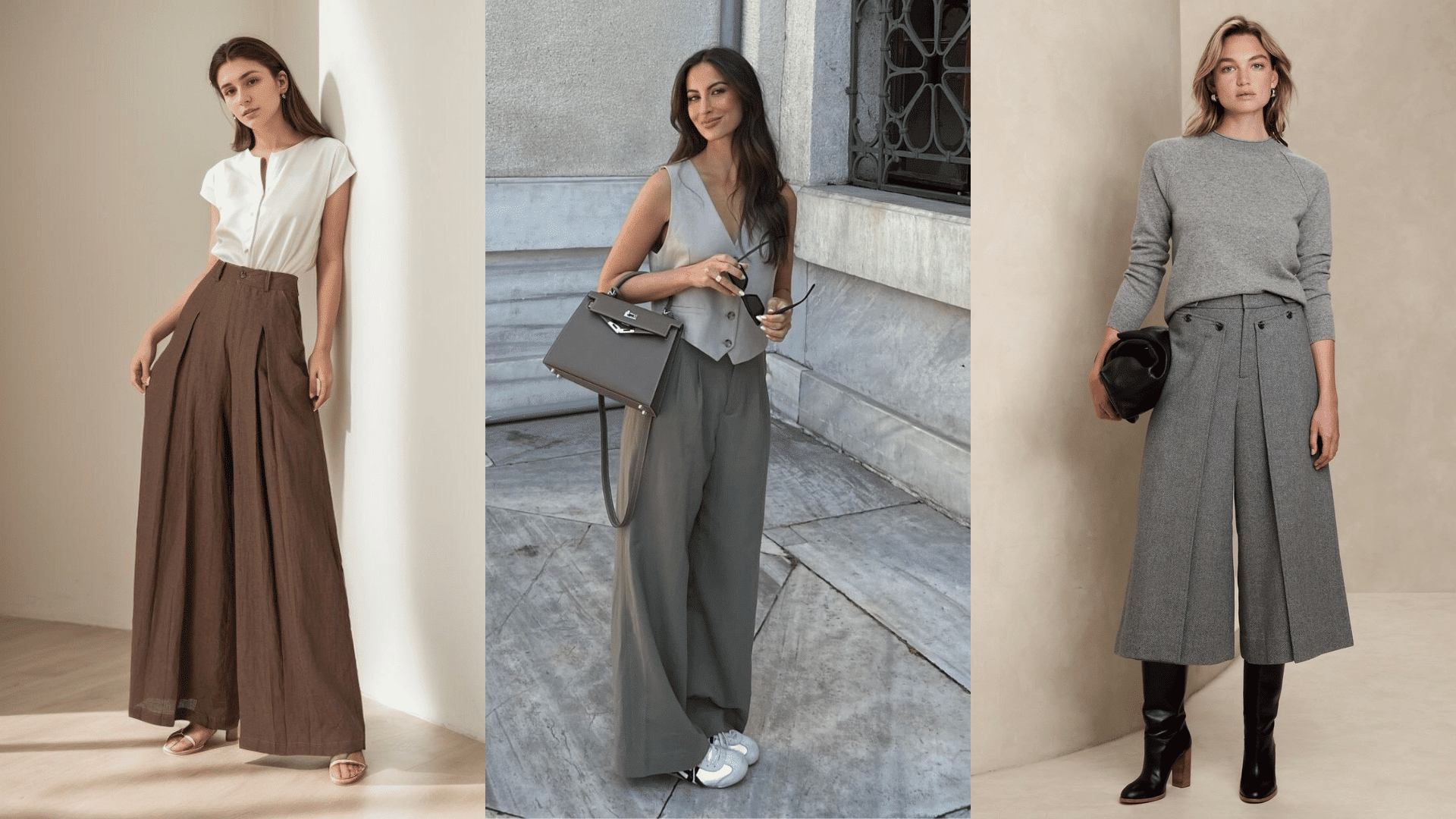
Capris and cropped pants end between the knee and ankle, offering a breezy alternative for warmer weather. They come in both casual and dressy versions.
- Wide-leg trousers: They feature a dramatically loose fit from hip to hem, creating a flowing silhouette that’s both comfortable and fashion-forward.
- Palazzo pants: They take the wide-leg concept further with a highly loose, flowing cut that resembles a skirt when standing still.
- Culottes: Wide-legged trousers that end at the calf, combining the coverage of pants with the airiness of a skirt.
Regardless of regional language preferences, there’s a style ideally suited to every occasion, body type, and personal preference. From the boardroom to the hiking trail, understanding these different types of trousers and pants ensures appropriate attire for any situation.
How to Choose the Right One?
Selecting between styles when guiding the trousers vs. pants terminology comes down to understanding the occasion, comfort, and personal style.
The fit matters significantly as slim cuts suit formal settings, while relaxed fits work for casual environments. Fabric choice also plays a crucial role.
Wool trousers for professional settings, denim pants for everyday wear, and breathable materials for athletic activities.
Climate considerations shouldn’t be overlooked, as lightweight fabrics suit warmer weather while heavier materials provide warmth.
Body type influences the most flattering styles, with different cuts complementing various shapes.
Ultimately, the trousers vs pants debate becomes secondary to choosing styles that align with lifestyle needs and personal comfort preferences.
Wrapping Up in Style
The trousers vs pants confusion doesn’t have to be complicated. It all comes down to location and context, and they are perfectly correct in their respective regions.
For international shoppers and travelers, knowing these differences prevents awkward moments and miscommunication.
When browsing UK websites, look for trousers; when shopping on American sites, look for trousers. Then search for pants.
Language changes differently across borders, and fashion terminology is no exception. The key is understanding context and respecting regional variations.
Frequently Asked Questions
Are Leggings Considered Pants Or Trousers?
Leggings are considered pants as long as the fabric is thick enough. People sometimes debate this, but in general, opaque leggings are accepted as pants.
What are Military Trousers Called?
Military trousers are known as tactical pants, combat pants, or cargo pants. Some uniforms have specific names, such as BDU (Battle Dress Uniform) and ACU (Army Combat Uniform).
What are Italian Pants Called?
Traditional Italian pants from the sixteenth century are called pantaloons. The name comes from Pantalone, a character from Italian Commedia dell’arte.