

Hair in Scripture carries layered meaning, from covenant identity to cultural expression, making it more than a matter of appearance.
Samson’s strength and Paul’s teachings show how hair served as a visible symbol of devotion and order.
Many believers still connect these ideas with broader interpretations, including spiritual energy and hair beliefs that attempt to explain hair through unseen forces.
The Symbolism of Hair in the Bible
Hair in Scripture is far more than appearance; it serves as a visible, outward expression of covenant, identity, and divine glory.
- Samson’s hair (Judges 16:17): It was the visible seal of his covenant with God, a sacred symbol of unbroken consecration and divinely granted strength.
- Hair as devotion: It meant a consecrated person’s uncut hair was a public declaration of belonging entirely to God.
- 1 Corinthians 11:15: It frames a woman’s hair as her glory and natural covering, a theological statement about divine order and God’s intentional design.
Old Testament Rules About Hair
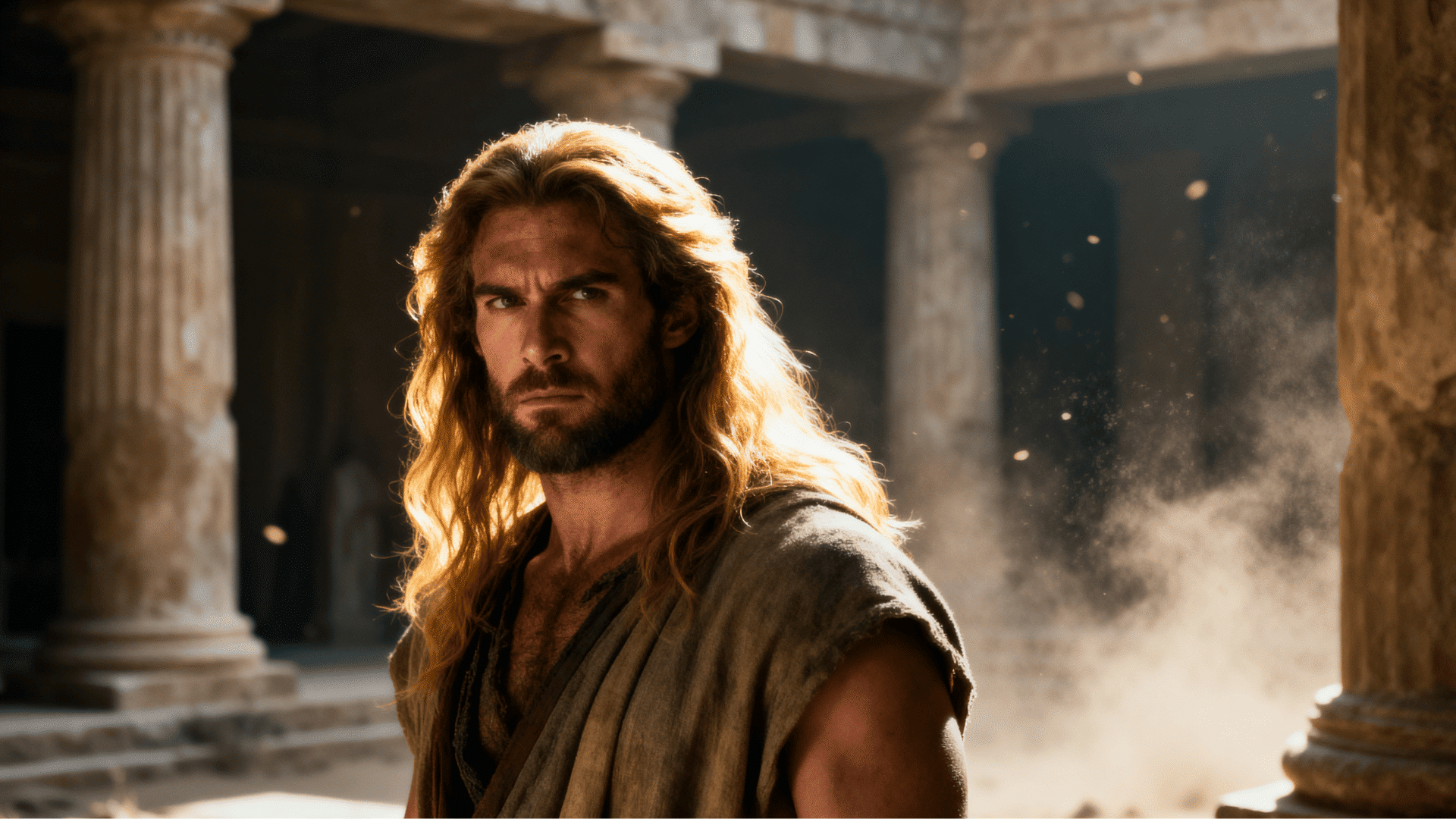
The Old Testament’s hair laws were tied to specific cultural and ceremonial contexts — not universal commands for all time.
- The Nazirite vow (Numbers 6:5): It was a temporary, voluntary commitment; uncut hair marked a season of consecration, not a permanent law for all Israelites.
- Leviticus 19:27: It separated Israel from pagan mourning rituals by restricting the cutting of beards and hair edges, a culturally specific command, not a timeless grooming rule.
- Jeremiah 7:29: It portrays hair-cutting as a sign of grief, reflecting how hair loss symbolized mourning and spiritual desolation in ancient Israel.
Note: These laws were for specific people and times; cultural context is essential to understanding their relevance for Christians today.
New Testament Teachings on Hair Length
Paul’s teachings on hair introduce a nuanced conversation about gender, order, and cultural context within the early church.
- 1 Corinthians 11: It states long hair on men is dishonorable, while a woman’s long hair is her natural glory and covering, rooted in a theology of divine order.
- Corinthian culture: It heavily shaped these instructions, blurred gender distinctions were linked to paganism, making hair a marker of Christian identity.
Note: Most scholars view Paul’s hair teachings as culturally specific, not timeless salvation rules, context is essential to correctly applying them for Christians today.
Is Cutting Your Hair a Sin According to the Bible?
The Bible contains no universal command forbidding hair cutting; nowhere does Scripture declare it inherently sinful.
Hair cutting carried significance only in specific contexts: completing a Nazirite vow, expressing mourning, or signifying judgment.
These were situational, not universal laws; faith, devotion, and obedience to God matter far more than hair length or external grooming ever could.
Long Hair vs Short Hair in Christianity
Hair length in Christianity has been debated for centuries, especially when interpreting verses like 1 Corinthians 11. While some see clear rules, others view them as cultural guidelines rather than universal
| CATEGORY | LONG HAIR | SHORT HAIR |
|---|---|---|
| Biblical Reference | Associated with glory (1 Cor 11:15) | No direct prohibition |
| For Men | Sometimes seen as dishonor (1 Cor 11:14) | Generally accepted |
| For Women | Seen as an honor and covering | Allowed in most denominations |
| Spiritual Impact | Symbolic, not required for salvation | No negative spiritual effect |
| Denominational View | Required in Apostolic/Pentecostal | Accepted in most churches |
Common Myths About Hair and Faith
Many believers carry misconceptions about hair rooted in misread Scripture and cultural tradition, here are three common myths corrected by proper biblical context.
Myth 1: Women Must Never Cut Their Hair
Fact 1: This isn’t a salvation issue; 1 Corinthians 11 addresses cultural norms, not a universal grooming rule.
Myth 2: Long Hair Makes You More Holy
Fact 2: There is no biblical support for this claim; holiness in Scripture relates to heart, obedience, and faith, not hair length or appearance.
Myth 3: Cutting Hair Angers God
Fact 3: This misreads Old Testament laws, which were specific to Nazirite vows or ceremonies, not a universal rule against trimming hair displeasing God.
Spiritual Principles Behind Hair in the Bible
Beyond specific laws, Scripture points to deeper principles that shape how Christians should think about hair, appearance, and personal conviction.
- God looks at the heart (1 Samuel 16:7): Outward appearance is secondary; God’s primary concern is always faithfulness, humility, and inward devotion.
- Modesty and respect (1 Timothy 2:9): Calls believers to let appearance reflect inner godliness, dignified presentation over rigid grooming rules.
- Personal conviction (Romans 14): Where Scripture gives no direct command, believers are free to follow Spirit-led convictions without imposing them on others.
- The overarching principle: Appearance should never measure holiness; a surrendered heart matters far more than any external standard.
Does Hair Reflect Life Experiences?
Modern science shows that stress and life experiences can affect hair growth, texture, and shedding patterns.
These biological changes are explored through hair trauma scientific explanation, where hair is understood as a physical record of stress rather than a spiritual container.
These changes don’t mean hair stores memories, but they clearly show how the body responds to emotional and physical stress over time.
Wrapping It Up
The Bible’s teachings on hair are richer and more nuanced than most realize, rooted in covenant, culture, and conviction rather than rigid universal laws.
God truly cares about your heart a lot more than your hair or even your faith.
For a deeper study into Bible Rules on Hair: Long Hair, Cutting, and Faith, share this with someone seeking biblical clarity today.