
Curls rarely match the perfectly uniform photos saved for inspiration. Some sections may form tight, springy coils, while others look looser or less defined.
That variation can make curl typing confusing, especially when 3C hair sits close to both 3B curls and 4A coils.
Looking at curl width, density, shrinkage, and overall shape together gives a more accurate picture.
This blog explains what 3C hair texture looks like, how it differs from nearby curl types, and which signs can help you identify it more clearly.
What Does 3C Hair Texture Look Like?
3C curls form tight, springy corkscrews about the width of a pencil or thin straw. The curls begin close to the scalp, creating noticeable volume and a fuller shape from the roots.
The curl pattern stays compact because the strands coil tightly around themselves instead of forming loose spirals.
Shrinkage is common, so the hair often looks much shorter than its actual stretched length.
The many bends along each strand make it harder for natural oils to reach the ends, which is why 3C hair often feels drier and appears less shiny than looser curl types.
If your curls naturally form dense, well-defined coils with plenty of bounce, even without styling, there’s a good chance your hair falls into the 3C category.
How 3C Compares to Nearby Curl Types
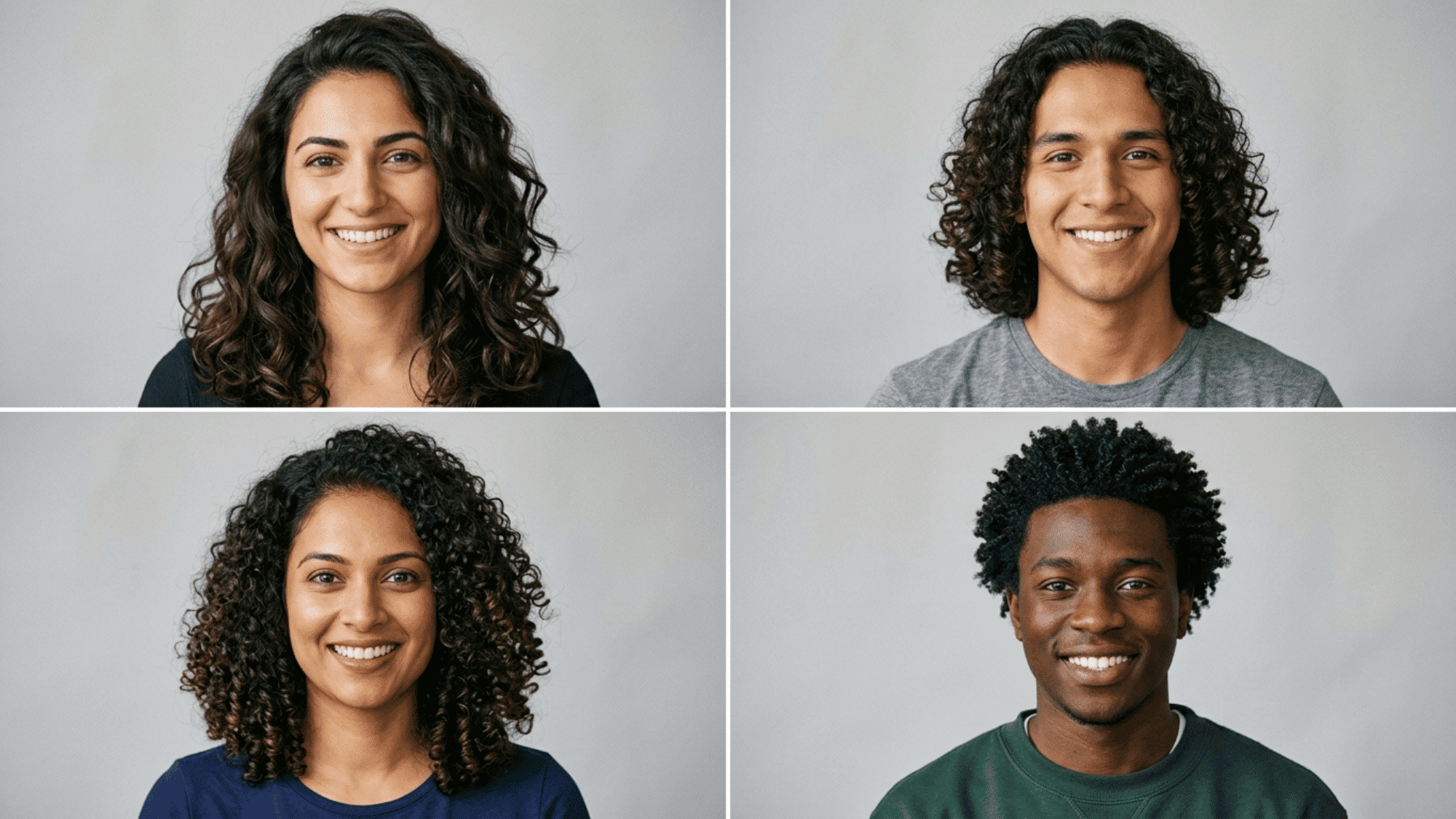
Curl typing gets confusing fast. The categories sit close together, and a side-by-side chart usually helps more than a written description alone.
| Curl Type | Curl Shape | Approximate Size | Common Look |
|---|---|---|---|
| 3A | Loose, S-shaped loops | Sidewalk chalk width | Loose, defined ringlets |
| 3B | Springy ringlets | Marker width | Bouncy curls with clear definition |
| 3C | Tight, densely packed coils | Pencil or straw width | Full curls with visible height at the root |
| 4A | Tight coils, less clear S-shape | Crochet needle width | Springy coils that shrink more once dry |
Signs Your Curls Match a 3C Pattern
Several features can help you tell whether your curls match the 3C hair texture pattern. Check the hair when it is fully dry and free from heavy styling products for the clearest result.
- Curl width: Coils are close to the width of a pencil, not a marker or a chopstick.
- Root lift: Curls start close to the scalp and add real height on top.
- Shrinkage: Hair can shrink to close to half its stretched length once it fully dries.
- Density: Strands pack tightly, so the hair often looks fuller than the actual strand count would suggest, which ties closely into curl pattern volume as a whole.
- Spring test: A single coil, stretched and released, snaps back into a tight shape right away.
Common Variations Within the 3C Pattern
3C hair can look slightly different from one person to another or from one section of the head to another. Curl tightness, shrinkage, density, and past styling habits can all affect how the pattern appears.
If you're looking for the men's take on this, check out 3C hair men too.
1. Tighter 3C Curls

These curls sit closer to the 4A range and form smaller, tighter coils. They often shrink more and may look less separated once dry.
They can also feel denser because the curls pack closely together. Moisture and gentle styling usually help improve definition without pulling the pattern apart.
2. Looser 3C Curls

These curls lean closer to 3B and show a more visible spiral shape. They usually hang a little longer and shrink less.
The curl clumps may appear larger and more separated, especially when styled with lightweight products. Heavy creams can sometimes weigh down this looser pattern.
3. Mixed 3C Curls

Many people have tighter curls at the crown and looser ones near the sides or ends. This mix can still fall within the wider 3C hair texture range.
Different sections may need slightly different product amounts or styling methods. Treating each area based on how it behaves can give more even results.
4. Curls That Change With Heat or Color
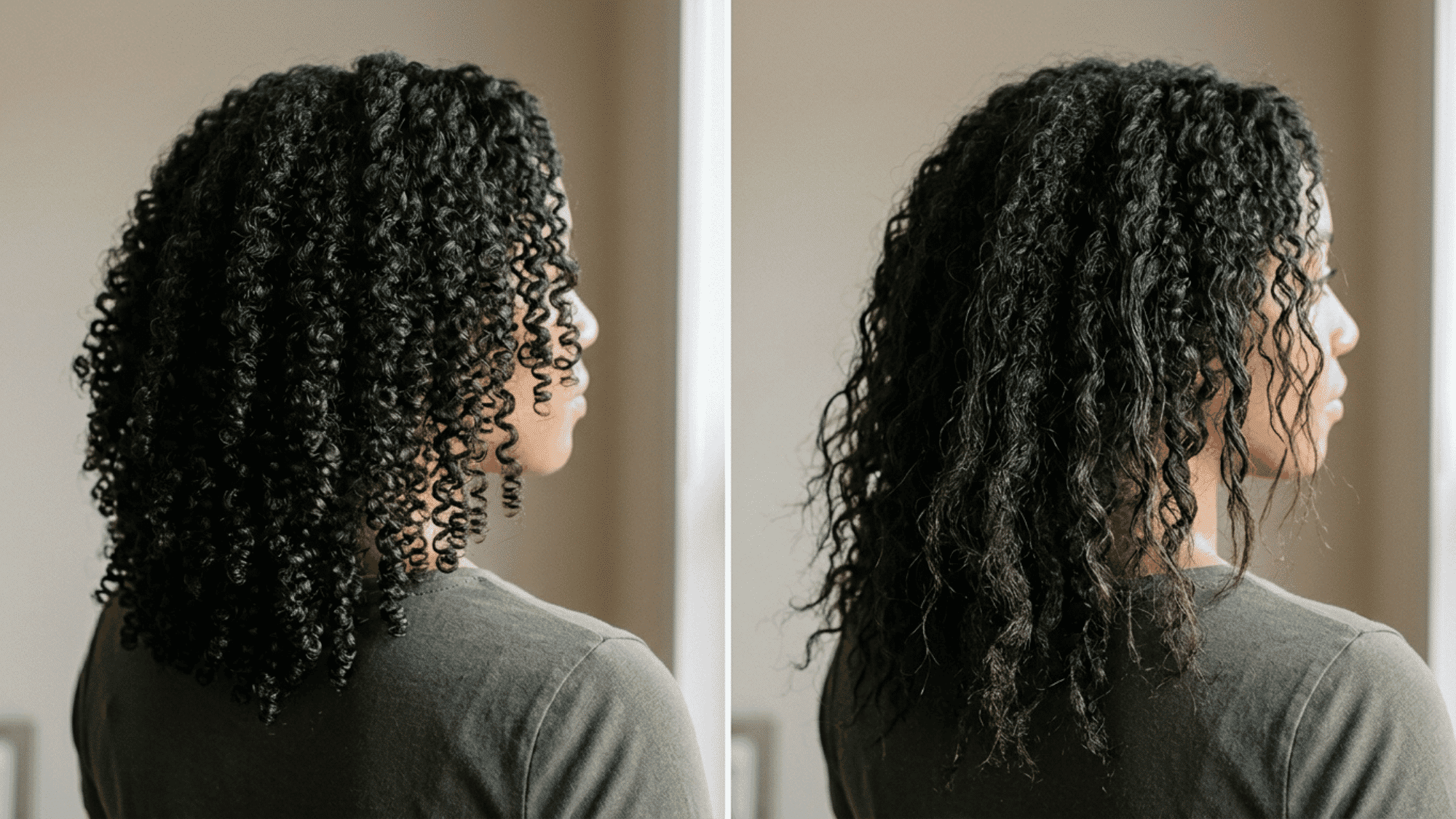
Heat, chemical color, and repeated tension can loosen the curl pattern over time. Curl type can also shift with age, so charts work best as a general reference.
Some changes may be temporary, while repeated damage can affect the pattern for longer. Looking at new growth often gives a clearer idea of the natural curl type.
How to Photograph Your Curls for a Fair Comparison
A clear curl photo should show the natural pattern without stretching, brushing, or heavy styling products. Taking close-ups from several sections provides a fairer comparison than a single full-head photo.
| Step | What to Do | Why It Helps |
|---|---|---|
| Prepare the hair | Wash and leave it free from styling products | Shows the natural curl pattern |
| Air-dry naturally | Avoid brushing, pulling, or stretching wet curls | Prevents the curl shape from changing |
| Photograph the roots | Take a close-up near the scalp and crown | Shows root lift and where curls begin |
| Capture mid-lengths | Photograph the middle section of the strands | Reveals the main curl width and shape |
| Include the ends | Take a close-up of the curl tips | Shows tighter, looser, or damaged areas |
| Compare all photos | Check each section against the same curl chart | Gives a more accurate overall result |
Wrapping It Up
Curl typing is most useful as a reference, not a strict label. Your hair may show more than one pattern, and factors like shrinkage, porosity, heat, and styling history can change how the curls appear.
The clearest way to assess 3C hair texture is to look at clean, fully dried hair in several sections. Focus on coil size, root shape, density, and how quickly each strand springs back.
Once you understand those features, it becomes easier to choose products, styling methods, and care habits that suit how your curls naturally behave.
The goal is not to fit every strand into one category, but to understand what your hair needs to stay healthy and manageable.
Frequently Asked Questions
Is 3 C Hair Curly or Coily?
3C sits between curly and coily. It has tight, springy coils but keeps more curl definition than fully coily 4A hair.
Does 3 C Hair Shrink a Lot?
Yes. It’s common for 3C strands to shrink to close to half their stretched length once fully dry.
Can 3 C Hair Look Different in The Front and Back?
Yes. Curl pattern often varies across the scalp, so the crown, nape, and front can each look a little different.
What Products Work Best for 3 C Curls?
Lightweight creams and gels that add definition without pressing down the coils tend to work well, though results vary by hair type.