

There is a photo on Mount Everest that has made grown climbers stop and weep.
The Sleeping Beauty Everest face photo is not just an image; it is a moment frozen in time that carries a devastating story.
Thousands of trekkers have walked past her. Some have cried. Some have looked away. But very few actually know the full truth of who she was and what happened.
This blog breaks down the real story, the person, the circumstances, and the questions this photo still raises today.
Who was the “Sleeping Beauty of Mount Everest”?
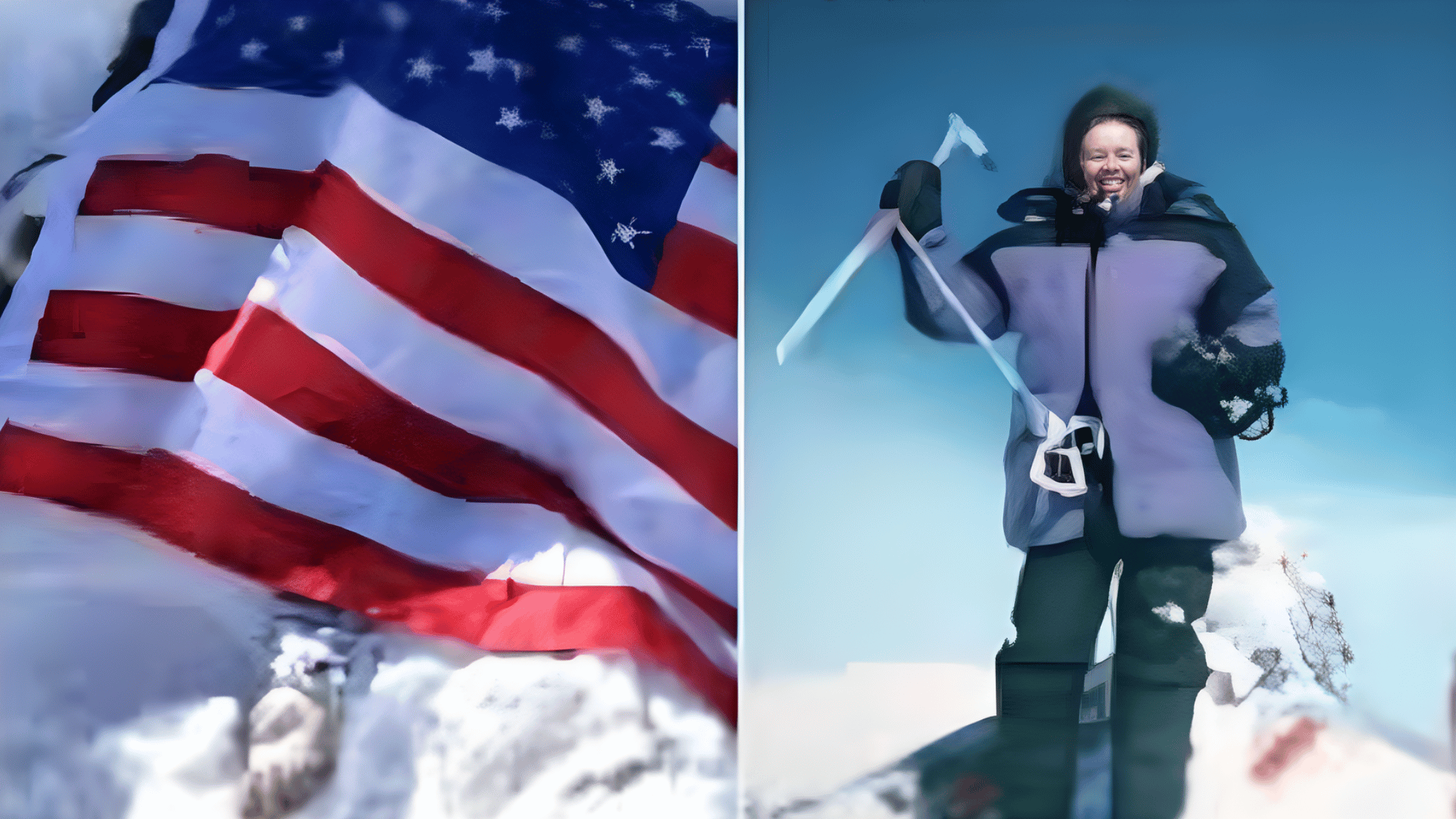
Francys Arsentiev was an American mountaineer who made history in 1998 by becoming the first American woman to summit Mount Everest without supplemental oxygen.
She climbed alongside her husband, Sergei Arsentiev, an experienced Russian climber. However, what began as a historic achievement soon turned into one of Everest’s most tragic stories.
The nickname “Sleeping Beauty” was given by climbers who later encountered her body on the mountain. Her body appeared peaceful and undisturbed.
She looked as if she were simply resting, and The freezing temperatures preserved her features
The Story Behind the Viral Sleeping Beauty Everest Face Photo
Source: Instagram
The term “sleeping beauty everest face photo” refers to the widely discussed visual memory of Francys Arsentiev, whose body remained on Mount Everest for years after her tragic death in 1998.
While many people search for a specific image, what truly exists is a combination of climber accounts, partial visuals, and descriptions that have spread across the internet.
Key Things to Understand:
- There is no single official or clear photo publicly verified as “the” Sleeping Beauty image
- Most descriptions come from climbers who encountered her on the route
- Her body appeared peaceful due to freezing temperatures preserving it
- The term “face photo” is often driven by internet curiosity rather than factual documentation
- Sharing or searching for such images raises ethical concerns about respect and dignity
Francys Arsentiev’s Final Everest Expedition
Francys Arsentiev’s final path on Mount Everest is remembered as both a remarkable achievement and a heartbreaking tragedy
1. Francys Arsentiev’s Everest Climb
In May 1998, Francys Arsentiev and her husband Sergei began their ascent of Mount Everest via the Northeast Ridge route. They aimed to complete the climb together as a team.
Their goal was both ambitious and dangerous: to reach the summit without using supplemental oxygen, a feat attempted by only a small number of elite climbers.
However, climbing Everest without oxygen significantly increases the risk of severe physical and mental strain, including brain swelling (HACE) and extreme exhaustion.
2. The Historic Summit Achievement
On May 22, 1998, Francys Arsentiev successfully reached the summit of Mount Everest, becoming the first American woman to do so without supplemental oxygen.
It was a remarkable and historic achievement that placed her among the most determined climbers in the world. However, on Everest, reaching the top is only half the path; the descent is often far more dangerous and unforgiving.
3. The Final Hours of Francys Arsentiev
The following day, other climbers encountered Francys on the mountain. She was still alive but in a critical state, disoriented, unable to move, and barely conscious.
According to accounts, she repeatedly pleaded, “Don’t leave me,” a moment that has stayed with many climbers ever since.
Ultimately, the climbers were forced to make the heartbreaking decision to continue their descent in order to save their own lives. Rescue was nearly impossible because:
- Oxygen levels were critically low
- Climbers themselves were barely surviving
- Carrying a person at that altitude was physically unmanageable
What Happened to Her Body on Everest?
Source: Reddit
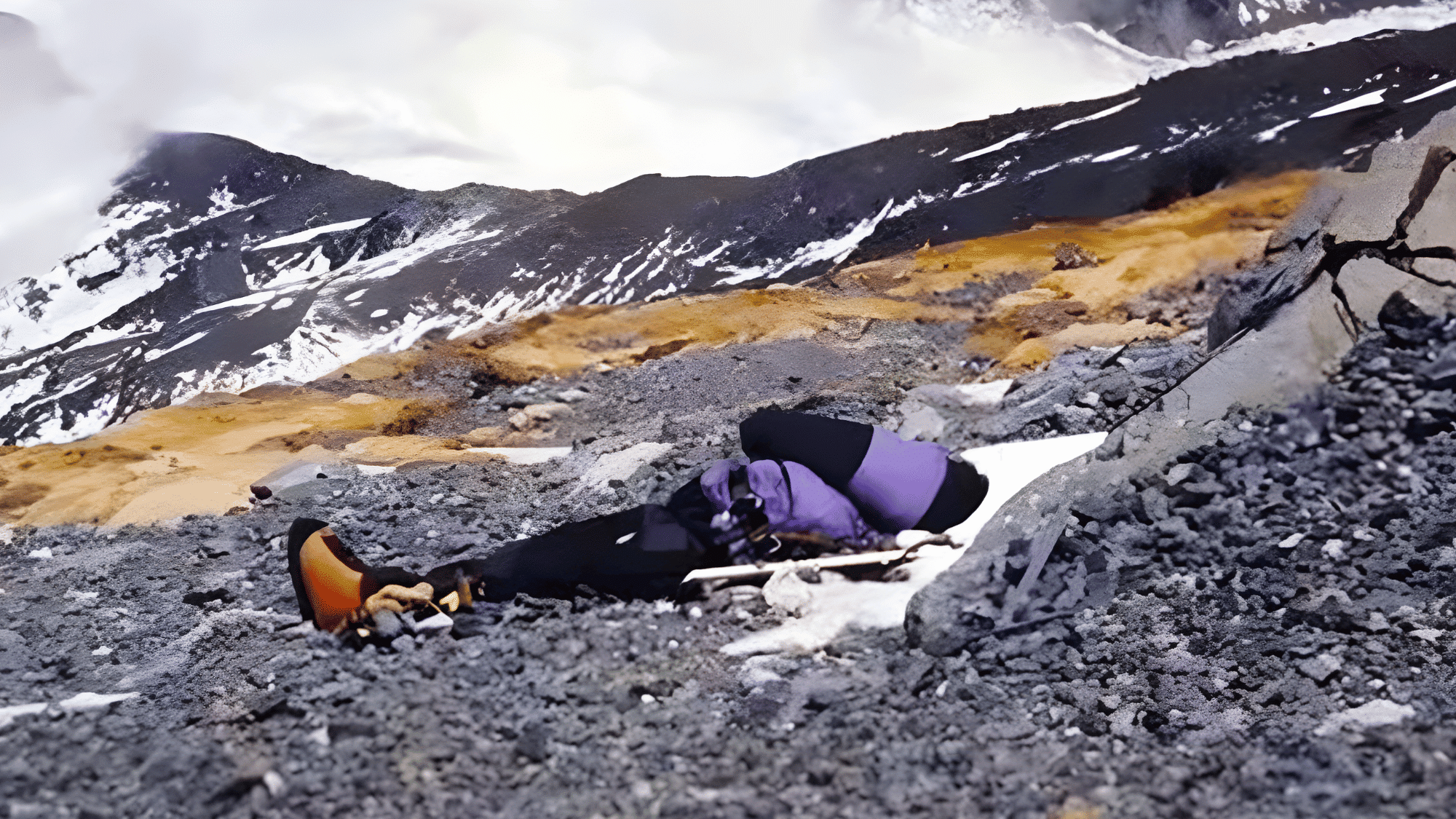
After her death in 1998, Francys Arsentiev’s body remained on Mount Everest for several years, lying along a well-known climbing route on the Northeast Ridge.
Due to the extreme cold and conditions of the mountain, her body was naturally preserved, which is why many climbers later described her as appearing peaceful, almost as if she were resting.
Over time, she became one of the most recognizable landmarks on Everest, often called the “Sleeping Beauty.”
However, in 2007, a team of climbers carried out a respectful effort to move her body away from the main route, providing her with greater privacy and ensuring that her memory would be honored with dignity rather than becoming a point of public attention.
The Legacy of The Sleeping Beauty of Everest
Francys Arsentiev’s legacy continues to live on as a powerful reminder of both human ambition and the harsh realities of Mount Everest.
| Aspect | Key Insight | Why It Matters |
|---|---|---|
| Symbol of Ambition | Climbed Everest without oxygen | Shows human limits |
| Reminder of Risk | Faced extreme conditions | Highlights danger |
| Human Cost | Lost her life on descent | Cost of ambition |
| Climbing Culture Impact | Known among climbers | Teaches lessons |
| Ethical Awareness | Raises respect concerns | Promotes dignity |
| Enduring Legacy | Story still remembered | Keeps awareness alive |
The Fate of Sergei Arsentiev
Sergei Arsentiev, an experienced and determined climber, made a final attempt to save his wife after realizing she had been left behind during the descent.
Despite the extreme conditions and his own exhaustion, he turned back toward the Death Zone in hopes of reaching her. Tragically, he never returned.
His body was later found on the mountain, a testament to his effort and the immense risks of high-altitude rescue.
Sergei’s fate adds a deeply emotional layer to the story, reflecting both the dangers of Everest and his unwavering commitment to Francys.
Lessons from The Sleeping Beauty of Everest
The story of the Sleeping Beauty of Everest offers powerful lessons about ambition, risk, and the unforgiving nature of extreme environments.
- Everest demands extreme preparation and experience
- Climbing without oxygen significantly increases life-threatening risks
- The descent is often more dangerous than the ascent
- High-altitude conditions can quickly impair judgment and decision-making
- Rescue in the Death Zone is rarely possible
- Even strong climbers must respect nature’s limits
- Every climb carries a real human cost and responsibility
The Bottom Line
Francys Arsentiev’s story stays with you long after you finish reading it. She was not just a body on a mountain. She was a mother, a wife, a dreamer, and a woman who loved the climb with everything she had.
The photograph that gave her the name Sleeping Beauty captured a moment of profound loss, but her story deserves to be remembered for so much more than that image.
It is a story about the price of passion, the power of love, and the unforgiving reality of the world’s highest peak. Everest keeps its secrets and its stories forever.
And Francys Arsentiev’s story is one the mountain will never let go of!