
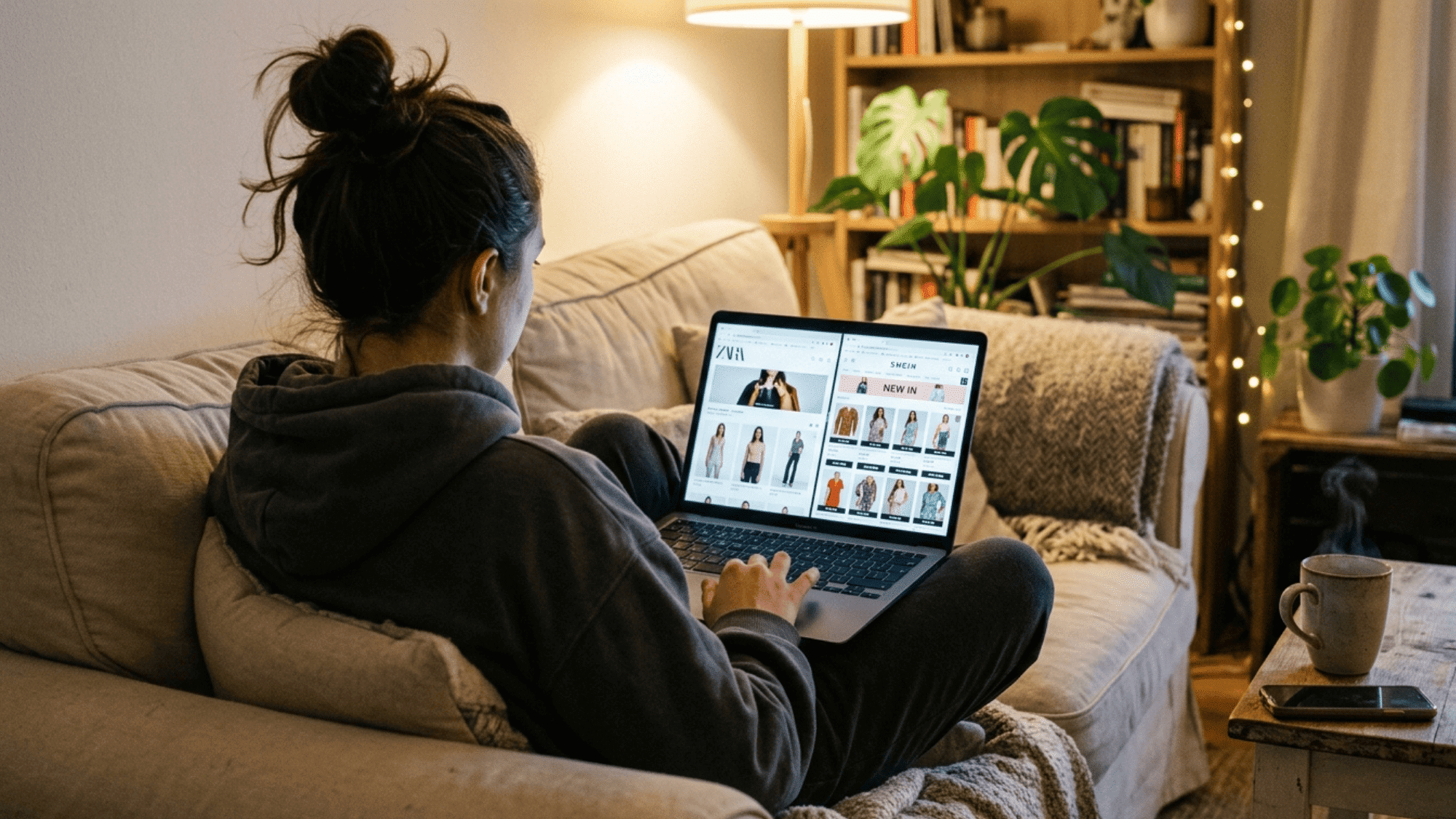
You’ve probably been there, scrolling through Shein late at night or walking past a Zara window, thinking, but which one is actually worth it? Trendy styles, new drops every week, and prices that don’t hurt.
Sounds like a win either way, right? But it’s not that simple. Zara vs Shein isn’t just about who’s cheaper.
It’s about what you’re really getting, the quality, the fit, and what’s going on behind the scenes, often linked to the fast fashion brands list.
So if you’ve ever gone back and forth between the two, keep reading. This one clears it all up and might just change the way you shop for good.
Why Zara and Shein Have Everyone Hooked?
Zara and Shein are two of the biggest names in fashion right now. Zara drops new styles almost every week, so there is always something new to try.
Shein offers thousands of outfits at very low prices, making it easy for anyone to shop. Both brands help people look stylish without spending too much money.
Shopping on Shein is as easy as scrolling through your phone, a pattern often discussed in Gen Z fashion behavior. Zara offers you the latest trends, despite concerns raised in retail lawsuit explanations.
These two brands offer shoppers speed, style, and great prices, and that is why people keep coming back.
Zara Vs Shein: The Key Differences You Should Know
Both brands are huge in the fashion world, but they work in very different ways. Zara focuses on quality and trend-driven design, while Shein focuses on volume and low prices.
Here is a close look at how the two brands truly differ:
1. Fashion Speed
Speed is one of the biggest things that sets these two brands apart. Zara is known for moving fast, but Shein takes speed to a whole new level.
Zara refreshes its collection twice a week, making it one of the fastest brands in traditional retail. Shein, on the other hand, adds 2,000 to 10,000 new items every single day using AI-driven trend tracking.
Zara designs feel more curated and intentional. Shein feels like an endless scroll of options. If speed and variety are your priority, Shein wins. If you want trend quality over quantity, Zara takes the lead.
Here Is how Their Production Timelines Stack Up:
| Feature | Zara | Shein |
|---|---|---|
| New Drops | Twice a week | 2,000–10,000 items/day |
| Design Process | In-house designers | AI + trend algorithms |
| Style Focus | Curated, wearable trends | Mass, viral microtrends |
2. Size Range
Size inclusivity is something more shoppers are paying close attention to today. Both brands offer extended sizing, but the range and fit experience can feel very different.
Shein offers sizes from XS to 5XL across most categories, making it one of the more size-inclusive fast-fashion brands. Zara has improved its sizing in recent years, now offering up to XXL or 3XL in select items.
Shein also has a dedicated plus-size section with its sub-brand Curve. Zara’s fits tend to run more European, which can be tricky for diverse body types.
Here Is What You Need to Know Before You Shop:
| Feature | Zara | Shein |
|---|---|---|
| Size Range | XS – 3XL (select items) | XS – 5XL |
| Plus-Size Section | Limited | Yes (Shein Curve) |
| Fit Style | European cut | Varied, global fit |
3. Ethics
Ethics and sustainability are two of the most talked-about topics in fashion right now. Both Zara and Shein have faced criticism, but for different reasons and at very different scales.
Zara’s parent company, Inditex, has publicly committed to using 100% sustainable fabrics by 2030 and has joined several eco-certification programs.
Shein has faced serious backlash over labor conditions, lack of supply chain transparency, and extreme overproduction. Zara is far from perfect, but it operates with more regulatory oversight.
Shein’s ultra-low prices raise real questions about who is paying the true cost of each item.
Here Is an Honest Look at Where Each Brand Stands:
| Feature | Zara | Shein |
|---|---|---|
| Sustainability Goals | Yes (Inditex 2030 plan) | Vague, limited |
| Labor Transparency | Moderate | Low |
| Overproduction Concern | Moderate | Very High |
| Certifications | Some (e.g., Better Cotton) | Minimal |
Avoid These Common Shopping Mistakes Before You Check Out
Either you are team Zara or team Shein, doesnt matter. Smart shopping always starts with knowing what to look out for.
The Zara vs Shein debate is fun, but making a bad buy is not. Here are some easy tips to help you shop better from both brands:
- Always check the size chart: Zara runs on European sizing, and Shein sizes can vary by item, so never skip this step.
- Read reviews before buying from Shein: Product photos can look different from what arrives, so reviews with real photos are especially helpful.
- Set a budget before opening a Shein account: Low prices make it easy to overspend without realizing it.
- Shop Zara’s end-of-season sales: Prices drop significantly, and you still get great-quality pieces for less.
- Check Shein’s return policy per item: Not everything is eligible for return, so look before you check out.
- Buy basics from Zara, trends from Shein: Zara’s basics last longer, while Shein is great for fun, one-season styles.
- Look for Shein coupons and app deals: The app almost always has discount codes that further reduce prices.
The Bottom Line
At the end of the day, the whole Zara vs Shein debate really comes down to your budget, style, and what you actually want out of a purchase.
Maybe you’re team Shein for everyday hauls, and maybe Zara’s the go-to when you want something that actually lasts, or maybe you’re somewhere in between, and all of that is totally fair.
But now that the full picture is clear, picking between the two isn’t just about price or aesthetics anymore. There’s real context behind every cart decision.
So either your next order lands on Shein or in a Zara fitting room, at least now you know exactly what you’re choosing.