

Visual Kei has produced hundreds of iconic bands across four decades, but few questions spark more debate than this one.
Who are the Big Four of Visual Kei? History and picks vary depending on who you ask.
This guide breaks down the movement’s most influential acts, where they came from, and why the debate refuses to die.
What Is Visual Kei
Visual Kei is a Japanese music movement that began in the 1980s. It blends hard rock, punk, and metal music with extreme fashion and theatrical stage performances.
Bands wear dramatic makeup, wild hairstyles, and elaborate costumes. Think glam rock turned up to maximum volume.
The name roughly translates to “visual style,” which perfectly captures what it is about. The look is just as important as the sound.
It is not a single genre. It is a full artistic movement where music, fashion, and performance are treated as one.
The Origins of Visual Kei:1980s–Early 90s
Visual Kei took shape in Japan during the mid-1980s, led by a small group of pioneering bands.
X Japan is widely recognized as the flagship act, with founder Yoshiki developing the concept of “Visual Shock,” which relies on overwhelming audiences with sound and spectacle.
Buck-Tick and Dead End were equally important early forces. These bands started in underground clubs before crossing over into mainstream Japanese music, proving that extreme visuals and serious artistry could coexist.
Some substyles focus on grace rather than intensity, which is where concepts like tanbi kei aesthetic meaning begin to intersect with the movement’s softer, more refined side
The 1990s Boom: When Visual Kei Went Mainstream
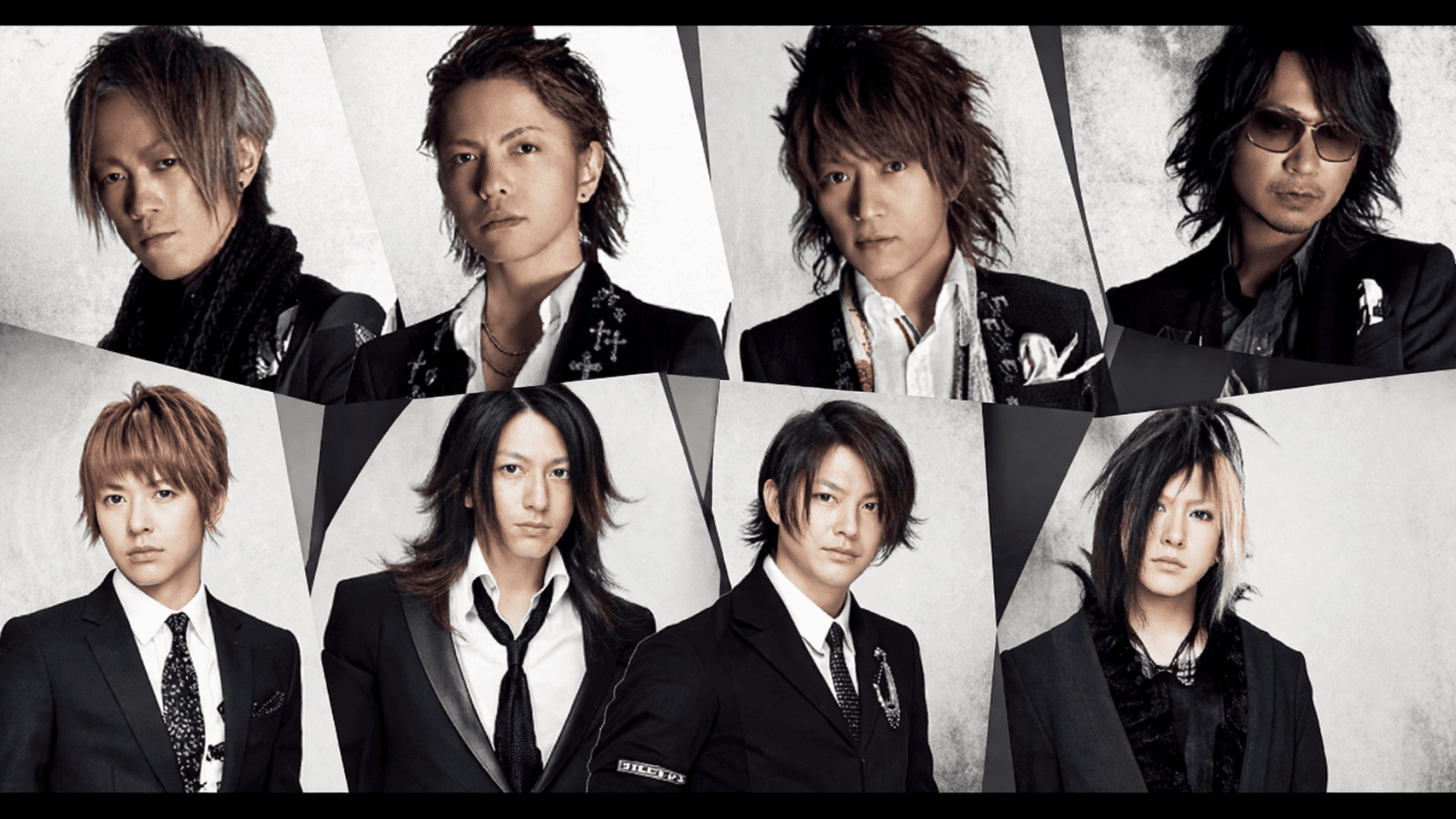
Visual Kei exploded in the 1990s, moving from underground clubs to the top of Japanese music charts.
- Glay, L’Arc-en-Ciel, and Luna Sea became household names across Japan.
- These bands sold out arenas and dominated mainstream radio.
- Success brought change, and some bands began toning down their heavy visuals.
- A softer, more polished sound began to emerge from the heavier original style.
- This fragmentation planted the seeds for dozens of Visual Kei sub-styles to come.
Who Are the “Big Four of Visual Kei
A lot of confusion around the “Big Four” comes from mixing historical labels with modern fan interpretations. The comparison below makes that distinction clear:
| ASPECT | SCENE “BIG FOUR” (LATE 90S) | INFLUENTIAL “BIG FOUR” (FAN-BASED) |
|---|---|---|
| Bands | Malice Mizer, La’cryma Christi, Shazna, Fanatic Crisis | X Japan, Luna Sea, Glay, L’Arc-en-Ciel |
| Origin | Officially labeled within the scene | Fan-created grouping |
| Timeframe | Late 1990s Visual Kei peak | Broader 90s golden era |
| Basis | Industry/media terminology | Cultural + commercial impact |
| Accuracy | Historically precise | Popular but unofficial |
| SEO Value | Niche, lower search volume | High search intent and traffic |
Note: To fully understand their impact, you need to see how they fit into the broader history of visual kei, where music, fashion, and identity merge.
Breakdown of Each Big Four Band
Few bands in any genre have shaped a movement like these four did for Visual Kei, each bringing something unique and collectively building the scene’s foundation.
1. X Japan: The Founders
X Japan created the blueprint that every Visual Kei band would later borrow from. Their mix of classical piano, heavy metal, and theatrical performance set a standard that still holds up today.
Yoshiki’s “Visual Shock” concept gave the movement its philosophical backbone, and their emotionally charged live shows redefined what a rock concert could look like.
2. Luna Sea: The Sound Innovators
Luna Sea balanced experimentation with mainstream appeal in a way few bands managed, leaving a direct mark on nearly every artist that followed.
Their ability to blend dark aesthetics with melodic songwriting gave Visual Kei a new creative direction, opening doors for an entire generation of artists.
3. Glay: The Commercial Giants
Glay became one of Japan’s best-selling rock acts, proving Visual Kei could reach enormous mainstream audiences without losing its identity.
Their 1999 concert in Makuhari drew over 200,000 fans, a record that cemented their place as one of the biggest live acts Japan has ever produced.
4. L’Arc-en-Ciel: The Evolution Leaders
L’Arc-en-Ciel evolved from Visual Kei roots into a global alternative rock act, proving the movement could produce artists with genuine international reach.
With successful tours across Asia, Europe, and North America, they became proof that Visual Kei’s artistic ambition had no geographic ceiling.
Other Important Visual Kei Bands You Should Know
Visual Kei produced far more than four legendary bands. Each of these acts pushed the movement in a distinct direction and deserves its own recognition.
- Malice Mizer treated every performance like a staged production, bringing a baroque, theatrical elegance few bands in any genre have matched.
- Dir En Grey pushed into progressive and extreme metal territory, building a genuine international fanbase well outside Japan.
- The Gazette carried Visual Kei into the modern era with a heavier, darker sound that kept the movement relevant for younger fans.
- Versailles revived the neo-classical, theatrical side of Visual Kei at a time when the scene needed exactly that reminder.
Why the Big Four Debate Still Exists
Visual Kei has no official rulebook, which means no one can fully agree on who belongs at the top.
The movement spans decades, and bands that defined one era might be unknown to fans who found the scene in another.
Fans, music historians, and Japanese media often produce different lists. That disagreement is not a flaw. It reflects how large and decentralized Visual Kei actually is, and why the conversation stays alive.
For example, discussions around goth culture and Christianity highlight similar tensions between aesthetics and personal belief, showing how alternative styles evolve across cultures.
Wrapping It Up
The Big Four is a starting point, not a final answer. Visual Kei is too vast and varied for any single list to capture it all.
X Japan, Luna Sea, Glay, and L’Arc-en-Ciel earned their place through influence, innovation, and impact.
But the deeper you dig into this movement, the more names demand attention. Learn the music, follow the history, and you will likely build a Big Four of your own.