
Wool remains one of the oldest natural fibers in textile history, yet the distinctions between various types often go unrecognized by people.
From the ultra-fine fibers of merino sheep to the weather-resistant fleece of Icelandic breeds, different types of wool serve various purposes in fashion and functional textiles.
Recognizing the characteristics of various types of wool makes all the difference in selecting materials that truly meet specific needs.
What Makes Wool Different from Other Fibers?
Wool stands apart from synthetic and plant-based fibers due to its protein structure. Unlike cotton or polyester, wool fibers have a natural crimp and scales that create exceptional insulation.
This structure allows all types of wool to regulate temperature effectively, keeping wearers warm in cold conditions and cool when temperatures rise.
The fiber also wicks moisture away from the skin while resisting odors, a combination that synthetic materials struggle to replicate.
Additionally, wool possesses natural elasticity and flame resistance.
These properties explain why various types of wool remain preferred choices for everything from base layers to luxury outerwear.
Luxury and Exotic Wool Types
These premium fibers of these types of wool come from rare animals or specialized breeds, often requiring careful harvesting methods and commanding higher prices due to their exceptional qualities and limited availability.
1. Vicuña Wool
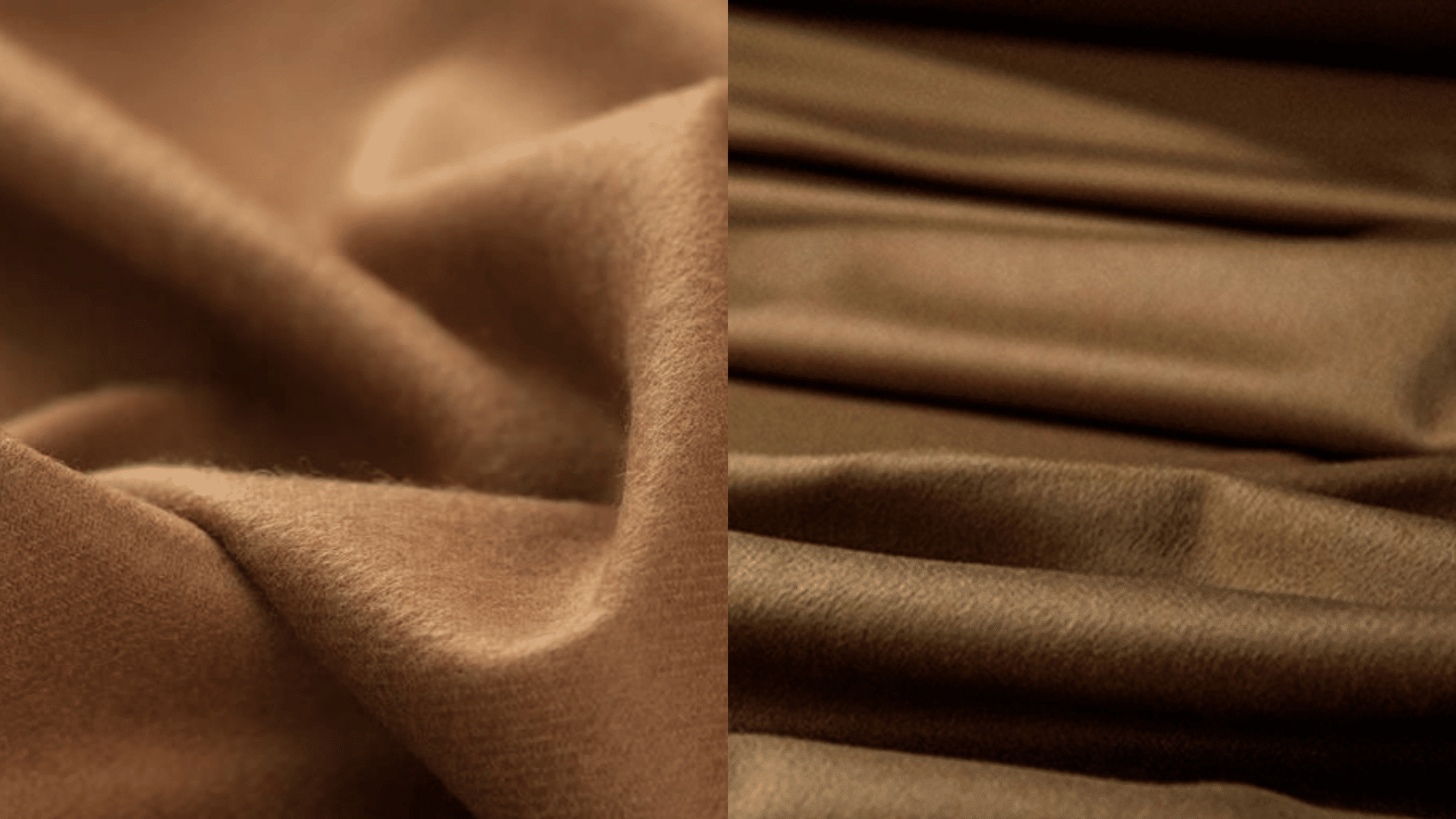
The world’s most expensive and finest wool comes from the wild vicuña of the Andes mountains, measuring just 7-13 microns.
This ultra-rare fiber is tightly regulated due to conservation efforts, with each animal only sheared once every two years.
Vicuña wool is the ultimate status symbol in luxury fashion and is highly sought after for exclusive coats and scarves.
- Softness Level: The softest natural fiber in the world
- Price Range: Ultra-luxury ($3,000+ per yard of fabric)
- Durability: Fragile and requires extremely careful handling
2. Qiviut (Muskox Wool)
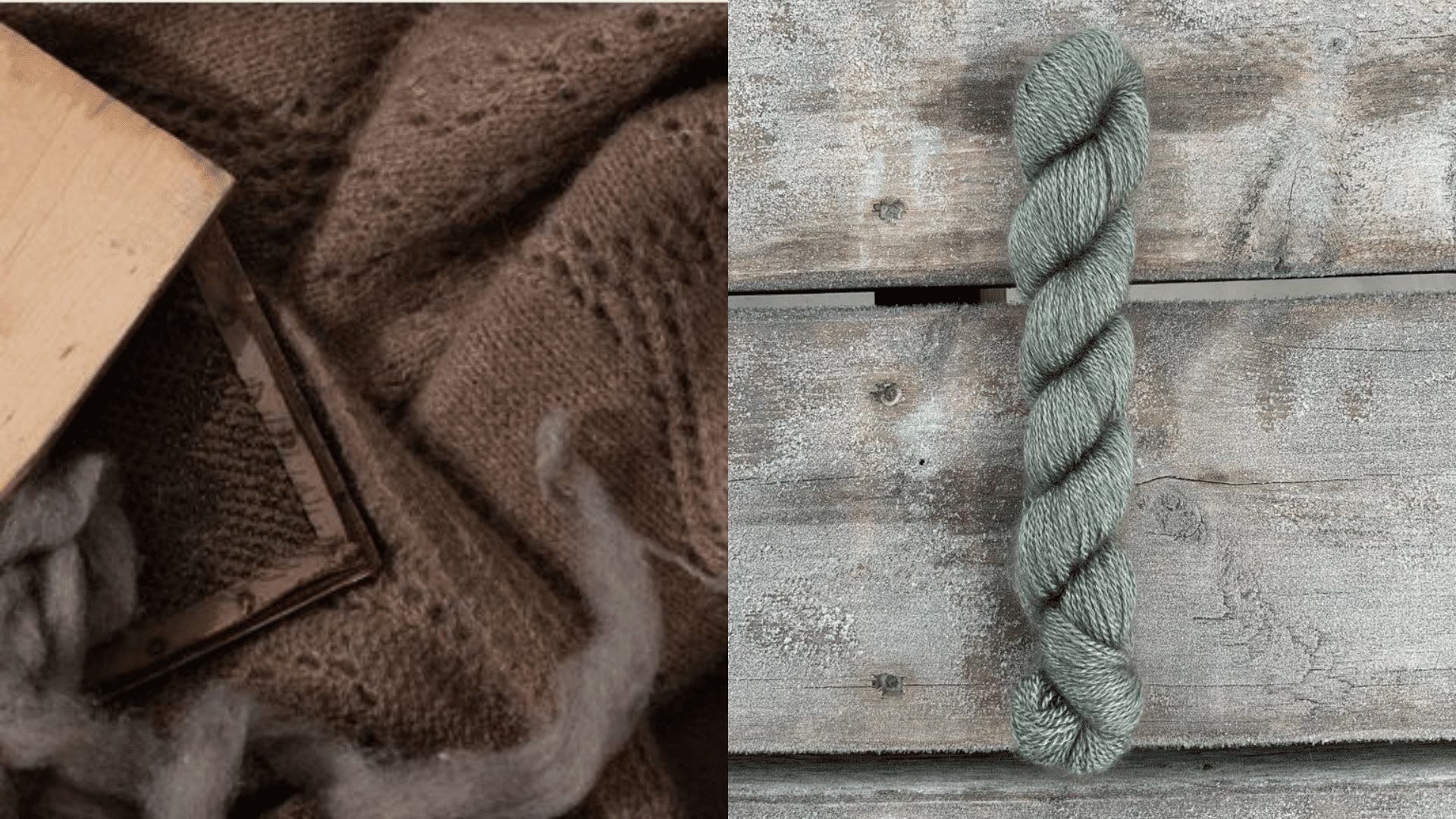
Harvested from Arctic muskoxen, qiviut is one of the warmest natural fibers on earth. This fiber is collected from the ground or combed during natural molting, as muskoxen cannot be domesticated.
Known as the “golden fleece of the Arctic,” qiviut is perfect for extreme cold weather conditions.
- Softness Level: Incredibly soft at 12-13 microns
- Price Range: Ultra-luxury (one of the most expensive wools)
- Durability: Exceptionally strong despite its fineness
3. Cashmere Wool
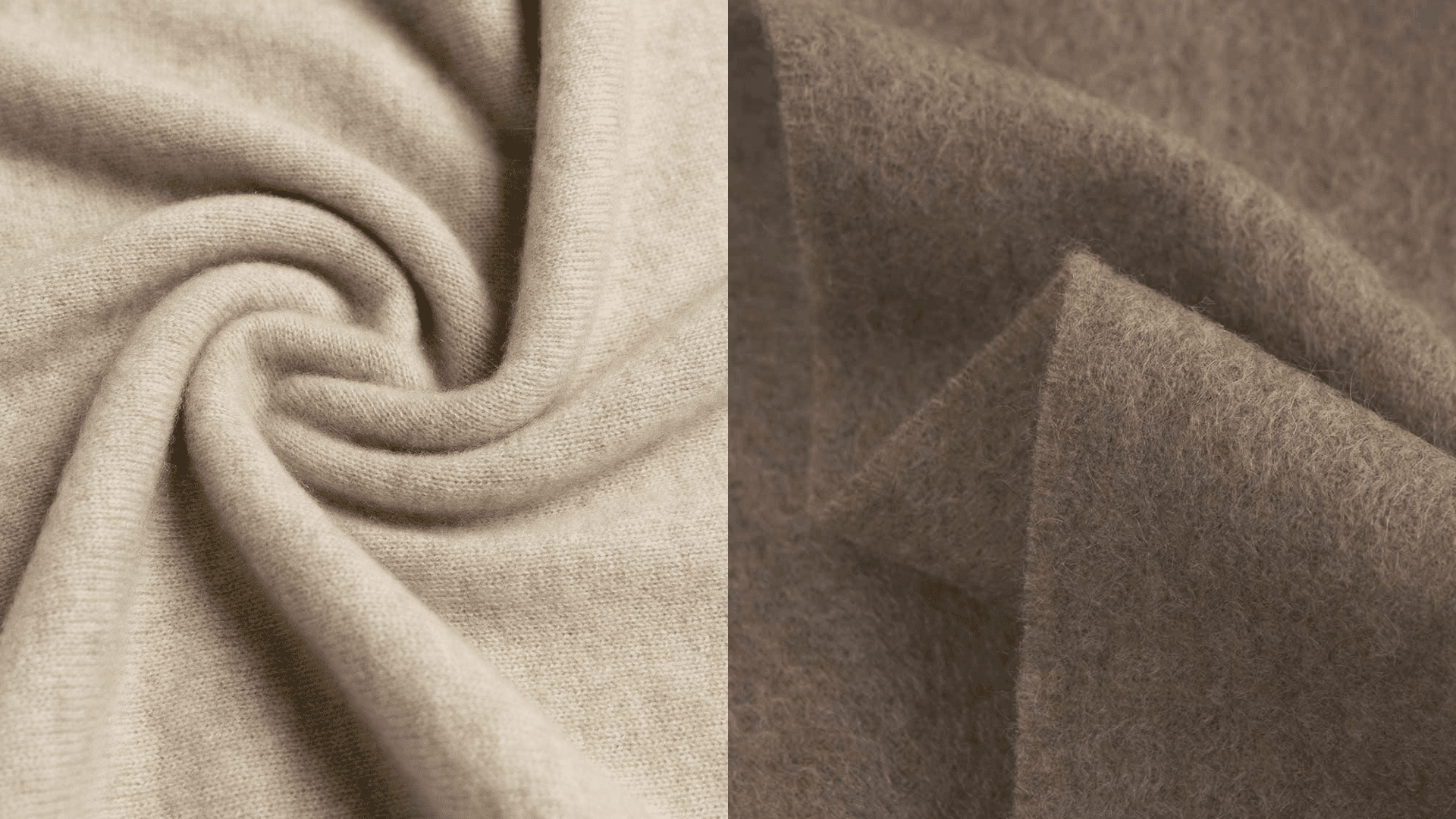
Cashmere comes from the undercoat of Kashmir goats, primarily raised in Mongolia, China, and Tibet.
This prized wool is three times warmer than sheep’s wool and graded from A to C based on quality, with Grade A representing the finest variety.
- Softness Level: Luxuriously soft (13-18 microns)
- Price Range: Luxury ($400-$2,000 per garment)
- Durability: Prone to pilling; requires gentle care
4. Shahtoosh Wool
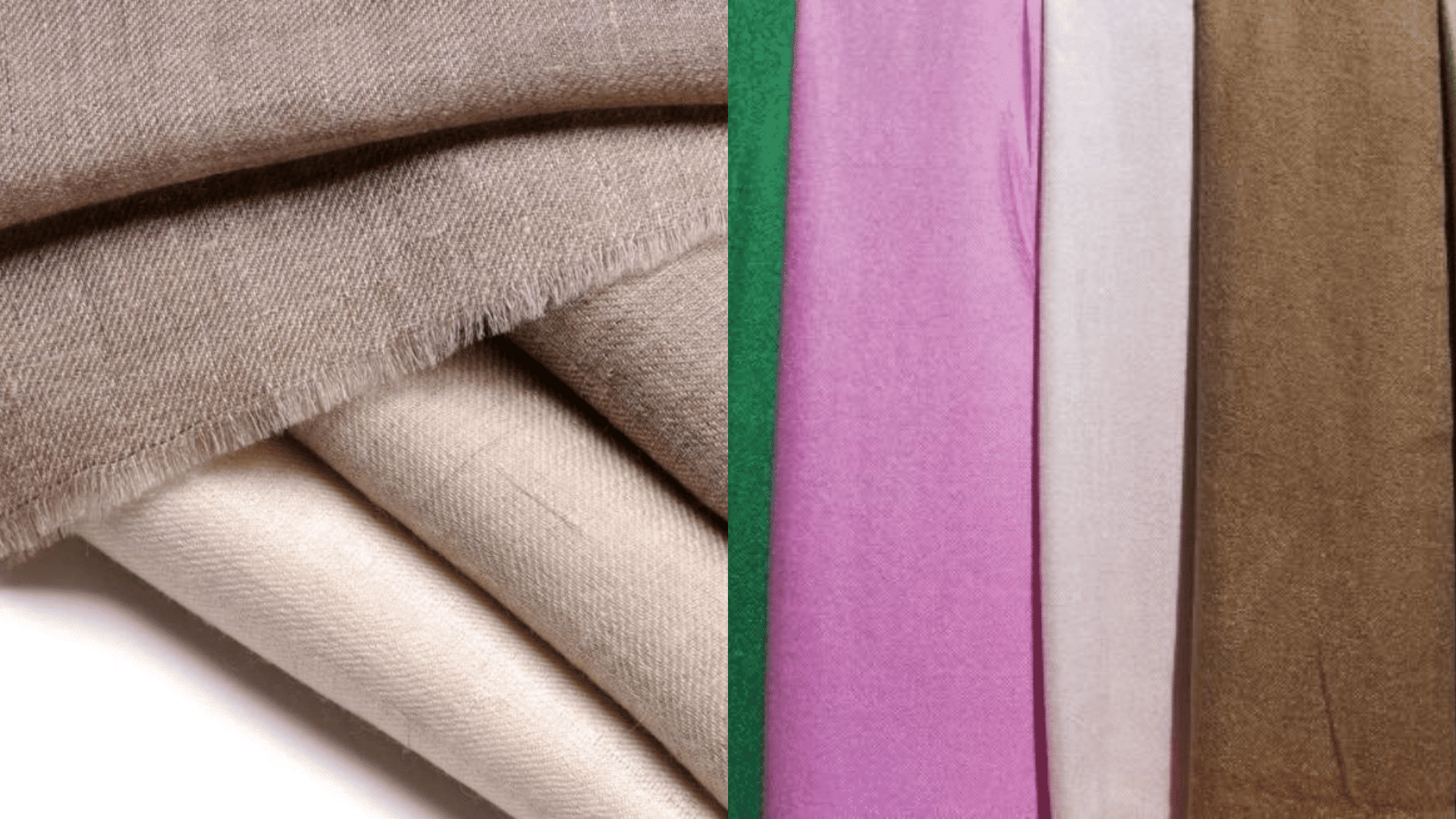
Though now banned internationally due to endangered species protection, shahtoosh comes from the Tibetan antelope (chiru). This ultra-fine wool was historically prized for its unmatched warmth, often called the “ring shawl”.
Today, any shahtoosh trade is illegal, and mentioning it serves as an important reminder of the balance between luxury and conservation in the wool industry.
- Softness Level: Historically considered the softest (9-12 microns)
- Price Range: N/A (Illegal to buy or sell)
- Durability: Extremely fine and fragile
5. Camel Hair Wool
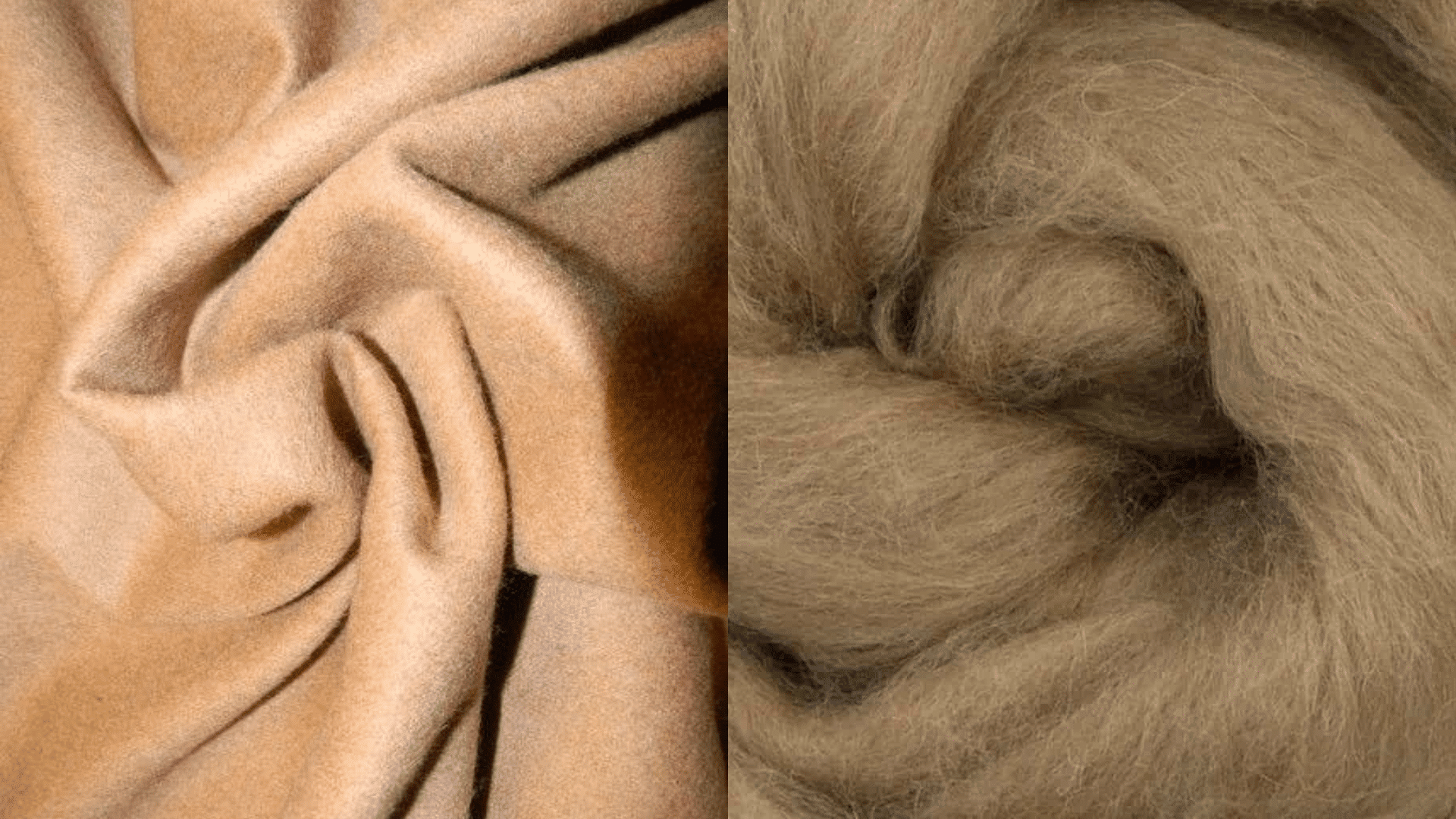
Sourced from the undercoat of Bactrian camels native to Mongolia and China, camel hair has a natural golden-brown hue.
This fiber is collected during the spring molting season when camels naturally shed their winter coats, requiring no shearing.
Camel wool provides excellent insulation while being naturally water-resistant, making it ideal for high-end coats and accessories.
- Softness Level: Soft and luxurious (around 20 microns)
- Price Range: Luxury ($300-$1,500 per garment)
- Durability: Strong and long-lasting with proper care
6. Guanaco Wool
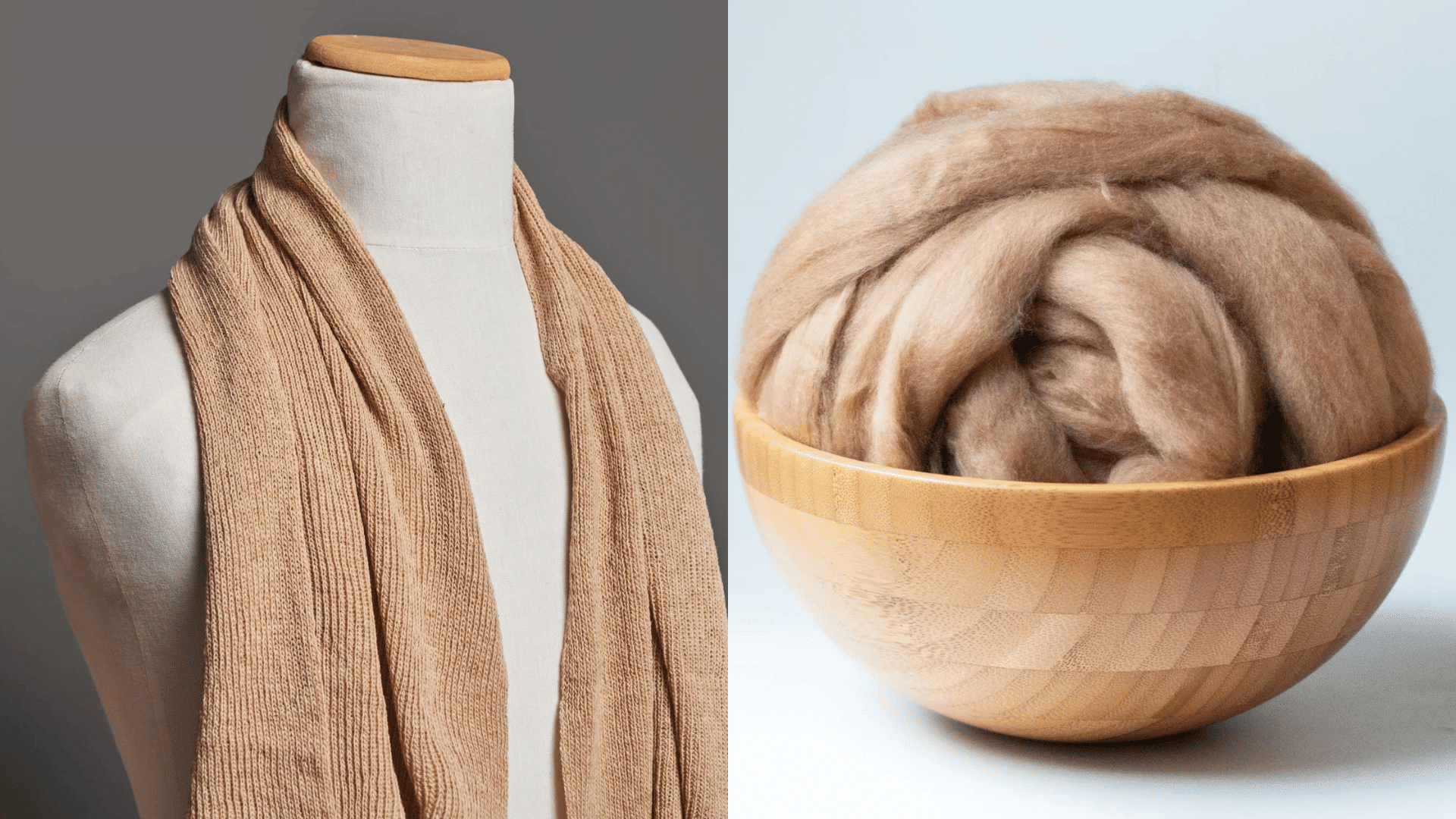
Coming from wild guanacos in South America, this wool is warmer than sheep’s wool. Guanaco fiber is harvested sustainably from wild or semi-wild populations.
The wool has a beautiful natural cinnamon-brown color with creamy white underbelly fibers, and it’s prized for its rarity and use in ultra-luxury garments and accessories.
- Softness Level: Exceptionally soft (16-18 microns)
- Price Range: Ultra-luxury ($800-$3,000 per garment)
- Durability: Very durable and resilient
7. Baby Cashmere
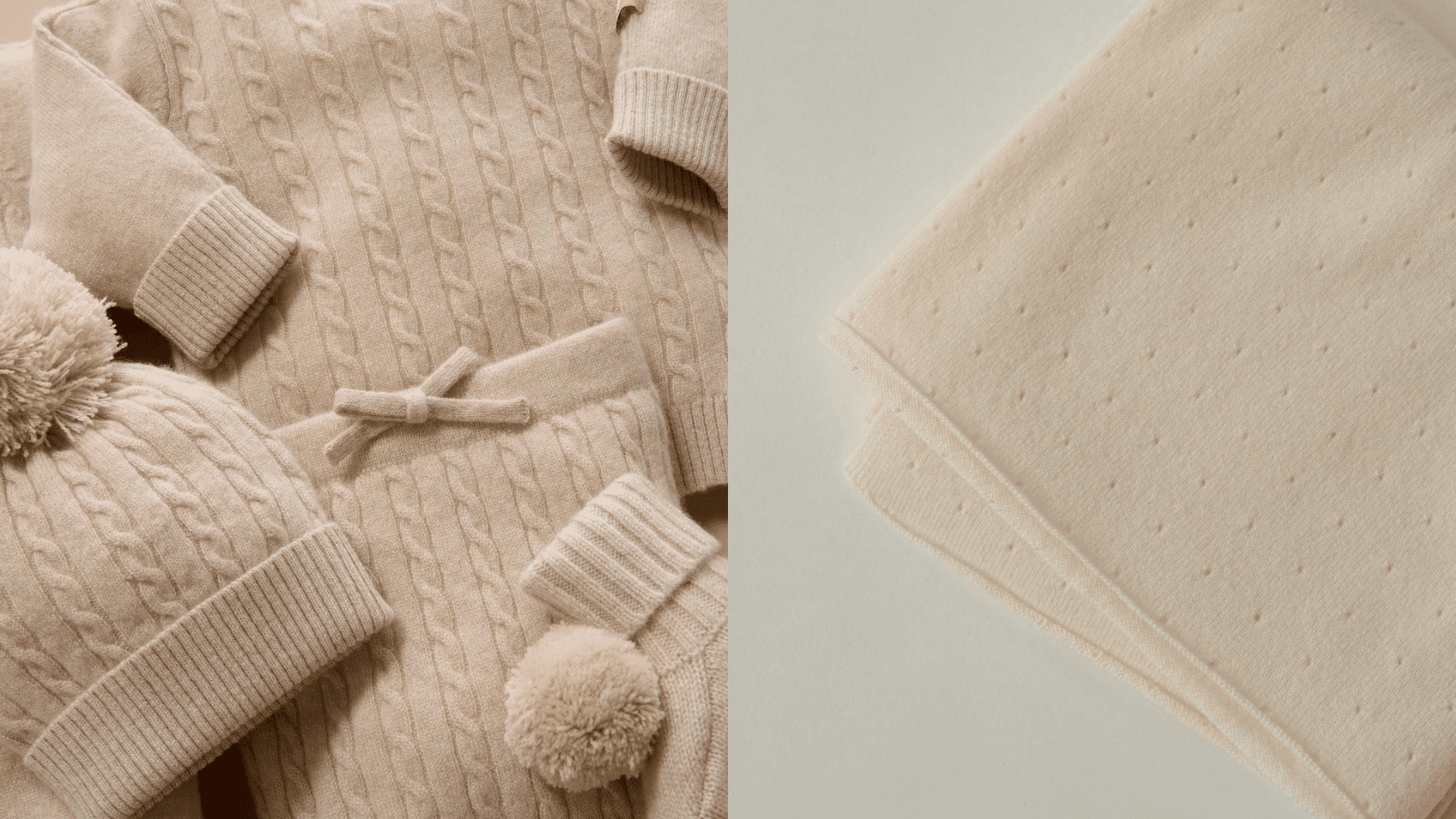
The best in cashmere luxury, baby cashmere comes from the first combing of young Kashmir goats under 12 months old.
Baby cashmere is hypoallergenic and provides exceptional warmth without weight, commanding premium prices for the world’s most exclusive knitwear and accessories.
- Softness Level: Softer than regular cashmere (13-14 microns)
- Price Range: Ultra-luxury ($1,000-$5,000+ per garment)
- Durability: Very fine; requires exceptional care
Everyday Common Wool Types
Ranging from flexible sheep breeds to popular specialty fibers, these wools are widely available and suitable for everything from everyday clothing to home textiles, making them practical choices for most consumers.
8. Merino Wool
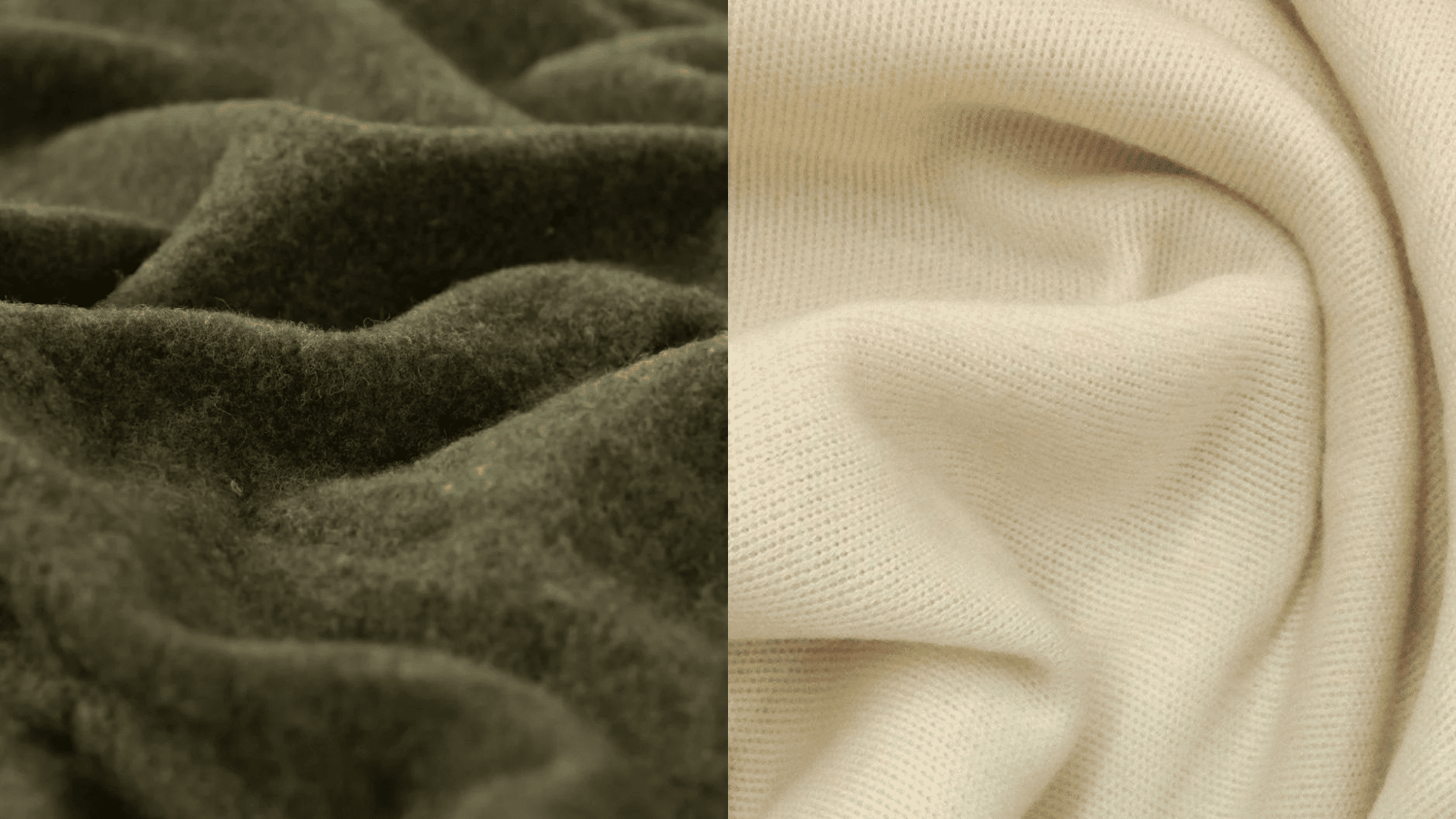
Sourced from Merino sheep primarily in Australia, New Zealand, and South Africa, Merino wool is the gold standard for everyday wear.
This premium sheep wool is naturally temperature-regulating, making it perfect for activewear and base layers.
Merino is available in multiple grades from ultrafine to strong, and it’s used in everything from athletic wear to luxury suits.
- Softness Level: Very soft and non-itchy (17-25 microns)
- Price Range: Mid-range ($80-$300 per garment)
- Durability: Highly durable and resistant to wear
9. Lambswool/Virgin Wool
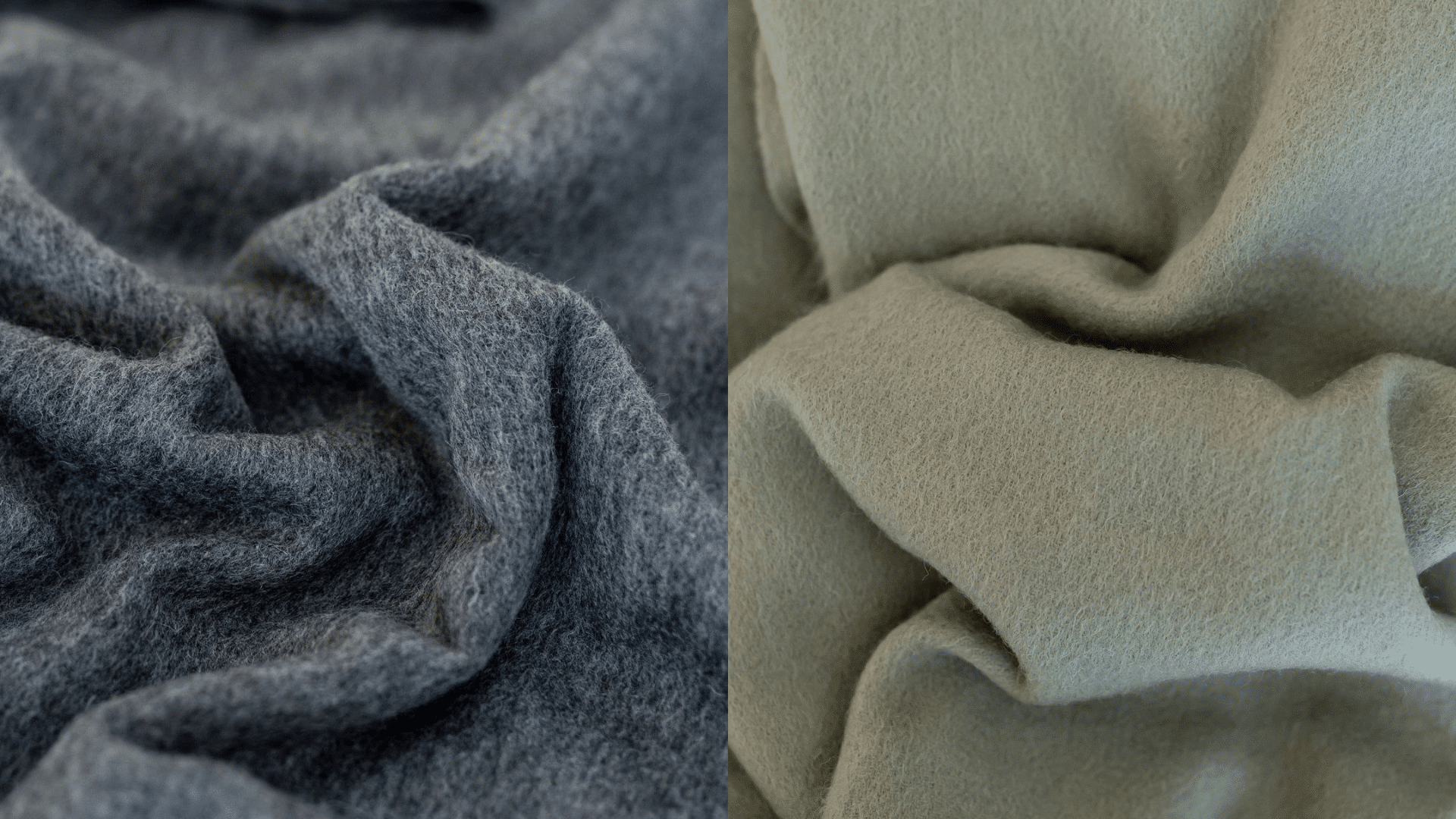
Taken from a sheep’s first shearing at around 6-7 months of age, lambswool is significantly finer than wool from adult sheep.
The term “virgin wool” indicates that the fiber has never been processed or used before, ensuring maximum quality.
This premium wool is naturally hypoallergenic, elastic, and retains warmth exceptionally well, making it best for sweaters, baby clothing, and high-quality knitwear that feels gentle against the skin.
- Softness Level: Softer and finer than adult sheep wool
- Price Range: Mid-range ($100-$400 per garment)
- Durability: Good durability, but less resilient than adult wool
10. Regular Sheep’s Wool
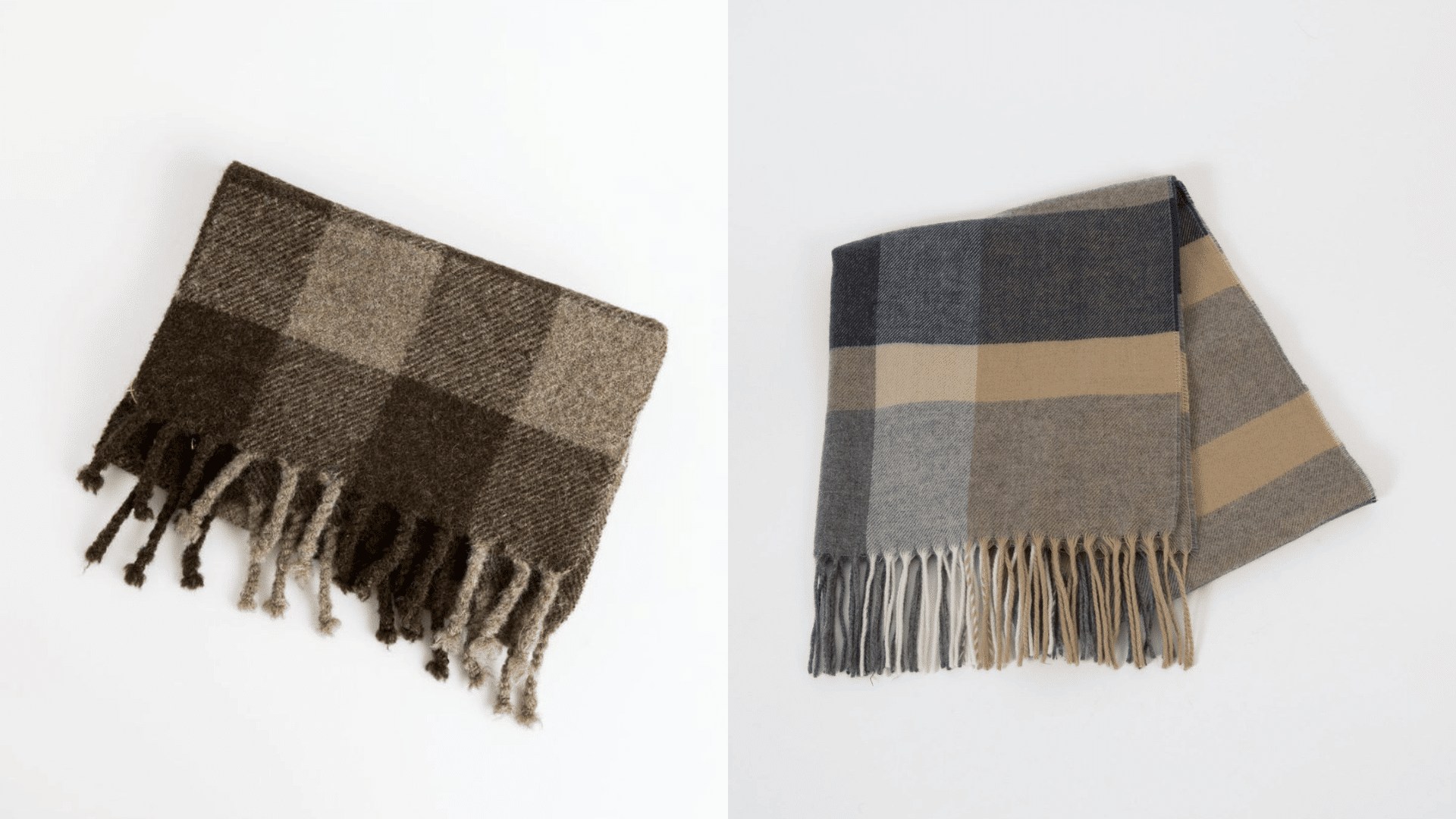
The most common and affordable wool type comes from various sheep breeds worldwide, harvested from sheep seven months or older, with characteristics varying by breed.
This fiber can range from fine to coarse, depending on the sheep breed.
Regular sheep’s wool is incredibly adaptable, used for everything from lightweight gauze fabrics to heavy coating materials.
- Softness Level: Varies widely; can be coarse (25-40+ microns)
- Price Range: Budget-friendly ($30-$150 per garment)
- Durability: Extremely durable and long-lasting
11. Alpaca Wool
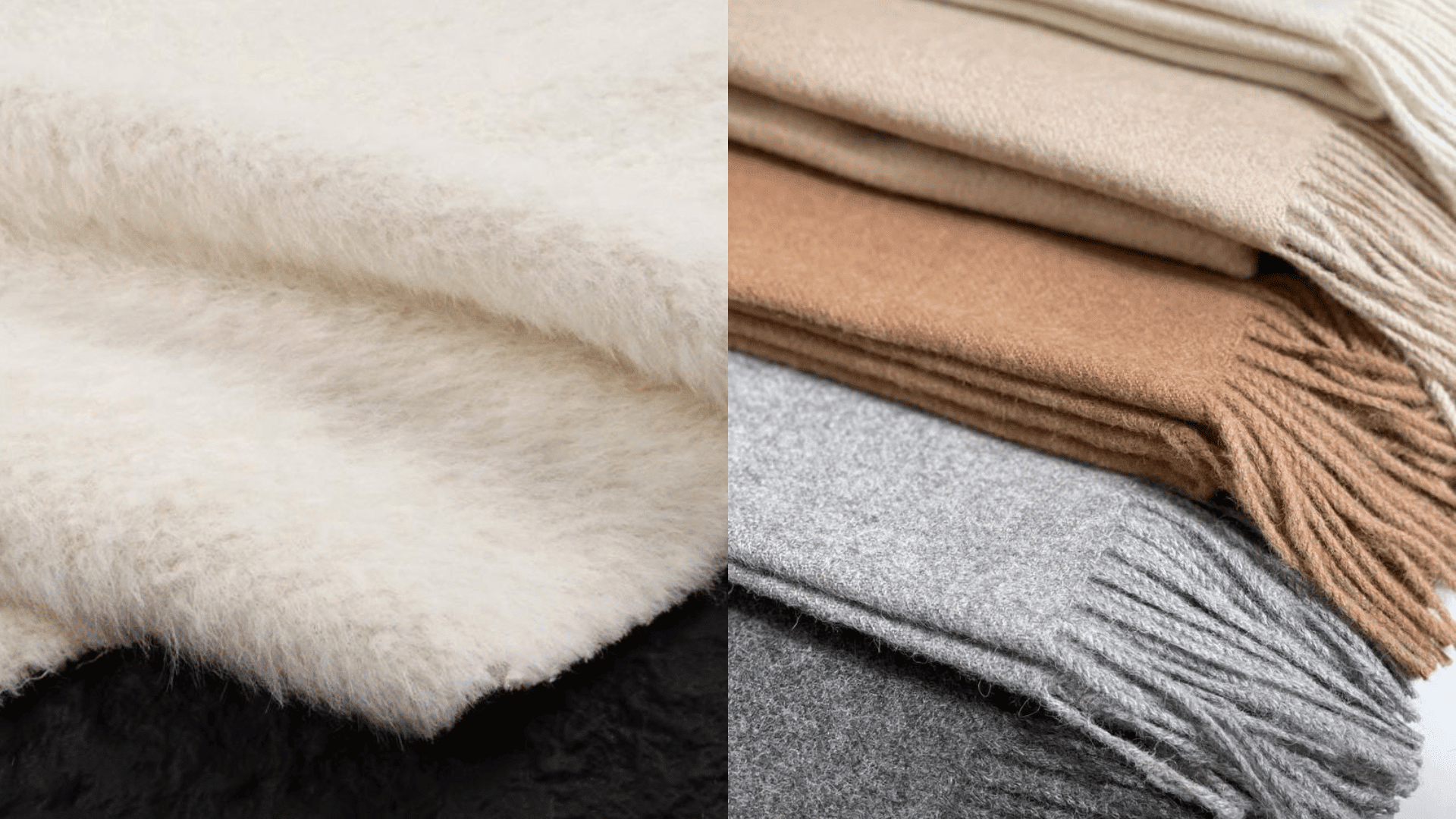
Harvested from alpacas in South America, alpaca wool comes in varieties of Huacaya and Suri. This fiber is warmer, lighter, and stronger than sheep’s wool, and available in over 20 natural colors.
Alpaca wool is water-resistant, doesn’t pill easily, and provides excellent insulation, making it perfect for luxury sweaters, coats, and blankets, while also being more sustainable than cashmere.
- Softness Level: Ranges from soft to very soft (15-40 microns)
- Price Range: Mid to high ($100-$500 per garment)
- Durability: Stronger and more durable than sheep’s wool
12. Mohair Wool
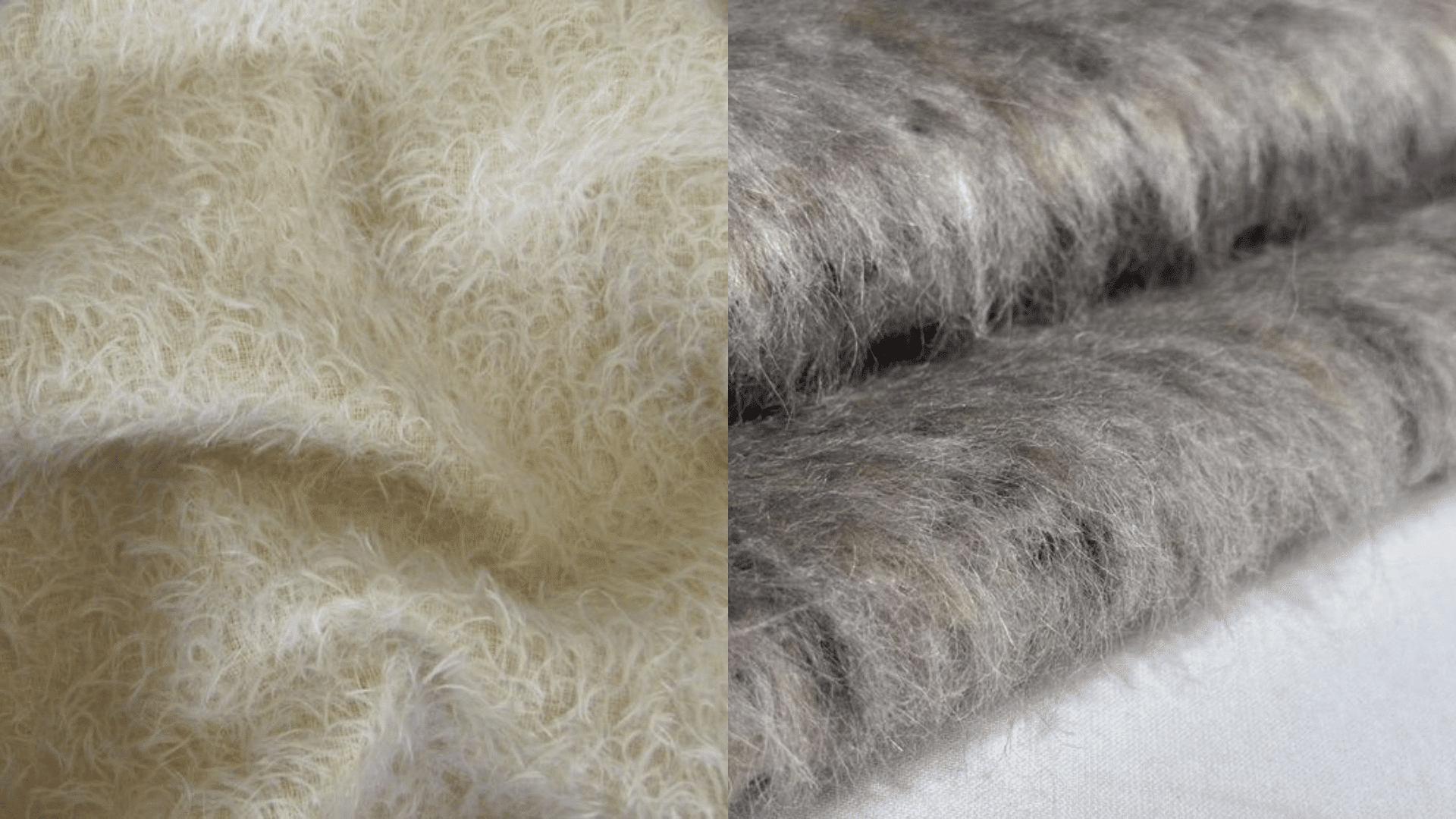
Produced by Angora goats, primarily in South Africa, Turkey, and Texas, mohair features lustrous fibers. This wool has a distinctive sheen and frizzy texture that takes dye exceptionally well, resulting in vibrant colors that last.
Mohair is naturally elastic and provides excellent insulation while being lightweight, making it popular for blankets, suits, sweaters, and decorative textiles.
- Softness Level: Can be coarse but silky (20-40 microns)
- Price Range: Mid-range ($80-$350 per garment)
- Durability: Stronger than sheep’s wool; highly resilient
13. Yak Wool (Khullu)
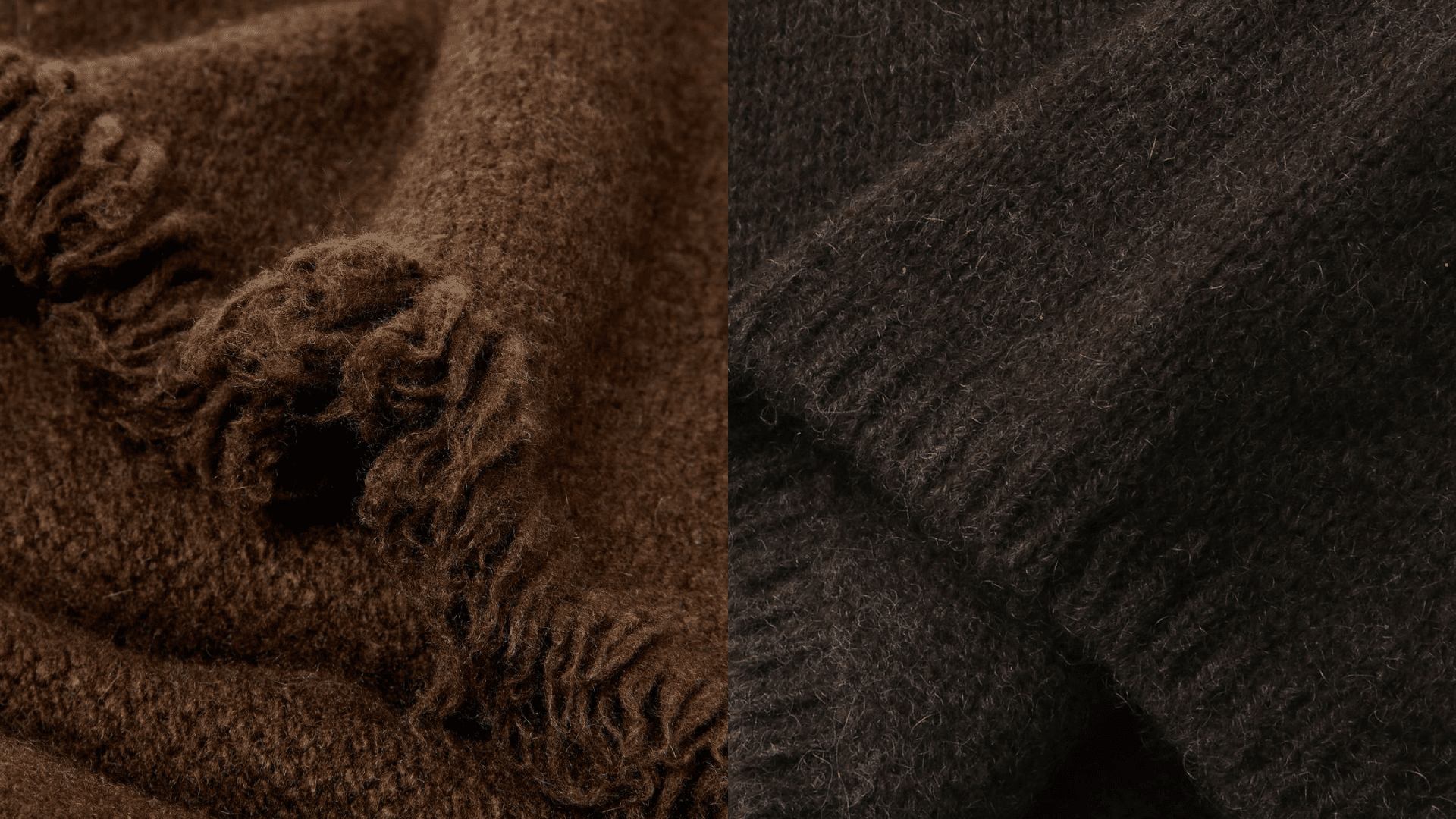
Coming from the undercoat of Tibetan yaks living at high altitudes in the Himalayas, khullu fibers are naturally shed each spring. This sustainable wool has remarkable antimicrobial and thermoregulating properties.
Yak wool is perfect for all-season wear as it keeps you warm in winter and cool in summer, and it naturally resists odors, making it best for sweaters, base layers, and blankets.
- Softness Level: Exceptionally soft, comparable to cashmere (17-19 microns)
- Price Range: Mid to high ($120-$400 per garment)
- Durability: More durable than cashmere; excellent longevity
14. Corriedale Wool
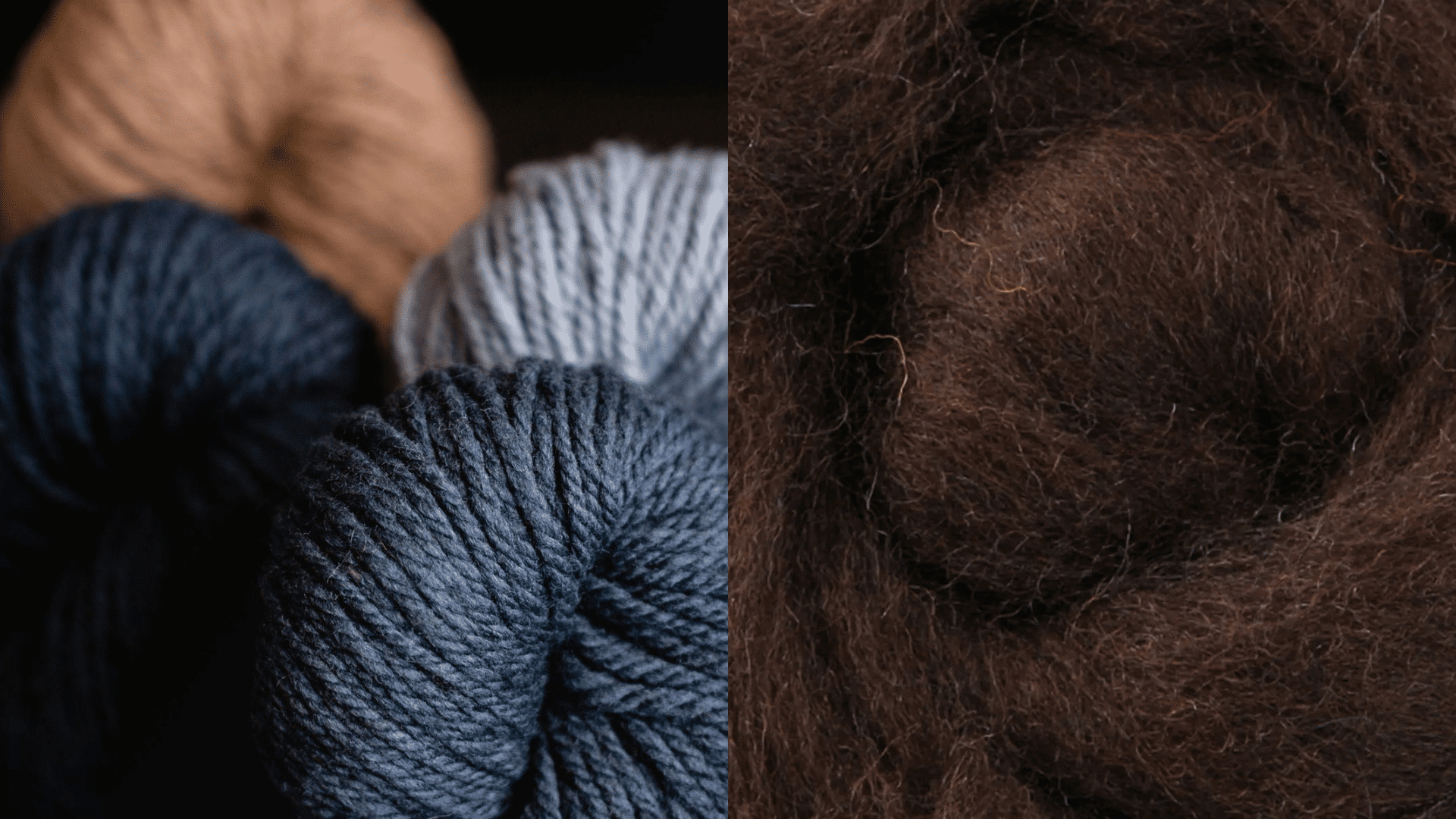
A dual-purpose wool from Corriedale sheep, this fiber offers a balance of qualities. Corriedale wool has a beautiful natural crimp that gives it loft and elasticity, making it easy to spin and felt while holding dye colors exceptionally well.
This wool is popular among hand spinners and crafters, used for everything from comfortable everyday sweaters to rugs and felted products.
- Softness Level: Medium-fine; comfortable but not ultra-soft (25-31 microns)
- Price Range: Budget to mid ($40-$180 per garment)
- Durability: Good durability; holds up well to regular wear
Specially Processed and Textured Wool Types
These specialty wool types showcase the flexibility of wool processing techniques, from traditional methods like felting and tweed-making to modern treatments that enhance specific properties.
15. Worsted Wool
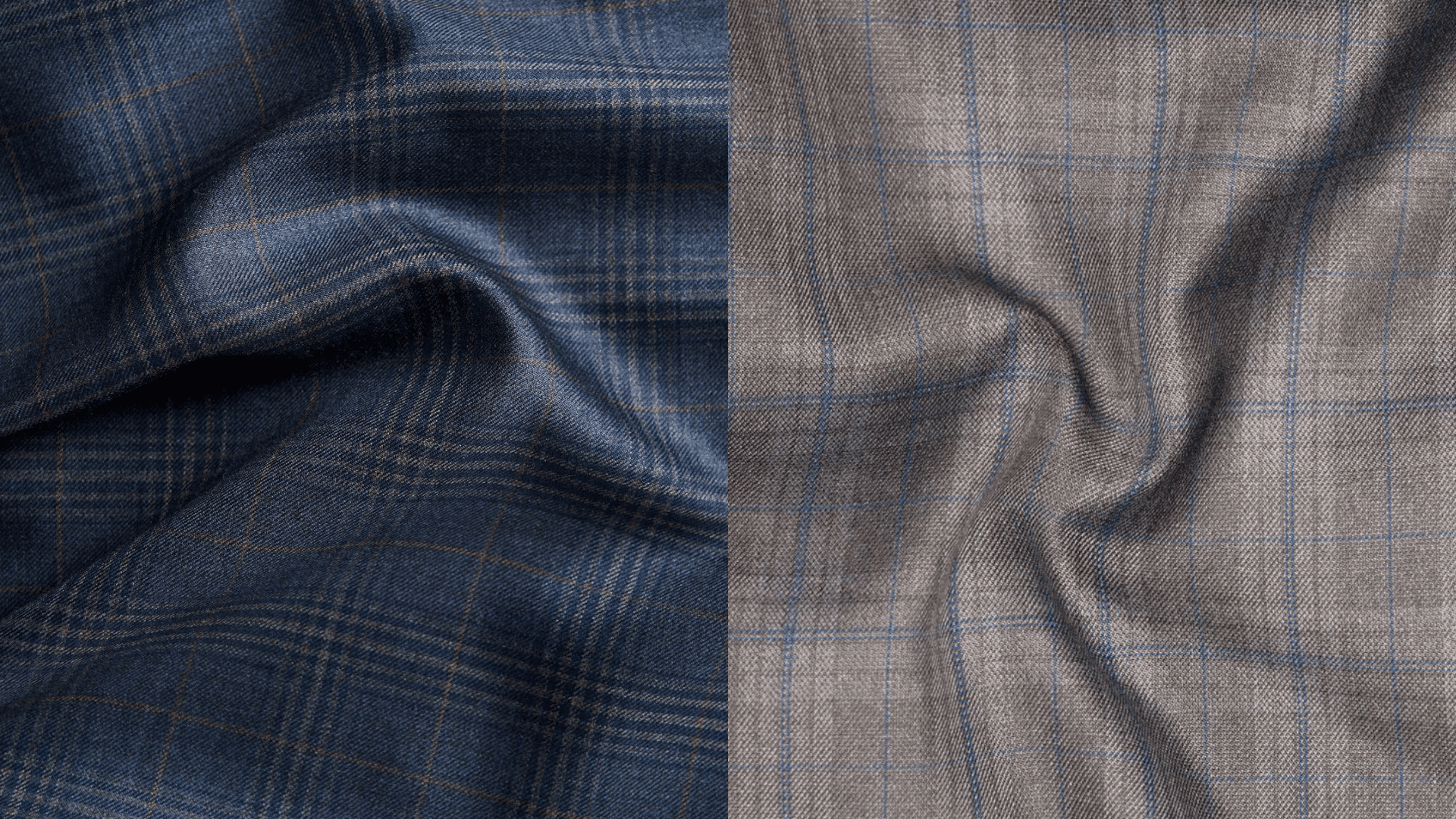
Worsted wool undergoes a specialized combing process that aligns fibers parallel to each other, removing shorter fibers and creating a smooth, flat yarn.
This processing method results in fabric with a crisp hand, less fuzz, and an appearance that holds creases well and resists pilling.
Worsted wool is the premium choice for tailored suits, dress trousers, and formal wear where a polished, professional look is required.
- Softness Level: Smooth and refined but firm
- Price Range: Mid to high ($150-$600+ per suit)
- Durability: Excellent durability; resists wear and pilling
16. Woolen Wool
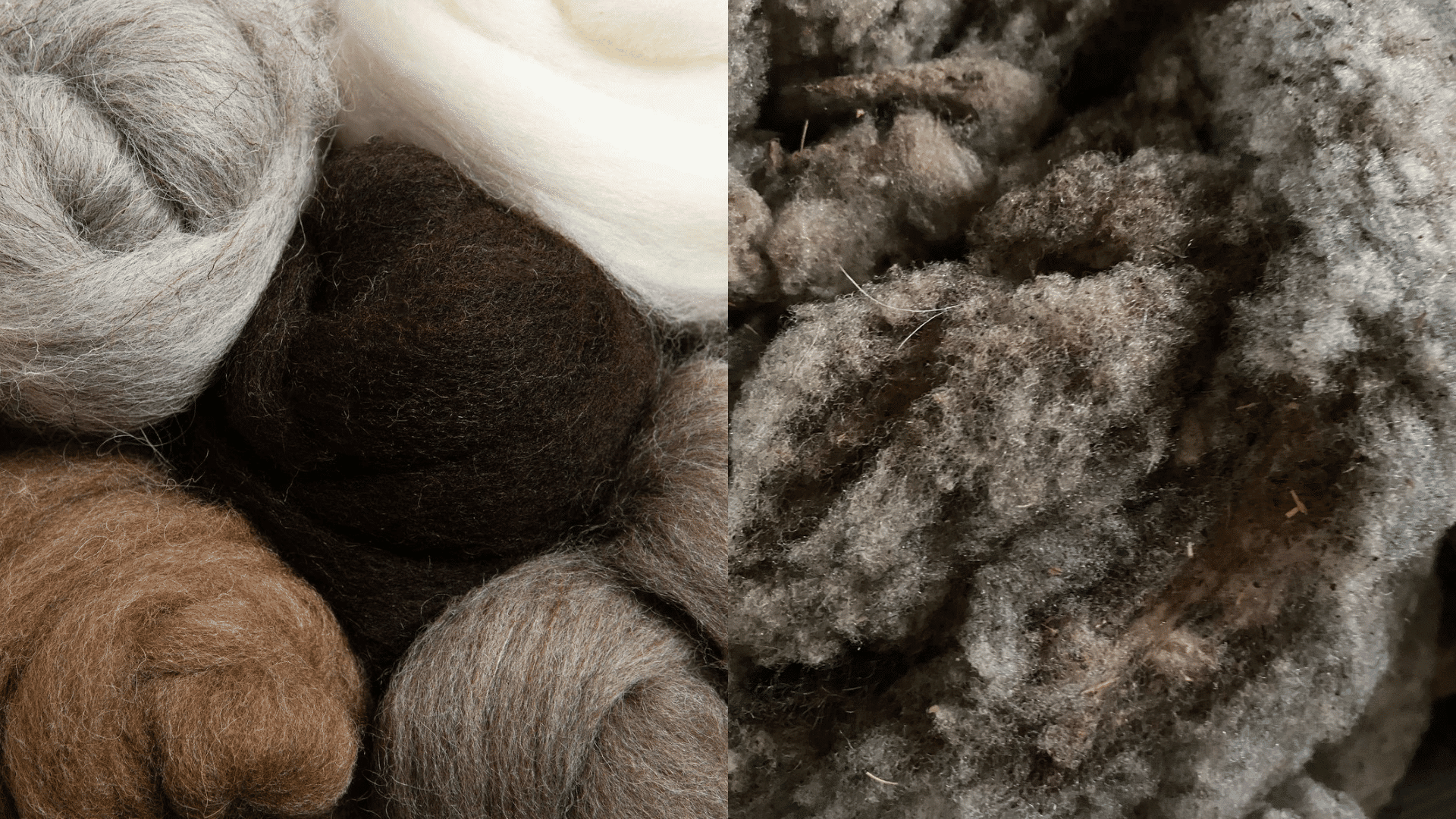
Unlike worsted, woolen wool is carded rather than combed, leaving fibers oriented in multiple directions, which creates a fuzzy, loftier, and more insulating fabric.
This traditional processing method produces a warmer fabric with more bulk and texture, perfect for casual wear and cold-weather garments.
- Softness Level: Fuzzy and warm, but can be slightly coarse
- Price Range: Budget to mid ($50-$250 per garment)
- Durability: Durable but may pill more than worsted
17. Wool Tweed
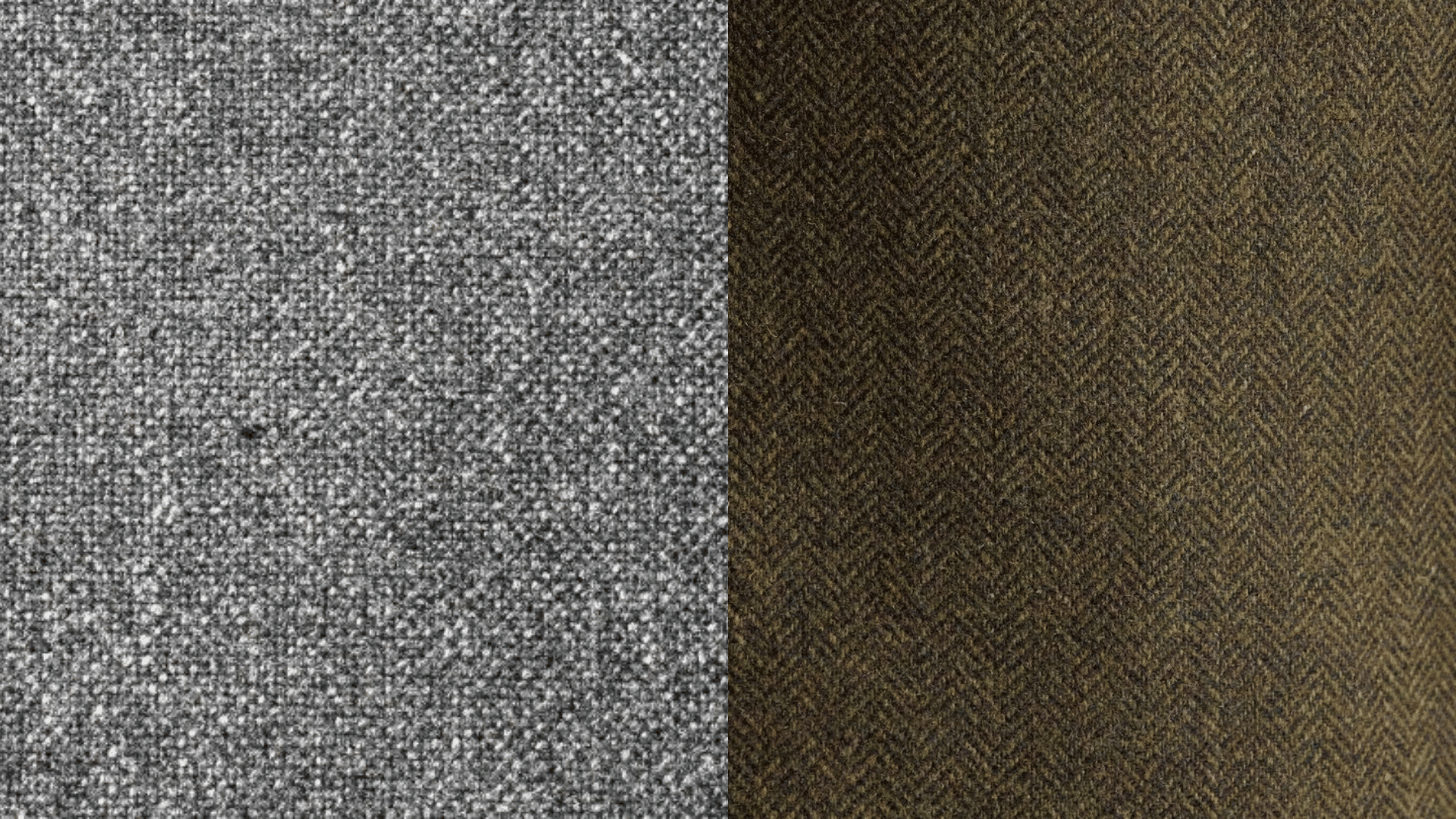
Tweed refers to rough-textured, woolen-spun fabrics traditionally made in Scotland and Ireland, featuring distinctive patterns like herringbone, houndstooth, or colorful flecks.
Famous varieties include Harris Tweed, Donegal Tweed, and Shetland Tweed, each with different characteristics. Tweed has a rustic charm that’s perfect for country jackets, blazers, caps, and skirts, though it often requires lining.
- Softness Level: Coarse and textured; not meant for softness
- Price Range: Mid-range ($150-$500 per jacket)
- Durability: Extremely durable and weather-resistant
18. Boiled Wool (Loden)
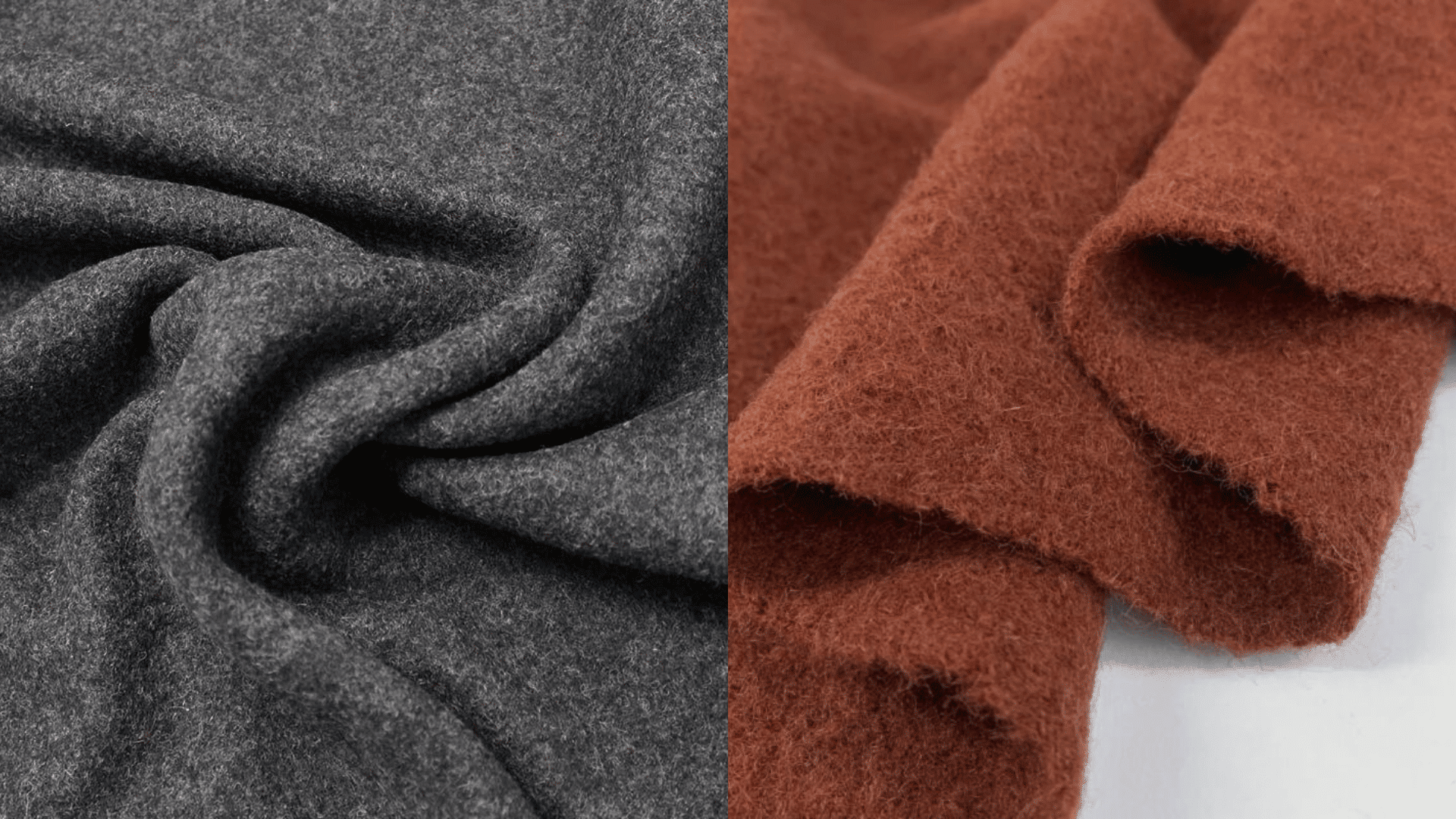
Boiled wool is created by knitting wool fabric and then aggressively washing and agitating it in hot water, causing it to felt and shrink into a dense, compact material.
This process creates a water-resistant, windproof fabric that’s warmer and more structured than regular knit wool. Also called “Loden” or “walk,” boiled wool is popular for jackets, coats, vests, and slippers.
- Softness Level: Dense and smooth but firm
- Price Range: Mid-range ($100-$400 per garment)
- Durability: Highly durable; resists wear and weather
19. Wool Felt
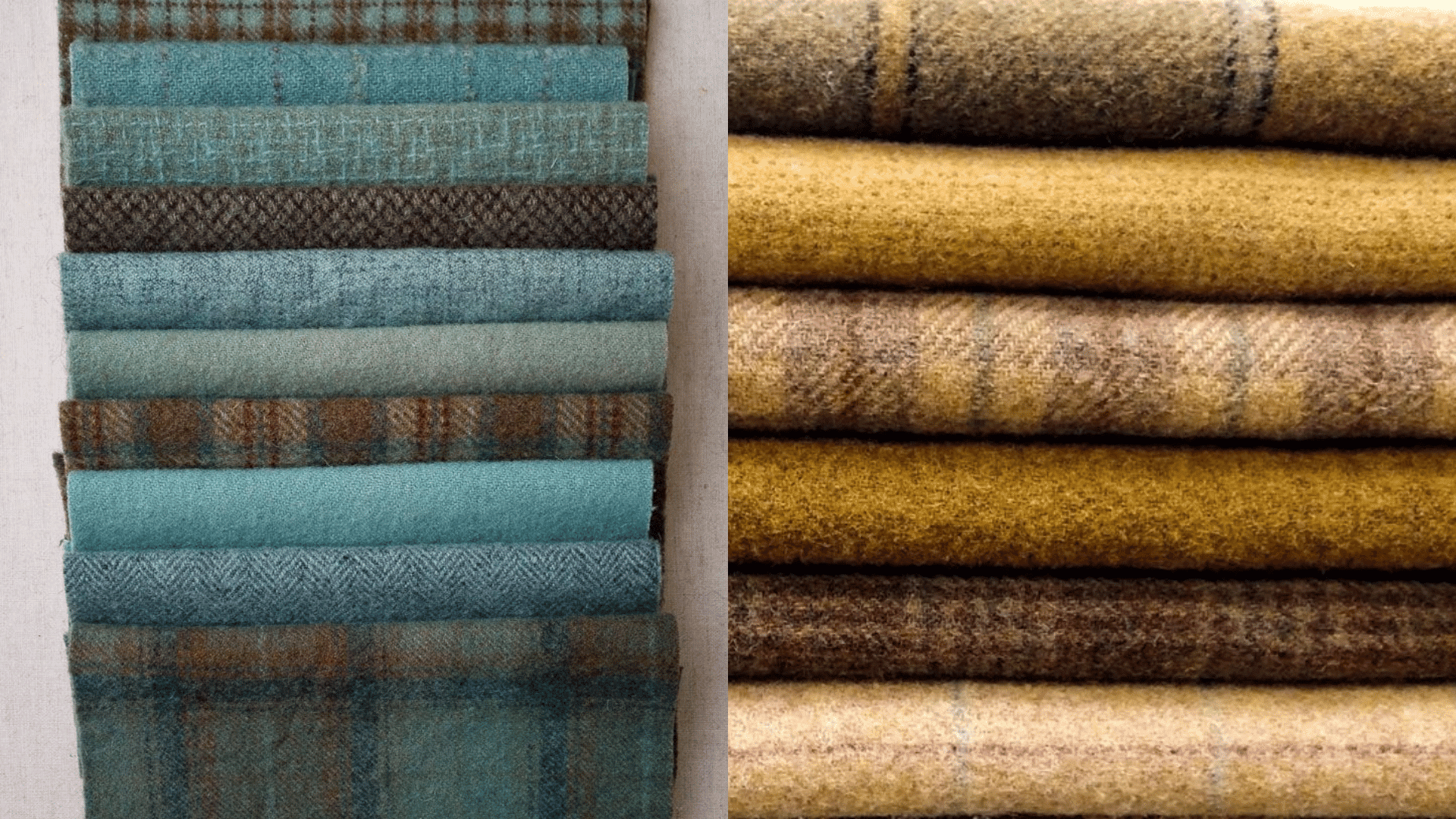
Wool felt is a non-woven fabric created by matting, condensing, and pressing wool fibers together using heat, moisture, and agitation. Unlike woven fabrics, felt has no grain and doesn’t fray when cut, making it ideal for crafts, hats, structured garments, and industrial applications.
Wool felt provides excellent insulation and sound absorption, can be molded into three-dimensional shapes when heated, and comes in various thicknesses.
- Softness Level: Dense and firm; not particularly soft
- Price Range: Budget-friendly ($20-$150 depending on use)
- Durability: Very durable; doesn’t unravel or fray
20. Melton Wool
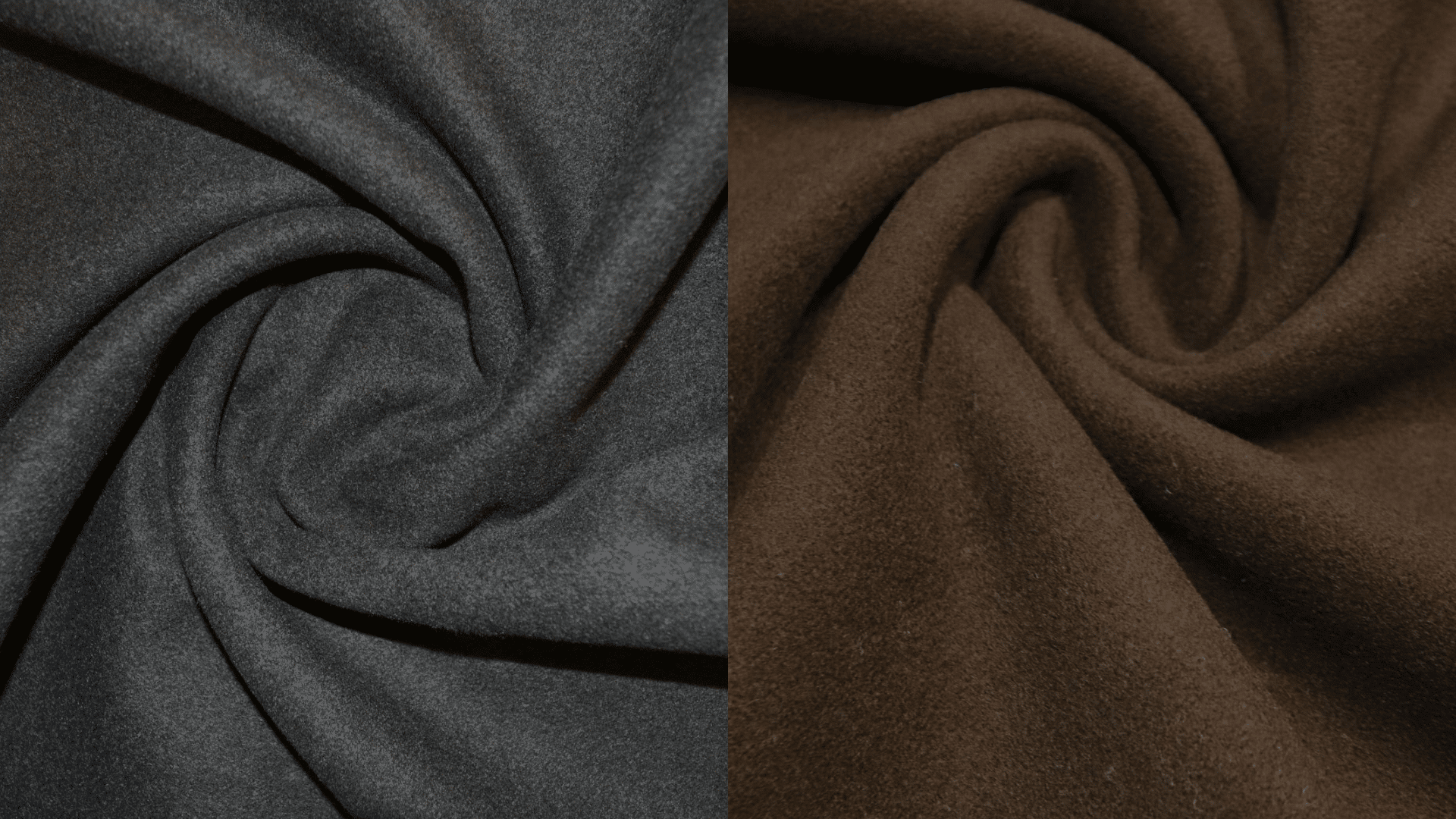
Melton is a heavyweight coating fabric with a tight twill weave that’s heavily fulled and felted, creating a smooth, felt-like surface that’s almost impenetrable. This dense wool is known for exceptional warmth, wind resistance, and longevity.
Melton wool has minimal surface fuzz, doesn’t pill, and holds its shape extremely well, making it the best choice for heavy winter coats and garments requiring maximum protection.
- Softness Level: Dense and compact; prioritizes function over softness
- Price Range: Mid to high ($200-$700 per coat)
- Durability: Virtually indestructible; lasts decades
21. Tropical Wool
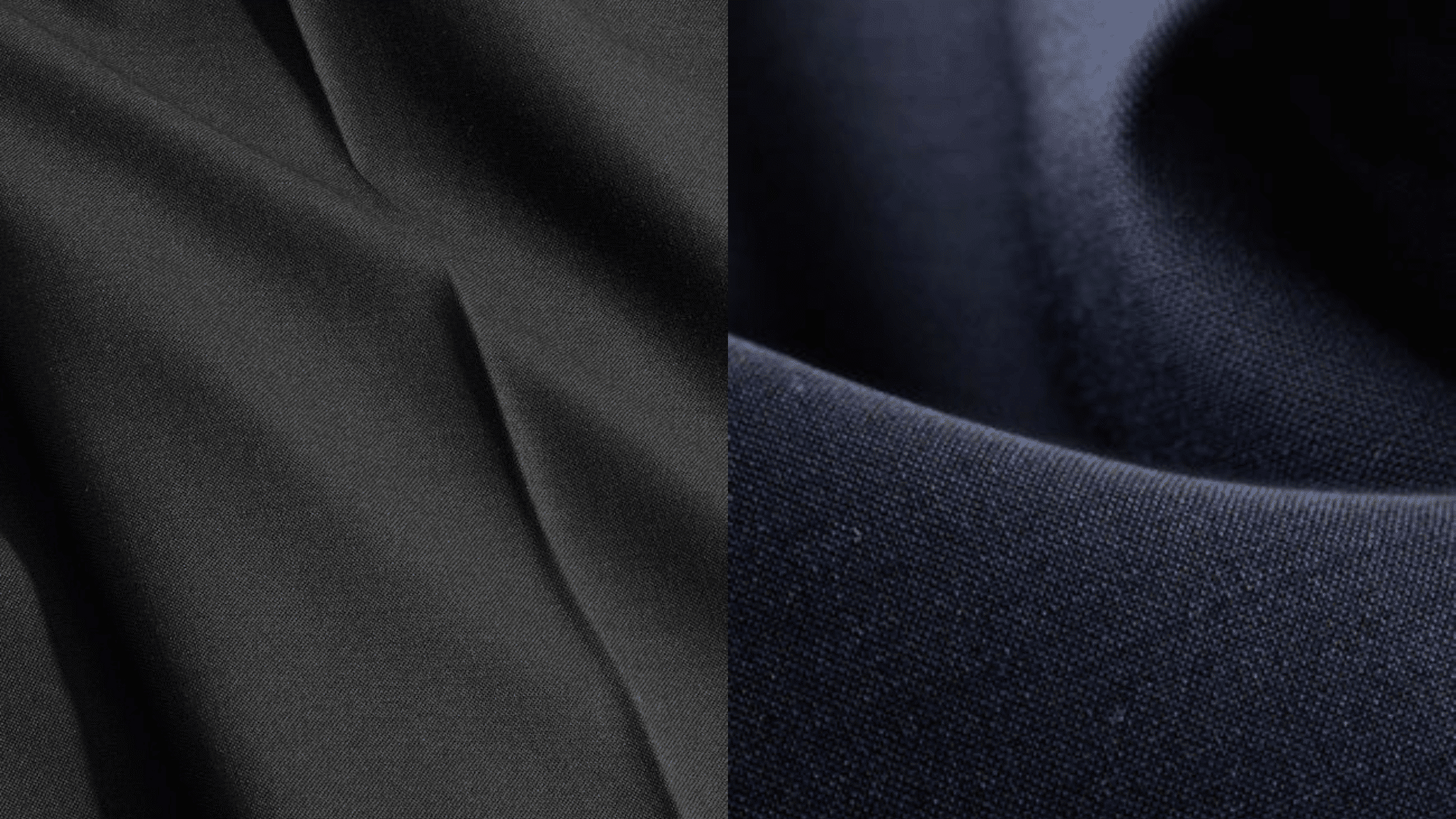
Despite its name, tropical wool is still made from sheep, but it’s woven in a looser, more open structure that’s lightweight and breathable for warm climates. This worsted-spun fabric maintains wool’s natural benefits while being suitable for summer suits and warm-weather formalwear.
Tropical wool dries quickly, doesn’t cling to the body, and provides surprising comfort in hot conditions.
- Softness Level: Smooth and comfortable against skin
- Price Range: Mid-range ($150-$500 per suit)
- Durability: Durable but lighter weight means less robust than heavier wools
Choosing the Right Type of Wool
Selecting appropriate wool depends on factors of intended use, budget, and personal comfort preferences.
Fine types of wool like merino work best for garments worn close to the skin, while coarser varieties suit outerwear and upholstery.
Climate considerations matter too, since some wools insulate better than others. Budget-conscious people might opt for lambswool or standard sheep’s wool, and those seeking luxury can see cashmere.
Texture sensitivity plays a role as well, because not everyone tolerates the same fiber against their skin.
Testing different types of wool through small purchases helps decide which varieties deliver the right balance of performance and comfort.
Caring for Wool Garments the Right Way
Proper care extends the life of wool garments and maintains their appearance and performance. Different types of wool may require slightly different approaches, but these fundamental guidelines apply to most wool items.
- Hand Washing: Use cool water and gentle wool-specific detergent to avoid shrinkage and fiber damage
- Avoid Wringing: Gently press out excess water instead of twisting, which can distort the fabric structure
- Flat Drying: Lay garments on a clean towel away from direct heat or sunlight to maintain shape
- Steam Refreshing: Use a steamer or hang in a steamy bathroom to remove wrinkles and odors between washes
- Proper Storage: Keep wool items folded in breathable containers with cedar or lavender to deter moths
- Minimal Washing: Wool’s natural odor resistance means most pieces need washing far less frequently than cotton
The Bottom Line
Understanding the differences between various types of wool changes how people build their wardrobes.
Each fiber type brings distinct qualities to garments, from the softness of merino in base layers to the luxurious drape of cashmere in evening wear.
Knowing these distinctions helps people invest in pieces that actually deliver on comfort, durability, and style.
Try different types of wool by visiting local boutiques to feel the textures and find which varieties align best with your practical needs!