
When you run your fingers across a sweater, something feels different. Some fabrics wrap you in everyday warmth, while others whisper luxury against your skin.
Wool and cashmere share natural origins but offer entirely different experiences.
One shows up in closets everywhere, while the other commands premium prices and devoted fans. What creates this dramatic divide, and which one truly deserves your attention?
What Makes Wool a Wardrobe Staple?
Wool is a natural fiber harvested from sheep through annual shearing.
Unlike synthetic materials, it comes from the fleece that grows on sheep throughout the year. The shearing process is important for the animal’s health and comfort, making wool a renewable resource.
The most common types include regular sheep’s wool and merino wool. Merino comes from Merino sheep, primarily raised in Australia and New Zealand. It’s prized for being softer and finer than standard wool.
This makes it popular for sweaters, scarves, suits, and winter accessories. When comparing wool vs cashmere, understanding these basics helps people make informed decisions about quality and value.
Why is Cashmere known as a Luxury Fiber?
Cashmere comes from the soft undercoat of cashmere goats, primarily found in Mongolia, China, and the Kashmir region.
Unlike wool from sheep, cashmere must be hand-combed during the spring molting season. Each goat produces only 150-200 grams annually.
This scarcity drives cashmere’s premium price tag. It takes the fiber from two to four goats to create a single sweater.
The labor-intensive collection process and limited supply make cashmere one of fashion’s most coveted materials. Its ultra-fine fibers create that signature buttery texture.
For people weighing wool vs cashmere, this exclusivity and unmatched softness justify the investment.
The Key Differences
Choosing between wool and cashmere comes down to how you prioritize softness, warmth, durability, and overall luxury feel. Both natural fibers offer comfort, but they perform differently in everyday wear and high-end fashion.
| FEATURE | WOOL | CASHMERE |
|---|---|---|
| Texture Consistency | Ranges from coarse to soft depending on type | Consistently ultra-soft due to fine fibers |
| Weight-to-Warmth Ratio | Heavier insulation | Lightweight with high thermal efficiency |
| Breathability | Excellent for temperature regulation | Warm but less breathable |
| Durability | Strong and resilient for frequent wear | Delicate fibers require careful handling |
| Maintenance | Easier to clean and store | Often needs hand-washing or dry cleaning |
| Price Range | Generally affordable and widely available | High cost due to limited supply |
| Ideal Use | Everyday garments and structured pieces | Premium knitwear and comfort-focused items |
Choosing between Wool vs Cashmere
Choosing between wool and cashmere depends on lifestyle, budget, and intended use. Understanding these use cases helps people invest wisely.
The right choice between wool vs cashmere comes down to matching fiber properties with personal needs and wearing patterns.
When to Choose Cashmere?
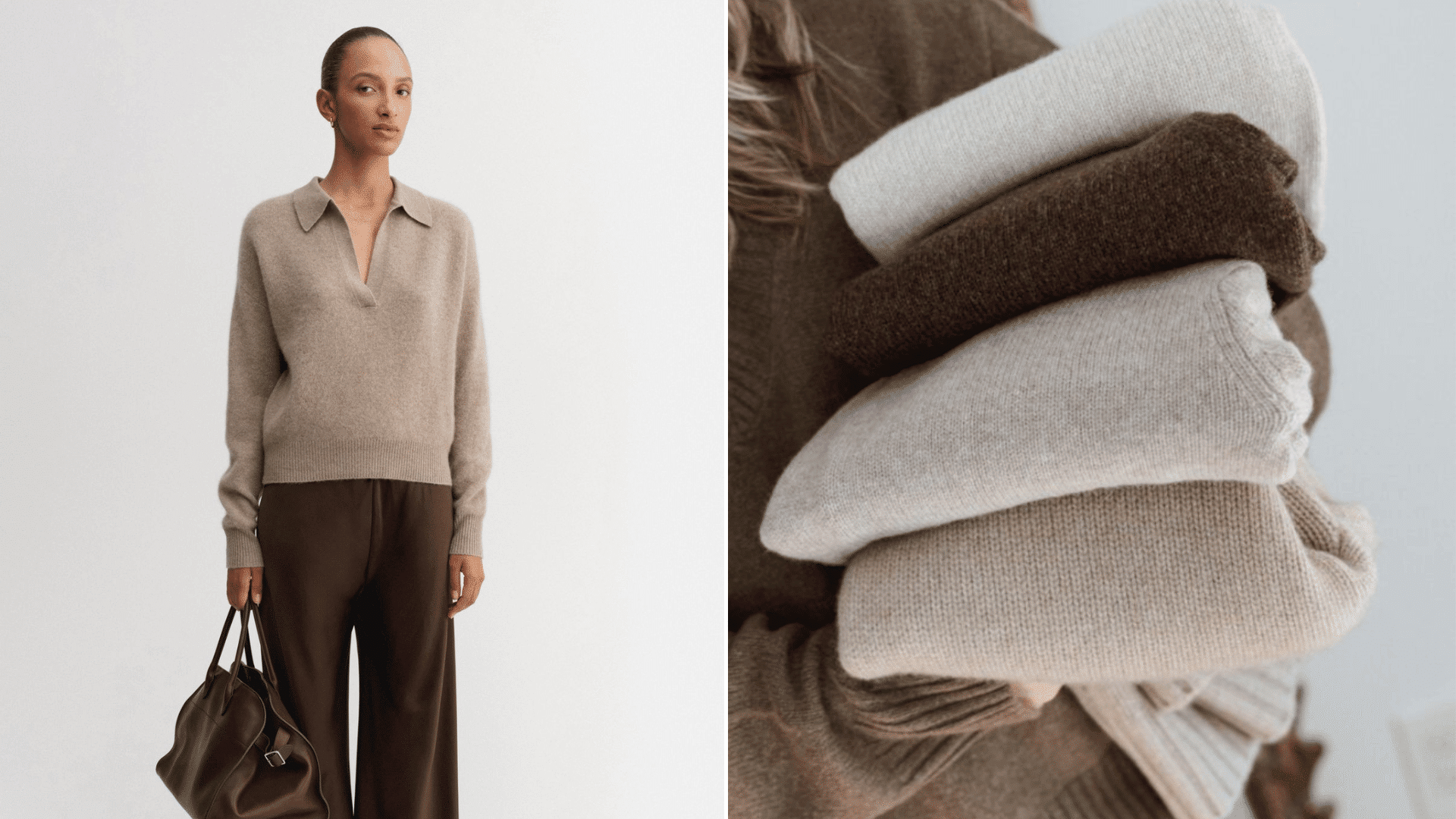
Cashmere makes sense for people prioritizing a luxury feel and special-occasion wear. These investment pieces shine in situations where ultimate softness and gracematter most.
- Prioritizing softness and luxury feel: Cashmere’s buttery texture against skin creates unmatched comfort for those who value premium materials.
- Needing maximum warmth: The fine fibers provide 7-8 times more warmth than wool while maintaining a lightweight, graceful silhouette.
- Buying for formal or special occasions: Cashmere’s drape and luxurious appearance make it best for dressy events and important meetings.
- Having a budget for investment pieces: Quality cashmere starts around $200-300 for sweaters, requiring a financial commitment upfront.
- Purchasing low-frequency wear items:Occasional-use pieces justify cashmere’s light care needs and higher price point for maximum impact.
When to Choose Wool?
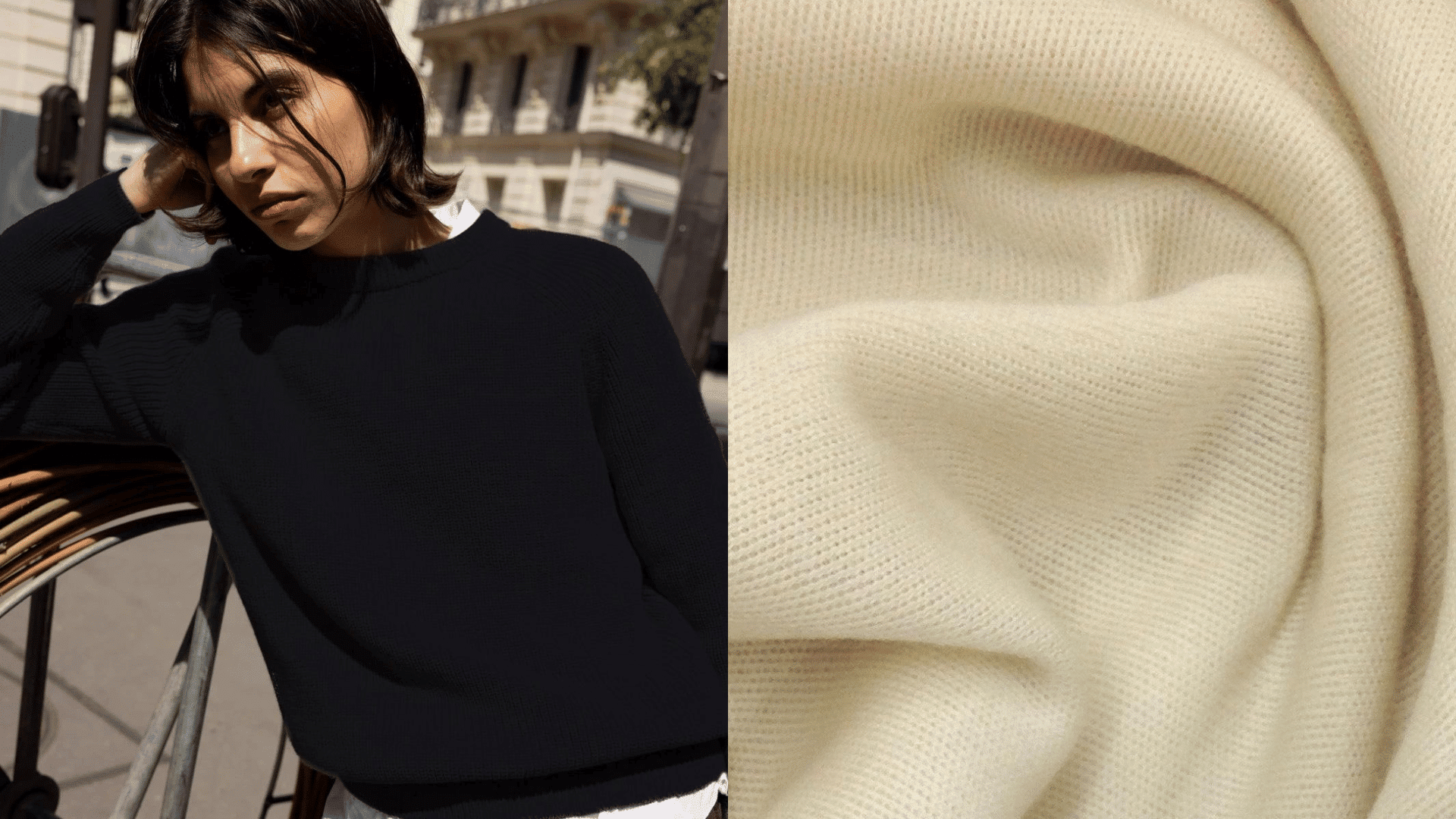
Wool suits practical people who need durable, flexible pieces for regular wear. This fiber excels when performance and easy maintenance outweigh luxury, with premium options offering better softness.
- Needing everyday durability: Wool’s stronger fibers withstand frequent wear, washing, and general life without losing shape or developing excessive pilling.
- Easier maintenance: Machine-washable options save time and money on dry cleaning bills while maintaining garment quality.
- Buying activewear or outdoor gear: Moisture-wicking and temperature regulation make wool best for hiking, running, skiing, and other physical activities.
- Preferring better value for money: Quality wool pieces cost $80-150, delivering excellent performance at more accessible price points than cashmere.
- Moisture-wicking performance: Natural lanolin and fiber structure actively pull sweat away from skin, keeping wearers comfortable during activity.
- Wanting flexibility, all-season pieces: Wool’s thermoregulating properties work year-round, providing warmth in winter and breathability in summer.
Wool and Cashmere Care and Maintenance
Proper care significantly impacts how long wool and cashmere garments last. Understanding these care requirements helps people make practical decisions.
| Care Aspect | Cashmere | Wool |
|---|---|---|
| Washing | Hand wash or dry clean only | Machine wash on gentle |
| Water temperature | Cold only | Cold or warm |
| Agitation tolerance | Very low | Moderate |
| Drying | Lay flat, reshape damp | Lay flat |
| Shrinkage risk | High with heat | Lower |
| Pilling care | Use a cashmere comb | Minimal |
| Washing frequency | Wash rarely, air out | Wash as needed |
| Maintenance level | High | Low |
Wool-Cashmere Blends
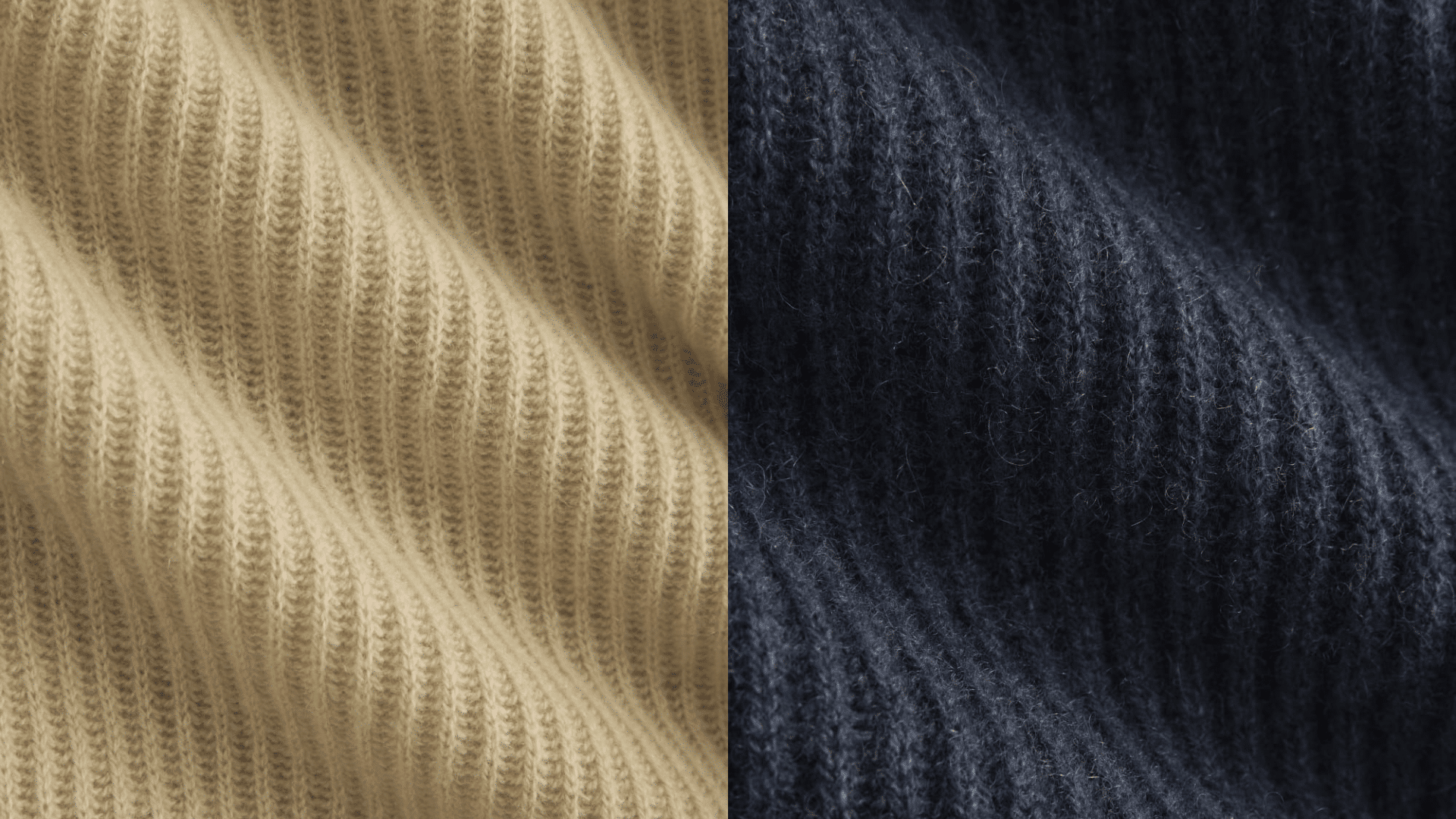
Wool-cashmere blends offer a middle ground between pure luxury and practical durability. Common ratios include 90/10, 80/20, or 70/30 wool-to-cashmere compositions.
These blends add softness and warmth without the hefty price tag of 100% cashmere.
The wool provides structure and resilience, while cashmere contributes that coveted soft feel. Blends resist pilling better than pure cashmere and require less careful maintenance.
They’re ideal for everyday luxury pieces like sweaters and scarves that need regular wear.
For people debating wool vs cashmere, blends deliver better comfort at reasonable prices. A quality 80/20 blend costs significantly less than pure cashmere while feeling noticeably softer than standard wool.
Wrapping It Up
The debate between wool and cashmere doesn’t have a definitive winner; it varies based on your lifestyle and what you value most.
Wool offers affordable, everyday durability while cashmere delivers luxury softness for special pieces.
Both deserve space in your closet; the real question is which fits your needs right now. Ready to decide? Feel the difference for yourself and let your fingers be the judge!