
Choosing between fabrics can feel overwhelming when both options seem equally appealing.
The cotton vs linen debate continues because these natural materials deliver remarkably different experiences. Cotton offers immediate softness and familiarity, while linen brings durability and breathability that improve over time.
The distinction matters because the right fabric affects comfort, longevity, and budget.
Understanding how linen vs cotton differ in texture, performance, and care requirements helps anyone make a confident decision.
Both fabrics have earned their reputation, but they serve different needs in different ways.
What is Cotton?
Cotton comes from the soft, fluffy fibers that grow around the seeds of cotton plants in the Gossypium genus.
These plants grow in warm climates and produce bolls that contain the white fibers used to create fabric. The harvested fibers get spun into yarn and then woven into textiles.
Cotton appears in everything from t-shirts and jeans to bed sheets and towels because of its flexibility and widespread availability.
Different varieties exist, including Egyptian cotton and Pima cotton, which feature longer fibers that create softer, more durable fabrics.
The material has dominated textile markets for generations due to its comfort and ease of production.
What is Linen and Why Is It Perfect for Summer?
Linen is a natural fabric made from flax plant fibers, prized for its durability and breathability.
This textile has been used for thousands of years, dating back to ancient Egypt. Linen fabric is known for its crisp texture, natural luster, and ability to keep wearers cool in warm weather.
It absorbs moisture well and dries quickly, making it ideal for summer clothing, bedding, and table linens. While linen wrinkles easily, this characteristic is often considered part of its relaxed charm.
The material becomes softer with each wash while maintaining its strength and longevity.
Cotton vs Linen
Soft or crisp, casual or cooling, cotton and linen each bring a distinct vibe. Here’s a quick snapshot of the features of Linen vs Cotton to help you choose smart and fast.
| Feature | Cotton | Linen |
|---|---|---|
| Feel | Soft, smooth | Crisp, textured |
| Breathability | Good | Excellent |
| Durability | Moderate | High |
| Best For | Everyday wear | Hot weather |
| Care | Easy | Wrinkles easily |
What to Choose Between Cotton and Linen?
Matching fabric to specific needs removes the guesswork and ensures satisfaction with the purchase.
Cotton and linen both offer natural comfort, yet they perform differently across various situations. Understanding when each fabric shines helps people make confident decisions rather than defaulting to familiar choices.
Choosing Cotton
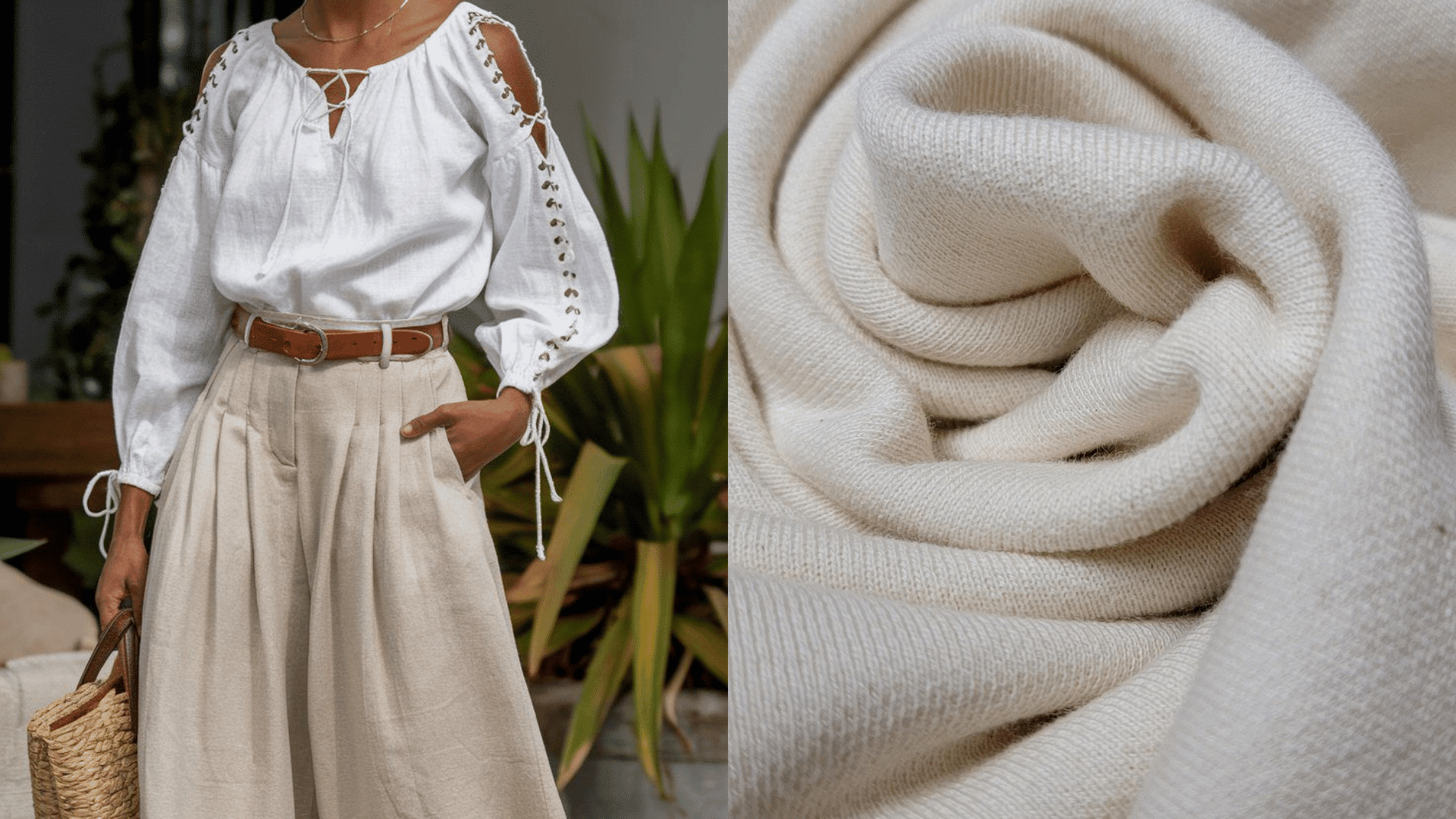
Cotton works best for specific situations where immediate comfort and practicality take priority.
- Budget Matters Most: Cotton costs significantly less upfront, making it accessible for those watching expenses or furnishing entire homes
- Immediate Softness Is Non-Negotiable: The fabric feels smooth and comfortable from day one without any break-in period
- Frequent Washing Is Expected: High-use items like kids’ bedding, kitchen towels, and workout clothes benefit from cotton’s easy-care nature
- Traditional Look Appeals: Cotton provides a smooth appearance that suits traditional and formal settings perfectly
- Cooler Climates Dominate: Cotton’s insulating properties work well in regions with mild to cold temperatures year-round
Choosing Linen
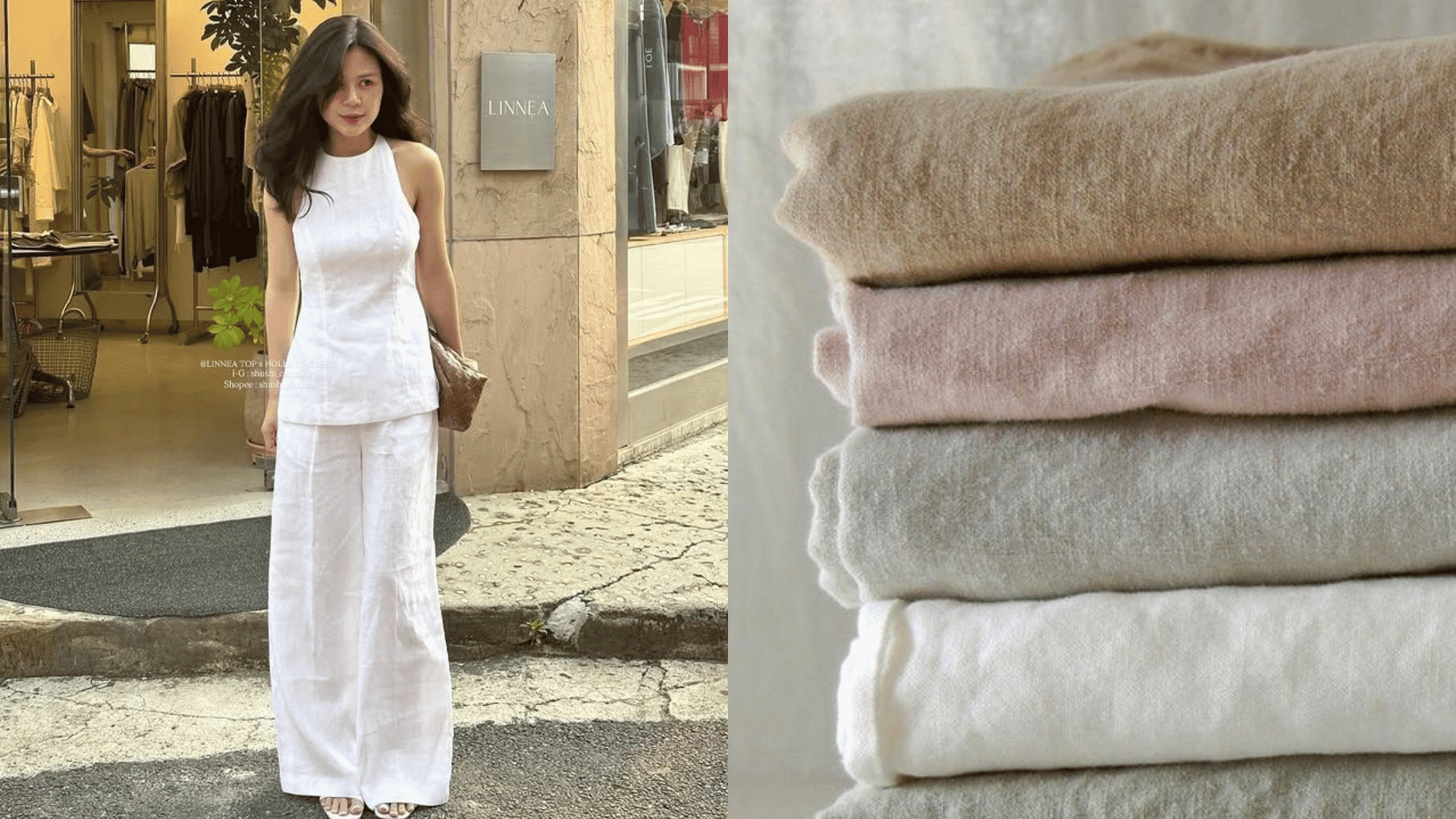
Linen shines in scenarios where performance, longevity, and specific environmental needs take precedence.
- Hot, Humid Climates Are the Norm: Linen’s superior breathability and moisture-wicking properties keep sleepers and wearers cooler than cotton
- Long-Term Investment Matters: The fabric lasts decades rather than years, making the higher initial cost worthwhile over time
- Sustainability is a Priority: Linen requires far less water and chemicals to produce, appealing to environmentally conscious buyers
- Natural Texture Appeals: The relaxed, lived-in look of linen suits casual, modern, and coastal looks beautiful
- Night Sweats or Hot Flashes Occur: Linen’s temperature regulation and quick-drying properties provide genuine relief for hot sleepers
Cotton-Linen Blends
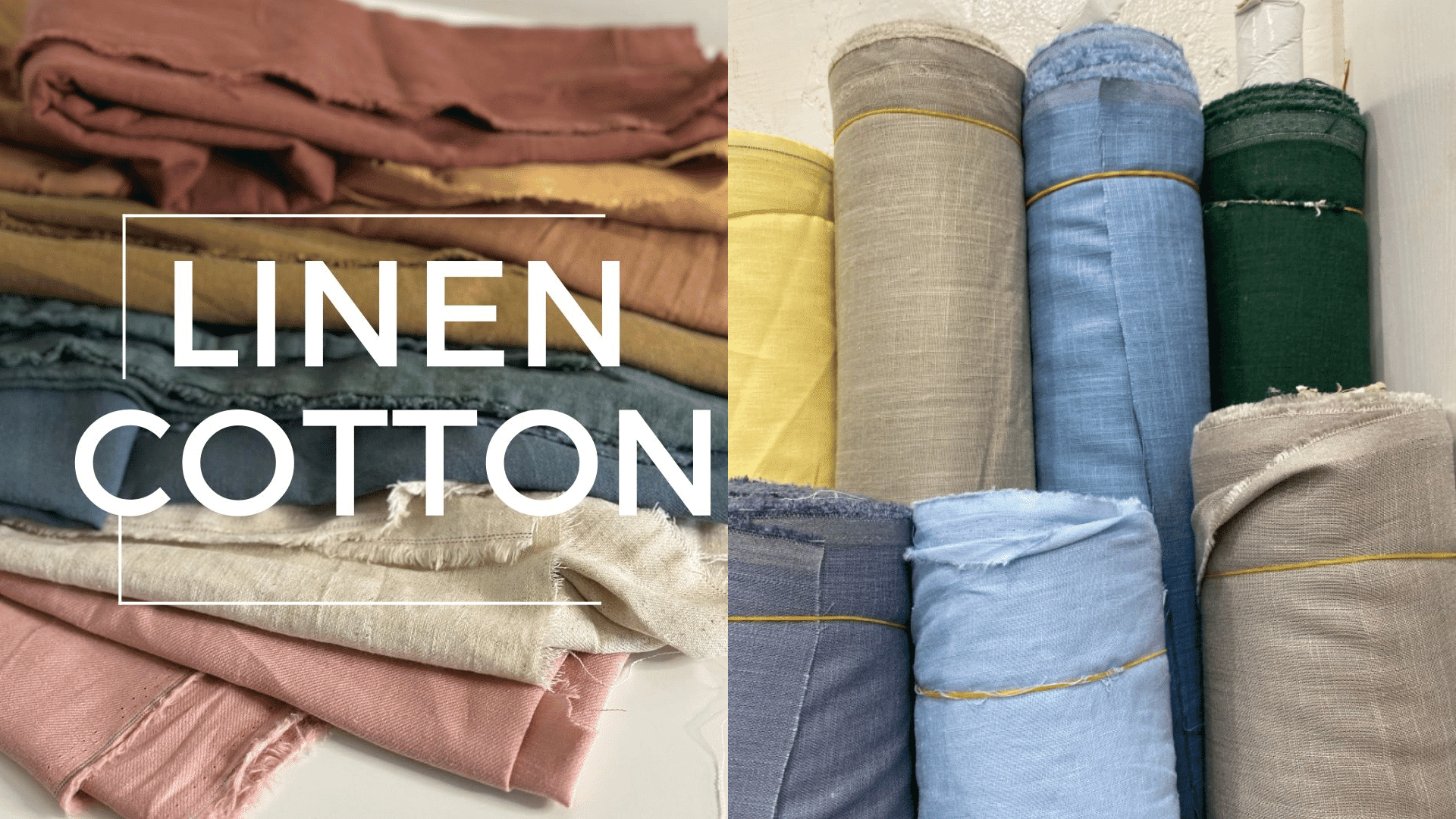
Blended fabrics combine cotton and linen fibers to balance the strengths of each material.
These blends typically contain 50-70% cotton mixed with 30-50% linen, creating a middle ground between the two fabrics.
The cotton adds immediate softness and reduces wrinkling, while linen contributes breathability and durability. Blends cost less than pure linen but offer better temperature regulation than pure cotton.
They work well for travelers who want wrinkle resistance without sacrificing breathability, or for those easing into linen’s texture.
However, blends compromise some benefits. They won’t develop the same luxurious softness that pure linen achieves over time, and they lack cotton’s easy-care simplicity.
Blends serve as practical compromises rather than optimal choices between cotton vs linen.
Care and Maintenance for Cotton and Linen
Proper care determines how long these natural fabrics maintain their best qualities.
Understanding these care requirements helps buyers make practical decisions. For those comparing cotton vs linen, maintenance effort matters as much as initial investment.
The right care routine preserves texture, appearance, and longevity, protecting these natural textiles through years of use.
Caring for Cotton
Cotton tolerates regular washing and general wear without special treatment. This strength makes it the go-to choice for high-use items that need frequent cleaning.
- Machine Washable with Standard Detergent: Cotton fibers handle regular washing cycles without breaking down, making laundry straightforward and convenient
- Warm to Hot Water Tolerance: Unlike delicate fabrics, cotton withstands higher temperatures and can be sanitized when needed without damage
- Shrinkage on First Wash: Expect cotton to shrink slightly during initial washing, so buying one size up or pre-washing before alterations prevents fit issues
- Tumble Drying Flexibility: Cotton can go in the dryer on medium heat, though removing items while slightly damp reduces wrinkles and extends fabric life
- Easy Ironing and Pressing: Cotton responds well to steam and heat, allowing crisp, smooth finishes for dress shirts and formal garments
- Minimal Special Requirements: Cotton needs no different products or techniques, making it the most user-friendly natural fabric for busy households
Caring for Linen
Linen demands gentler handling than cotton but becomes increasingly luxurious with proper care. These pieces develop character and softness that reward the extra attention.
- Gentle Cycle or Hand Washing Recommended: While linen tolerates machine washing, gentle cycles prevent unnecessary stress on the fibers and maintain fabric integrity
- Cold to Warm Water Preference: Hot water can weaken linen fibers over time, so cooler temperatures preserve strength and prevent excessive shrinkage
- Gets Softer with Each Wash: Unlike most fabrics that degrade, linen actually improves through washing cycles, becoming suppler and more comfortable over time
- Air Drying or Low Heat Only: High dryer heat damages linen’s natural structure, but line drying or low tumble settings keep fibers strong
- Accepts the Wrinkles or Steam Lightly: Linen’s natural tendency to wrinkle adds relaxed charm, though a quick steam removes creases for formal occasions
- Lower Washing Frequency Needed: Linen naturally resists odors and bacteria, requiring less frequent washing than cotton while staying fresh between cleanings
How to Identify Quality Cotton and Linen?
Spotting quality in cotton vs linen requires knowing what to look for beyond price tags.
High-quality cotton feels smooth and consistent, with long fibers that resist pilling and tearing. Egyptian and Pima cotton varieties indicate premium materials.
For linen, check the fiber length and origin. European flax from Belgium or France signals superior quality. Quality linen feels crisp yet substantial, not stiff or papery.
Both fabrics should have tight, even weaves without loose threads or thin spots. The weight matters too, as heavier fabrics generally last longer and perform better.
Labels mentioning certifications like GOTS or OEKO-TEX indicate tested standards for both materials, ensuring the fabric meets environmental and safety requirements.
Making the Right Choice
The cotton vs linen decision ultimately comes down to personal priorities and intended use.
Cotton delivers immediate comfort and affordability for everyday needs, while linen offers superior durability and breathability for long-term investment pieces.
Neither fabric ranks universally better because they excel in different areas.
Understanding these differences removes the guesswork. People can now match fabric properties to their specific lifestyle needs with confidence.
Ready to refresh a wardrobe? Consider which qualities matter most and choose accordingly.